Products
When selecting electric toothbrushes, brushing designs and processes are essential for clean performance and use experience. Copper-free and metal-leafing are the two current mainstream brushing fixes, with characteristics in terms of environmentality, safety, durability, etc. So what's the difference between the two processes? Which are more appropriate to your needs? This paper will provide you with a detailed analysis from several angles.
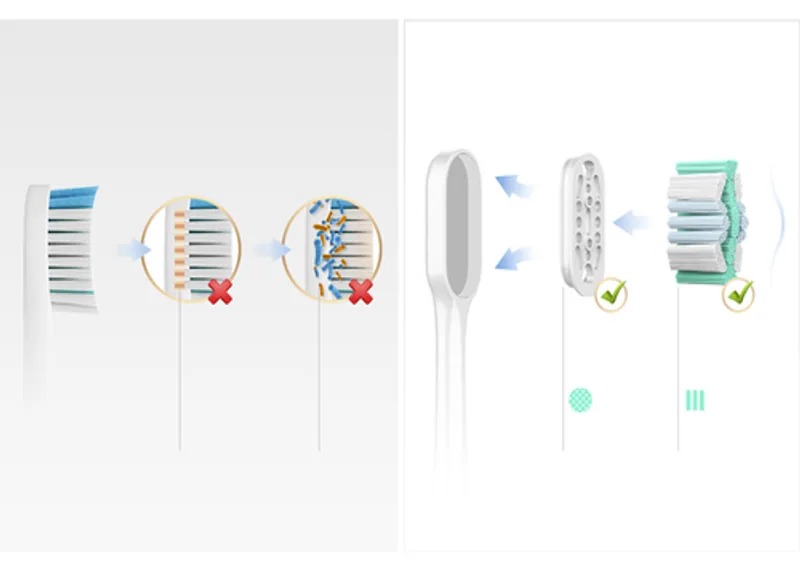
What is copperless and metal-skinned?
No copper-planting process
The process, unlike the traditional method, emphasizes environmental protection and safety:
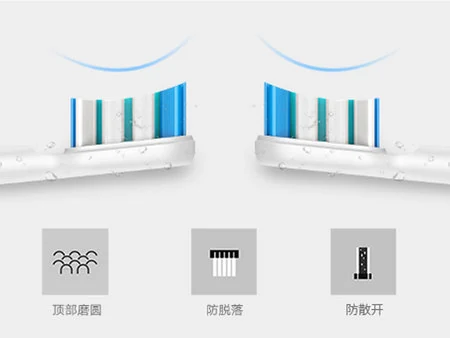
Environmental: The use of metal materials is avoided by the absence of copper-planted hair, which helps to reduce the consumption of metal resources and waste pollution, more in line with current trends in sustainable development.
SecuritySince brushes do not contain metal components, there is no need to worry about rust or falling of metals, especially for children and users with high sanitary requirements.
Technical complexityThis process requires sophisticated equipment and technology and is therefore applied mainly in high-end product markets.
Metal pelt ploughing process
The method is used widely and in a simple way:
Low cost: Manufacturing processes are mature, production is efficient, suitable for mass production and relatively low costs.
It's strong.Metal chips can provide a strong mechanical fixation to ensure that brushing remains stable after long periods of use.
Potential problems: because metals are exposed to wet environments, they may lead to oxidation or corrosion, leading to safety hazards, especially in high humidity or long-term use.
Bronzeless versus metal-splied strengths and weaknesses
1. Environmental: copper-free hair is more in line with the concept of sustainable development
Copper-free cultivation has completely removed its dependence on metals through technological innovation. Not only has it reduced the use of metal resources, but it also avoided potential pollution of the environment by metal waste.
In contrast, the production and recycling of sheeting, although mature, is more dependent on metal resources, which may have some environmental impact. This is not enough in the current market environment, where there is an increasing emphasis on environmental protection.
2. Safety: copper-free to provide greater user security
The absence of copper-free wool, due to the absence of metal involvement, has fundamentally eliminated the possibility of metal oxidation or fallout, especially for children, the elderly, or dentally sensitive users. This safety enhancement is not only reflected in the experience of use, but also reduces health problems in long-term use, such as avoiding the potential effects of metal tablet erosion on the mouth.
The metallic sheeting, although strong in its fixed strength, may oxidize the metal and cause rust or fall. This may create an alien feeling, even threatening the oral health of the user.
3. Durable: two processes each focus on
The technique makes copper-free especially suitable for users who need high-intensity cleaning, such as people who use their teeth frequently or with deep cleaning needs.
While the metallic slices also provide a strong fixed power, over time they may be less durable than copper-free processes, due to fatigue or oxidation, which may result in loose brushing.
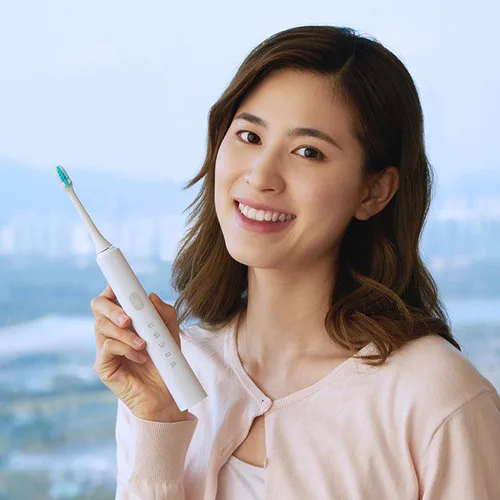
I'm not a hairless, electric toothbrush.
4. Manufacturing costs: metal chips are good for hair
High technology thresholds without copper-planting make their production cost higher, as is directly reflected in product prices. Thus, this process is usually used in high-end electric toothbrushes and is targeted at more quality-oriented consumers.
In contrast, the processes of metal ploughing are more cost-effective and suitable for large-scale production, making them more price-competitive and mainstream in popular markets.
5. User experience: meeting different user needs
A brush without copper is soft and more adhesive, providing a more comfortable clean experience, especially for tooth-tip sensitive users, which reduces the incentive significantly.
The metallic blades, on the other hand, can provide a strong cleaning capability with strong brushing power, but may cause some discomfort for more sensitive users of teeth and toothbrushes.
How do you choose the way you grow your own hair?
Consumers can choose the appropriate electric toothbrush brush process according to their actual needs:
-
If you are looking for environmental protection, safety and are willing to pay a premium for higher experience, copper-free hair would be a better option.
-
If you value value more than value or the environmental performance of your toothbrush is not high, the metallic slices of hair can meet your daily needs.
Aiwejay Technology: Your trusted partner in electric toothbrush
As a professional electric toothbrush manufacturer, Aiwejay technology is always demand-driven and dedicated to providing high quality electric toothbrush products to clients. We use the leading ones.The electric toothbrush is not culled with copper.Technology, which provides more environmentally friendly and safe headbrush solutions for clients while supporting traditional metal sheeting and flexible tailoring services for different markets.
If you're looking for a professional,Electric toothbrush producerOEM and ODM, Aiwejay technology will be your ideal choice! We look forward to working with you for a better future!
Related Reading
Electric Toothbrush Purchasing Guide
我们在接待客户时,品牌商和工厂采购电动牙刷,经常遇到的一些问题。有时候难以一下子说清楚,这里我整理一下指南,以供行业参考
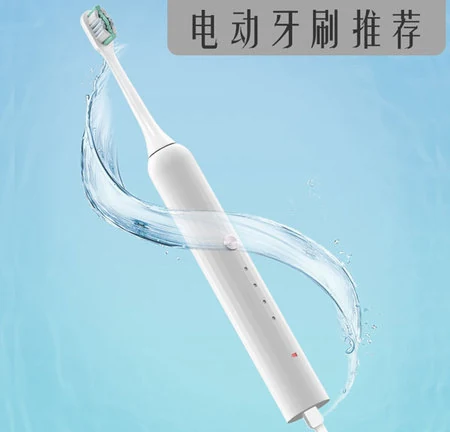
Choosing an Electric Toothbrush in 2021
进入2021年,很多人已经逐渐采用电动牙刷刷牙的方式。市场上的国产电动牙刷种类多,质量不一,选对电动牙刷很重要,那么如何
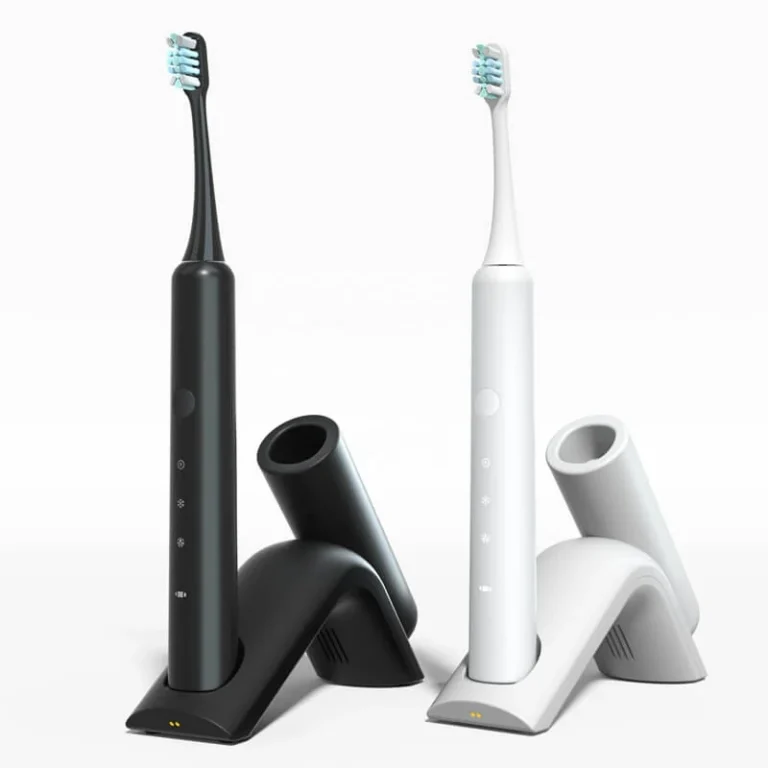
Helping Everyone Brush Correctly
我们希望电动牙刷进入到千家万户,让每个人都学会使用电动牙刷刷牙,让每个人都免受牙齿问题口腔问题的疼痛。
Detailed rounding rate for electric toothbrush: national standard regulation and selection guide
了解电动牙刷磨圆率的重要性及国家标准GB 39669-2020的规定,探索伟杰智能的电动牙刷,确保每次刷牙都温和有效,保
The difference between electric toothbrush and ordinary toothbrush is five main aspects.
电动牙刷和传统牙刷有哪些区别呢?电动牙刷对比手动牙刷有哪些优势?到底谁强谁弱,咱们从以下五方面来看看吧!一、电动牙刷和普