Products
When selecting electric toothbrushes, many consumers tend to ignore a key factor: the hardness of brushing. The effect of different hard-cut brushes on oral health is quite different, and choosing the right brush is essential for maintaining oral health. The choice between soft and hard hair is directly related to the cleanness of teeth and the health of the toothbrush.Analyses the advantages and disadvantages of soft and hard hair, which will help you make a more suitable choice.
I. Types and characteristics of electric toothbrush brushes
Before we know the difference between soft and hard hair, let's look at the type and material of electric toothbrush brushes. The brushes can be divided into soft, hard and medium hard hair. Each brush shows different functions and effects depending on its degree of hardness, design and application to the population.
1. Soft hair brush: gentle care
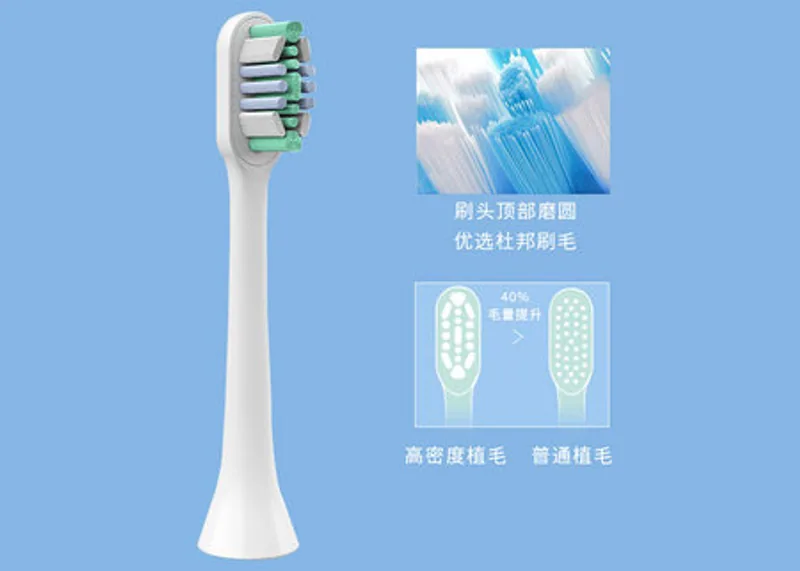
DuPont soft hair brushes.
Soft brushes are the most common type of brush in electric toothbrushes, which are characterized by soft brushes that can effectively bind the surface of teeth and the line of teeth and reduce the stimulation of mouths. Soft brushes are usually made from high-quality nylon materials, thinner hairs, and smooth surfaces of brushing. Most dental care brands offer soft-haired electric toothbrushes that are suitable for consumers who are sensitive to teeth or who use electric toothbrush first.
The virtue of soft hair brushing.
-
It's not a toothbreaker.The design of soft-haired brushes makes it less stimulating to brush teeth, suitable for people whose teeth are easily bleeding or sensitive to teeth. For users who have sustained bleeding and a retreating toothbrush, soft-hairing can provide mild cleaning without aggravating oral problems.
-
Reduction in dental wearSoft hair is less powerful when brushing teeth, and does not cause excessive wear or injury to the teeth. For thinner, vulnerable users, soft hair is an ideal option.
-
Fits to beginners and older personsPeople who use electric toothbrushes for the first time are often not well equipped to brush their teeth, and using soft hair can avoid excessive force causing dental damage. For older people, toothbrushes are also fragile, and soft hair provides safer brushing experiences.
-
The tooth cleans.: Although soft hair is less strong than hard hair, in daily care it is able to effectively remove most of the toothbrush and tooth surface stains and adapt them to the daily use of the general population.
The weakness of soft-brush brushes
-
The cleaning is relatively weak.For consumers with more accumulation of toothbrushes, soft brushes may feel weak. The relatively weak cleaning power of soft brushes is not effective in removing the stubbornness of teeth at the depths of their teeth, especially for people with inadequate oral care or easy to build teeth.
-
Less suitable for heavy smokers or coffee loversIf you are a heavy smoker or drink coffee often, the teeth are prone to colour change and soft hair may not provide enough cleaning power to remove these tectonic spots.
2. Hard hair brush: stronger cleaning power
Hard-brush brushes are an option in electric toothbrushes, which are more rigid and suitable for users who need deep cleaning. Hard-brush brushes usually use rough nylon materials and are designed to be strong clean, effectively removing the stubborn stains on the surface of teeth and on the stitches. For consumers who need a strong cleanness, hard-brushing is a good choice.
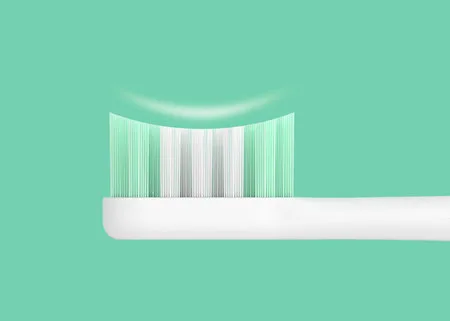
Hard hair brushes.
The virtue of a hard-brushing hair.
-
Deep cleaning.Hard hair brushes are much cleaner than soft hair, and can go deep into the teeth surface, removing stubborn toothbrush spots and toothbrushes. For users with more teeth on their surfaces, hard hair electric toothbrushes help to clean them better.
-
Fit for users with a dental health baseHard hair brushes are usually suited to the healthy and strong teeth of the tooth. For those whose teeth are less likely to bleed and whose teeth are stronger, hard hair provides better cleanness, especially in the rear-tooth region.
-
It's better to clean the teeth.Harder brushing of hair can effectively penetrate the gap in teeth, remove small food residues and toothbrushes, and be suitable for consumers whose teeth are more sewn or easily accumulated.
The vice of a hard-brush brush.
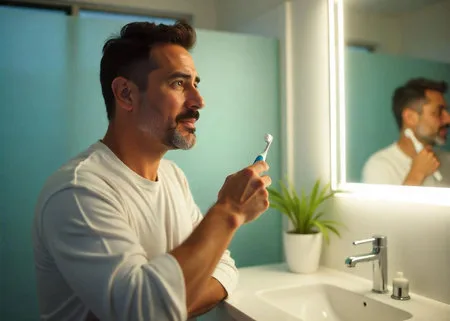
The weakness of a hard-brush brush can cause dental irritation.
-
It could cause dental irritation.: The use of hard hair can cause excessive friction and irritation to the toothbrush, causing bleeding or a contraction of the toothbrush. Especially among populations with sensitive or antiseptic teeth, the use of hard hair may cause discomfort or oral problems.
-
Not suitable for long-term use: The prolonged use of hard hair brushes may cause wear on the surface of the teeth, especially for people with thinly turbated teeth, and the long-term use of hard hair brushes can cause wear and sensitivity to the teeth.
-
Not for dental patients.The excessive force of brushing teeth can exacerbate inflammation, or even accelerate the withdrawal of the tooth.
How can you choose to brush your own electric toothbrush?
The following are some of the suggestions for reference when selecting an electric toothbrush:
1. Dental health
If you have a toothbrush that is healthy, strong and sensitive, you can choose a hard-brush brush. It provides a much stronger cleanness, helps you to remove the toothbrush and bacteria, and keeps your mouth clean. If you have a toothbrush sensitivity or a frequent haemorrhage, then a soft-brush brush is more suitable for you, and it cleans your teeth while protecting the toothbrush.
2. History of oral diseases
For users with dental problems (e.g., tooth infection, turboitis), it is recommended to choose soft hair brushes. Hard hair brushes can exacerbate dental inflammation, leading to increased pain or more severe oral problems.
3. Individual cleaning needs
If you have more toothpaste or food residue, or if you like to drink coffee or smoke, which can lead to a change of color, then the hard-brush brush may be more effective in removing stains and toothpaste. For users with low daily cleaning needs, soft-brushing is more appropriate.
III. CONCLUSIONS
When selecting electric toothbrushes, the hardness of brushing is an important factor in the effect of cleaning and oral health. Soft hair is suitable for dental sensitivity, beginners or lighter-earthed users, providing moderate protection; hard hair is appropriate for a healthy mouth user, providing better cleanness, but attention needs to be paid to the potential harm to teeth from long-term use.
In order to ensure your dental health, we suggest that you change your toothbrush head regularly and maintain good oral care habits.
As a professional.Electric toothbrush production,Aiwejay TechnologyYou are committed to providing quality electric toothbrush products for your clients.Customizing electric toothbrushesWe will provide one-stop solutions to your needs, ensuring that your products meet the highest standards.
Related Reading

Electric Toothbrush Purchasing Guide
我们在接待客户时,品牌商和工厂采购电动牙刷,经常遇到的一些问题。有时候难以一下子说清楚,这里我整理一下指南,以供行业参考
Choosing an Electric Toothbrush in 2021
进入2021年,很多人已经逐渐采用电动牙刷刷牙的方式。市场上的国产电动牙刷种类多,质量不一,选对电动牙刷很重要,那么如何
Helping Everyone Brush Correctly
我们希望电动牙刷进入到千家万户,让每个人都学会使用电动牙刷刷牙,让每个人都免受牙齿问题口腔问题的疼痛。
Detailed rounding rate for electric toothbrush: national standard regulation and selection guide
了解电动牙刷磨圆率的重要性及国家标准GB 39669-2020的规定,探索伟杰智能的电动牙刷,确保每次刷牙都温和有效,保
The difference between electric toothbrush and ordinary toothbrush is five main aspects.
电动牙刷和传统牙刷有哪些区别呢?电动牙刷对比手动牙刷有哪些优势?到底谁强谁弱,咱们从以下五方面来看看吧!一、电动牙刷和普