Products
Summary
The traditional electric toothbrush is much more noise, which can cause discomfort among users. To improve the problem, it's now a matter of time.Electric toothbrush designThis paper will present the innovative design of low-noise electric toothbrushes, which is designed to provide a quieter and more comfortable experience with toothbrushing.
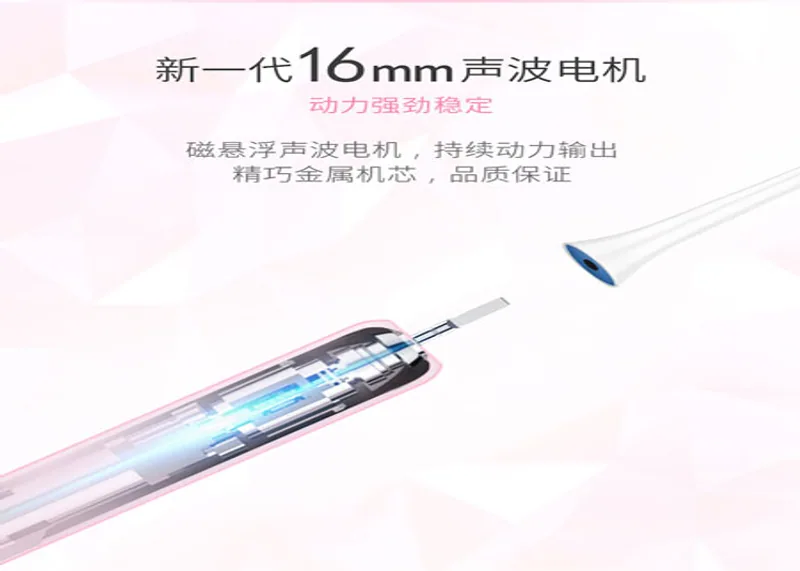
Aiwejay self-study low noise electric power
Introduction
Toothbrushing is an indispensable hygiene practice in everyday life, and the emergence of electric toothbrushes greatly facilitates people’s experience. However, many traditional electric toothbrushes are much more noise-intensive, which can interfere with users’ moods or even affect their use. To address this problem, low noise electric toothbrushes are born.
Innovative design of low-noise electric toothbrush
1. Efficient power plants
Low noise electric toothbrushes are usually used as high-efficiency generators that provide strong power while maintaining low noise characteristics.
2. Soundproofing design
Low noise electric toothbrushes usually have sound-separation designs between the electrician and brush to reduce vibrations and noise transmission, thus providing a quieter toothbrush experience.
3. Design for dental binding
Low noise electric toothbrushes are usually designed to fit teeth, which can better fit the surface of the teeth and provide better brushing, while also reducing the noise when brushing teeth.
4. Smart noise-mitigation technology
Low noise electric toothbrushes are usually equipped with smart noise-reduction techniques, allowing for automatic resizes of vibration and noise based on different use scenarios, providing more comfortable brushing experiences.
The advantage of low-noise electric toothbrushes.
1. A quieter brushing experience
The greatest advantage of low-noise electric toothbrushes is to provide a more quiet brush experience, without interfering with users and thus increasing the comfort of brushing teeth.
2. Power of high-efficiency power
The high-efficiency electric machines used for low-noise electric toothbrushes can provide stronger power and better clean the teeth surface, thus improving the wash-up effect.
3. Smartness of smart noise-mitigation technologies
Smart noise-reduction techniques for low-noise electric toothbrushes are intelligent and can automatically adjust the size of vibrations and noise, providing more comfortable tooth brushing experiences according to user habits and scenes.
How to choose low-noise electric toothbrush
1. Noise index for products of concern
When buying low noise electric toothbrush, care is taken about the product's noise index. Generally, the lower the noise index, the smaller the product's noise, the more comfortable it is to brush its teeth.
2. Focus on product dynamics and effects
In addition to the noise index, attention is paid to the power and effects of the product. A good low-noise electric toothbrush should have a strong motivation and a good brush to better meet users' needs.
3. Focus on product quality and branding
The quality and branding of low-noise electric toothbrushes are also important selection factors. Buying products from well-known brands not only ensures quality and performance, but also provides better after-sales services.
Conclusions
The innovative design of low noise electric toothbrush provides a quieter, comfortable experience with toothbrushes to meet users’ needs for toothbrushing. When choosing low noise toothbrushes, attention is paid to the power and effects of products, as well as to their quality and branding, in addition to product noise indices.
Related Reading

Electric Toothbrush Purchasing Guide
我们在接待客户时,品牌商和工厂采购电动牙刷,经常遇到的一些问题。有时候难以一下子说清楚,这里我整理一下指南,以供行业参考
Choosing an Electric Toothbrush in 2021
进入2021年,很多人已经逐渐采用电动牙刷刷牙的方式。市场上的国产电动牙刷种类多,质量不一,选对电动牙刷很重要,那么如何
Helping Everyone Brush Correctly
我们希望电动牙刷进入到千家万户,让每个人都学会使用电动牙刷刷牙,让每个人都免受牙齿问题口腔问题的疼痛。
Detailed rounding rate for electric toothbrush: national standard regulation and selection guide
了解电动牙刷磨圆率的重要性及国家标准GB 39669-2020的规定,探索伟杰智能的电动牙刷,确保每次刷牙都温和有效,保
The difference between electric toothbrush and ordinary toothbrush is five main aspects.
电动牙刷和传统牙刷有哪些区别呢?电动牙刷对比手动牙刷有哪些优势?到底谁强谁弱,咱们从以下五方面来看看吧!一、电动牙刷和普