Products
Introduction
As the market for electric toothbrush increases, more branders are choosing to enter the market quickly through electric toothbrush stickers. However, protection of brand intellectual property rights in industrial cooperation becomes a key issue.
Intellectual property risks in electric toothbrush stickers
1. Risk of technology patent disclosure
When the plant is exposed to core design options, it may be possible to replicate technology for other customers. For example, a brand-brander’s acoustic power structure has been patented as a practical new type of patent on behalf of the plant, which leads to subsequent difficulties in defending rights.
2. Appearance Design Infringe
When the design copyright is not expressly agreed upon, the substitute plant may offer the same mould to the competition. 2022 industry data show that 38% of the sticker dispute involves appearances.
3. Marks, bid-and-abuse.
Some overseas factories would be ahead of the local registration of brands, and typical cases show that a domestic brand is charged high trademark transfer fees for non-registration in South-East Asia.

Branding IP protection strategy
1. Contract terms and detailed design
Confidentiality Agreement (NDA): Clarify the scope of confidentiality of technical information and criteria for compensation for breach of contract
Intellectual property attribution clause: provides ownership of the product, such as a draft, a mould, to brands
Competition restrictions: prohibition of production of the same product for direct competition by factories
2. Patent layout first
Core technological innovation patenting (e.g., magnetic suspended power plant technology)
:: Appearance design completes registration in major sales countries
Covering the regions where the substitute plant is located through the PCT international patent system
3. Control of production processes
Phased delivery of technical documents to avoid one-time leakage of complete programmes
:: Establishment of a quality inspection officer to monitor production lines and prevent the private reproduction of moulds
Use block chain technology to record the transfer and modification of drafts
Legal risk prevention for working in a cooperative capacity
1. Select a compliance plant
Verification of ISO 13485 certification of the production of medical devices at the plant
:: Examine historical client cases and dispute records
:: Prioritize the selection of alternative enterprises with enterprise law teams
2. Dispute resolution mechanism
:: The contract expressly provides for the place of arbitration (recommended to select neutral areas such as Singapore)
:: The manner in which tort compensation is calculated (e.g. 300 per cent of the value of the order)
:: Retain clauses on the right to unilateral termination of cooperation
Success stories and industry practice
In a European dental care brand, in collaboration with Aiwejay technology, the following measures have been taken:
1. Limiting the service life of the molds to AINUM10000 Source figures: 5.
2. Requirement of installation of production monitoring systems at the plant on its behalf
3. Quarterly patent compliance audits commissioned by third parties
Ultimately, a three-year zero-violation dispute is achieved, while the production cost is reduced by 15 per cent.
Conclusions
In the context of electric toothbrushing, branders need to establish a three-way protection system for “contract + technology + law.” The choice of a professional and reliable substitute partner is crucial, for example, Waijian Smart Technology as an industry-led electric toothbrush factory, with not only 10 ODM/OEM experience, but also full-process intellectual property rights escorts from patent retrieval to abuse advocacy, and helping branders to reach markets safely.

FAQ:
Q: Electric toothbrush sticker.What technical documents are needed?
A: Product specifications, circuits, visual designs and test standards are usually required to be transmitted by encryption and to indicate a level of confidentiality.
Q: How can the same electric toothbrush be prevented from being sold for the benefit of the factory?
A: The solety clause could be included in the contract requiring the plant to undertake not to take competitive orders and to monitor violations through spot checks on the regular market.
Q: What patents do branders have to apply for?
A: It is recommended that priority be given to patenting visual design and practical new patents, and that core technological innovations be patented for inventions, forming a multi-level network of protection.
Q: What are the most easily neglected intellectual property provisions in alternative contracts?
A: Model destruction clauses (supervised destruction after termination of cooperation) and derivative technology attribution provisions (design improvement patent attributions) are often ignored.
Q: Does the price of electric toothbrush stickers include intellectual property services?
A: The Aiwejay Technology Institute provides basic IP protection services, with a deep patent layout usually requiring additional budget and proposes to set aside 3-5 per cent of the purchase order for IP management.
Related Reading
Electric Toothbrush OEM, ODM and OBM Models Compared | Aiwejay
探索电动牙刷OEM、ODM及OBM模式的优势和挑战。伟杰智能科技带您深入了解各模式背后的商业逻辑。
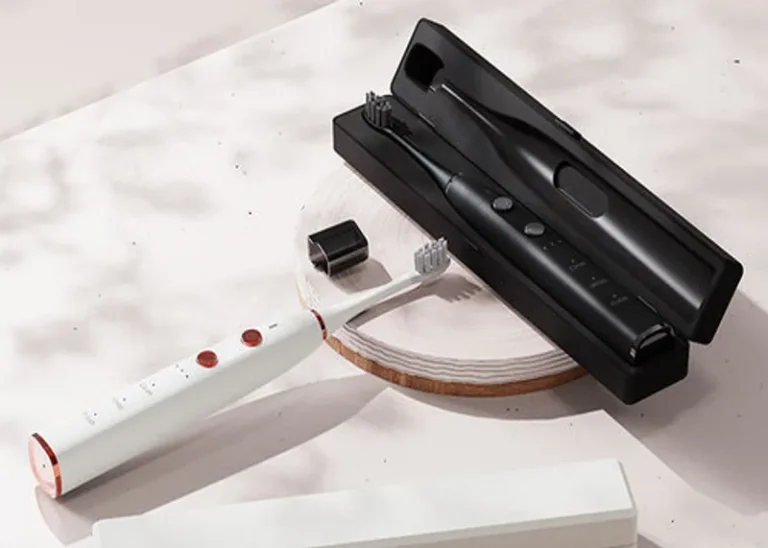
Small batch of electric toothbrush customized reduction programme: in-house decryption
引言在个性化消费崛起的今天,小批量电动牙刷定制需求激增,但高昂的生产成本常让品牌方望而却步。如何在不牺牲品质的前提下降低
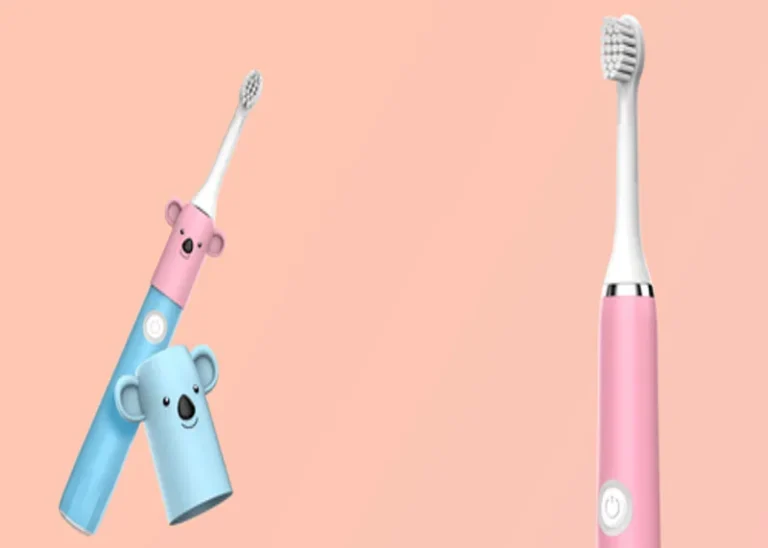
The working principles of electric toothbrush and its composition - the Aiwejay electric toothbrusher
每天早上起来刷牙是我们必须要做的事,所以牙刷我们生活中不可或缺的物品,每天用牙刷刷牙可以有效的清理我们自己牙齿上的臭气和
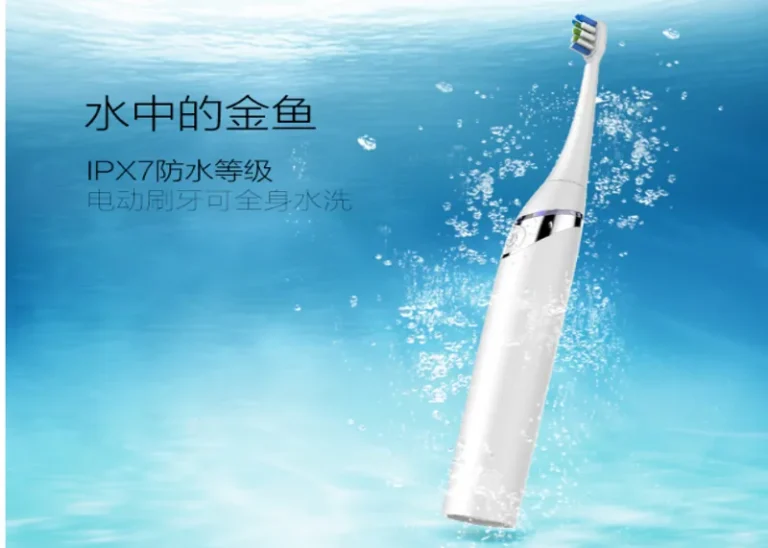
Aiwejay Electric Toothbrusher #8211; can electric toothbrush be waterproof?
多年以来电动牙刷已经走过了漫长的道路,现在电动牙刷使用声波技术,价格实惠,适合大多数人。牙齿可是身体最常用和最重要的部位
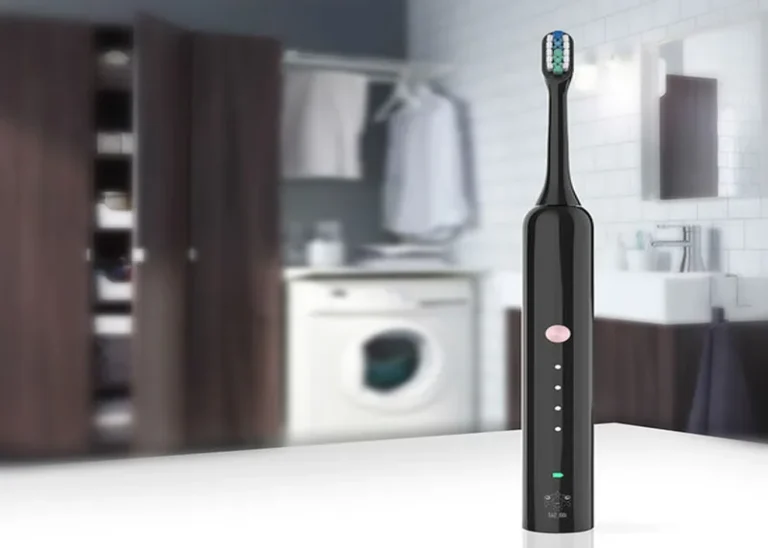
Characteristics of acoustic toothbrush - Aiwejay electric toothbrusher
电动牙刷厂家-伟杰智能为大家介绍一下声波电动牙刷都有哪些特点。声波电动牙刷具有UV刷头消毒剂,可有效刷牙。它由Sonic