Products
♪ WithElectric ToothbrushesAfter all, electric toothbrushes are an important tool for daily dental care, and if not properly cleaned, they can breed bacteria and affect oral health. So how can electric toothbrushes be cleaned? Today, we invite experts to share best clean-up techniques and help you to easily master the method of cleaning your toothbrush.
Why does an electric toothbrush have to be cleaned regularly?
The brushes of electric toothbrush are exposed directly to the mouth, and they are used daily with food residues, toothpaste foams and oral bacteria. If not cleaned in time, these residues may accumulate between brushes, which can become a hotbed for bacteria. The prolonged use of uncleaned electric toothbrushes not only affects cleaning effects but also threatens oral health.
So regular cleaning of electric toothbrushes is an important part of maintaining oral hygiene. We will then go into the details of the clean-up methods that experts share.
♪ The best techniques for cleaning 5 with electric toothbrushes
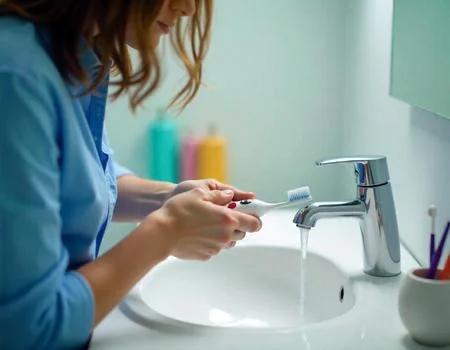
1. Washing hairs at each time of use
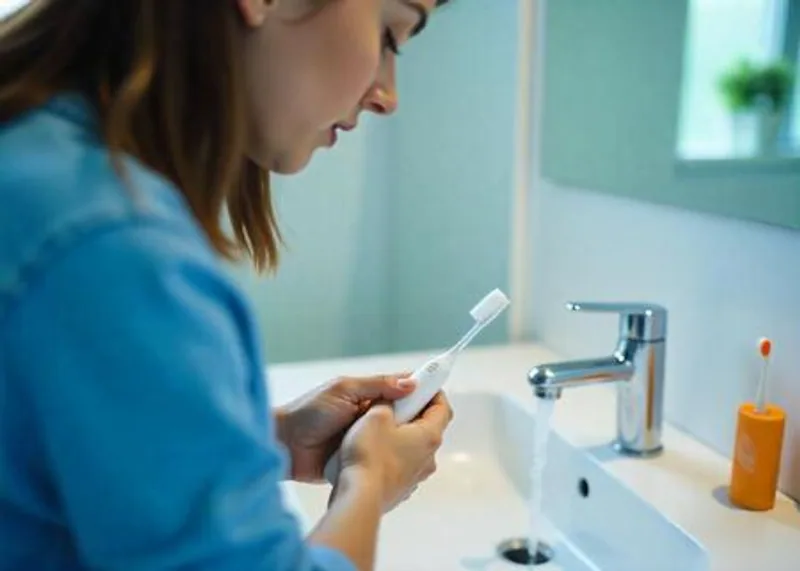
After each use of an electric toothbrush, it is recommended that the brush be washed completely with water. The brush head is placed under the tap, and at least 10 seconds with warm water is washed to ensure that the toothpaste between brushes and food residues are removed.
Note:
– Avoiding the use of hot water for washing, so as not to damage the brush material.
– Don’t shake your head so hard as not to affect the brushing arrangement.
2. Regular depth clean-up brushes
The following are the deep cleaning steps shared by experts:
1. The brush will be removed, immersed in hot water, with a small amount of mouthwash or white vinegar and set silent for 10-15 minutes.
2. Lightly brushes the brush with a soft toothbrush, especially between brushes.
3. Finally, wash with water and dry the spare.
PACKTER:
– White vinegar has a natural microbicide and can effectively remove bacteria.
– Avoid the use of bleach or strong acid cleaners to avoid damage to brushes.
Clean, electric toothbrush handle. Source figures: 3.
Many people are concerned with the cleaning of their brushes, but neglect the hygiene of their handles. Indeed, the handle is also a serious area for bacteria. The following steps are taken to clean the handles:
1. A small amount of alcohol or disinfectant is extracted from wet cloth and the handle surfaces are wiped.
2. To keep clean of handles and brushes and avoid mud accumulation.
3. Dry handles with dry cloth to ensure that there are no water residues.
Note:
– When cleaning handles, avoid entering recharge vents or internal circuits.
– If the handle is less waterproof, it is recommended that it be wiped with wet cloth.
4. Periodic change of brushes
Even if it is properly cleaned, the brush will wear and wear as the time of use increases. Source figures: 3.
How to judge whether a brush needs to be replaced:
– Shape deformation or fork.
– A faded paint (some brand brushes have colour tips).
– Feels less clean after use.
5. Proper storage of electric toothbrushes
The following are the best clean-up techniques for storage:
1. Puts brush head up and avoids brushing to the surface.
2. Select a place where the ventilation is good to keep, avoiding humid conditions.
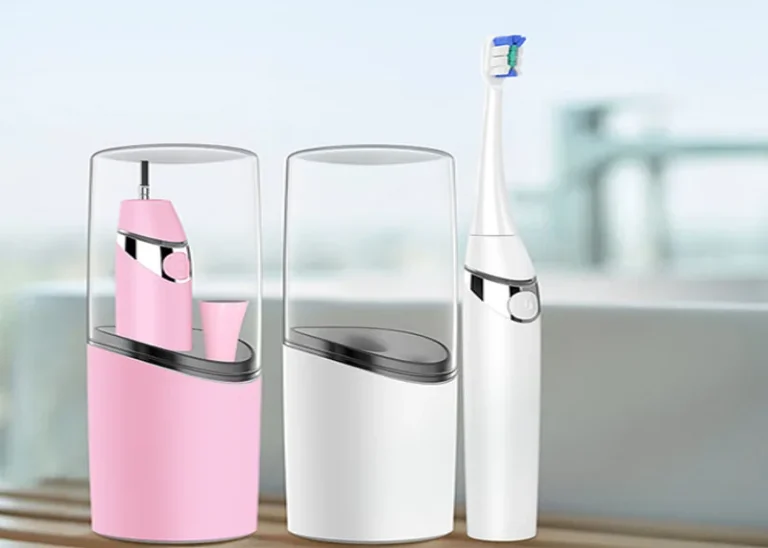
3. Use of specially designed toothbrush racks or box collections to prevent dust and bacterial contamination.
FAQ:
Q1: Why does electric toothbrush need regular cleaning?
A1: The brush of electric toothbrush is exposed to oral effects, and after daily use it leaves food residue, toothpaste foam, and mouth bacteria. If not cleaned in time, these residues may accumulate between brushes, becoming hotbeds for bacteria to breed, affecting cleaning effects and oral health.
Q2: How do you clean the brush of electric toothbrush correctly?
A2: After each use, wash your head thoroughly with fresh water for at least 10 seconds to ensure that toothpaste and food residue are removed. Source figures: 15.
Q3: How do you clean the handles of electric toothbrushes?
A3 : Wipe the handle surface with a small amount of alcohol or disinfectant in wet cloth, paying particular attention to cleaning the handles and brushing. After cleaning, dry handles are used to dry the handles to avoid water entering recharge vents or internal circuits.
Q4: How often do you need to replace the brush with an electric toothbrush?
A4: The experts recommend that the brush be replaced every 3 month. If the brush is deformed, forklifted, colour faded or the cleaning effect is reduced, it will also need to be replaced in a timely manner.
Q5: How can electric toothbrushes be stored correctly to avoid secondary contamination?
A5: Clean electric toothbrushes should be brushed up to avoid brushing.
Related Reading

Electric Toothbrush Purchasing Guide
我们在接待客户时,品牌商和工厂采购电动牙刷,经常遇到的一些问题。有时候难以一下子说清楚,这里我整理一下指南,以供行业参考
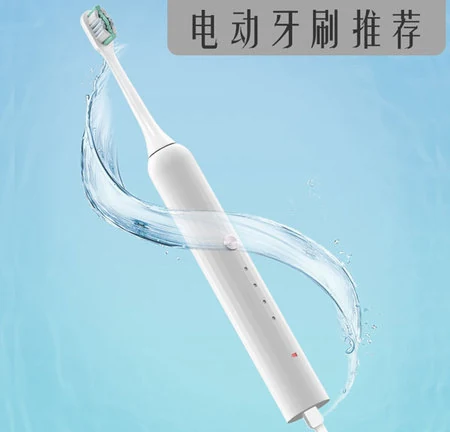
Choosing an Electric Toothbrush in 2021
进入2021年,很多人已经逐渐采用电动牙刷刷牙的方式。市场上的国产电动牙刷种类多,质量不一,选对电动牙刷很重要,那么如何
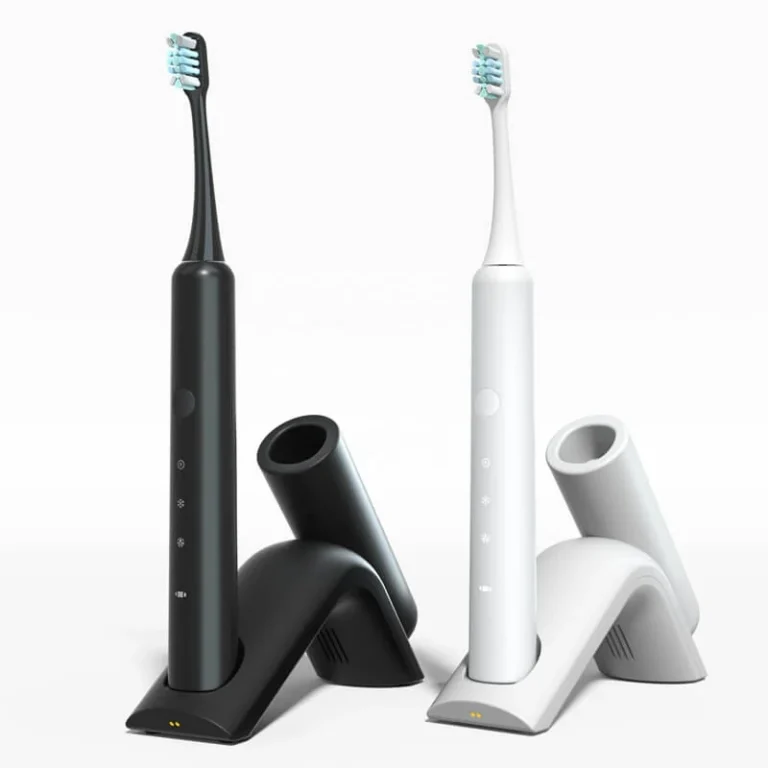
Helping Everyone Brush Correctly
我们希望电动牙刷进入到千家万户,让每个人都学会使用电动牙刷刷牙,让每个人都免受牙齿问题口腔问题的疼痛。
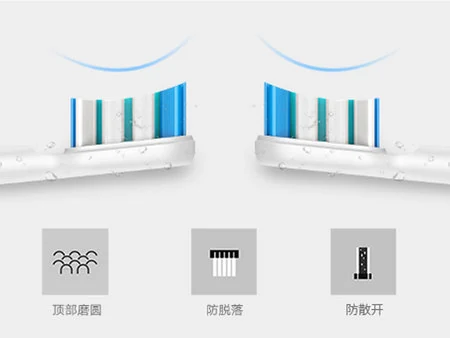
Detailed rounding rate for electric toothbrush: national standard regulation and selection guide
了解电动牙刷磨圆率的重要性及国家标准GB 39669-2020的规定,探索伟杰智能的电动牙刷,确保每次刷牙都温和有效,保
The difference between electric toothbrush and ordinary toothbrush is five main aspects.
电动牙刷和传统牙刷有哪些区别呢?电动牙刷对比手动牙刷有哪些优势?到底谁强谁弱,咱们从以下五方面来看看吧!一、电动牙刷和普