Products
Shenzhen AiwejayThe electric toothbrusher.I want to introduce you to the steps taken to use electric toothbrushes:
1. Charge the equipment. If the battery is uncharged or insufficient, you will not be able to use an electronic toothbrush.
If you have insufficient electricity, you can continue to brush your teeth manually or use a conventional toothbrush (if any). Put your toothbrush close enough to the sink to be easily reached, but so far that if you insert it, you will not accidentally hit your toothbrush into the sink and get electrocuted.
2 keeps the brush intact. Your electric toothbrush should have soft nylons and round brushes to brush your teeth most efficiently. These brushes can be used regularly, and you should check the brush periodically to keep it intact, which helps to ensure that you get the best brushes.
If you find any of these problems, change your electronic toothbrush head every three to four months.
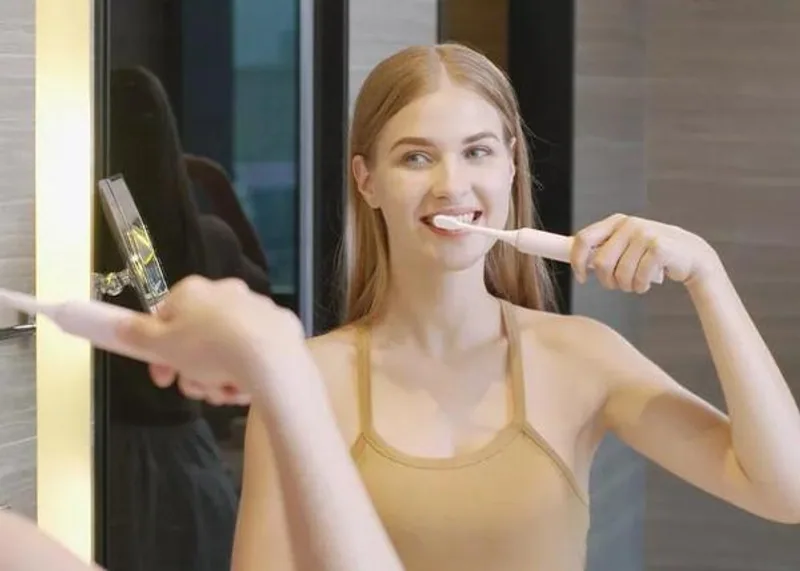
3 sets your toothbrush. In some water, run your toothbrush and put pea-sized toothpaste on it. This helps you prepare your toothbrush to clean your teeth and mouth most efficiently. You can also paint your toothpaste on your teeth when your toothbrush is closed, so that you can better rub the toothpaste around your mouth.
Consider using fluorine toothpaste, which helps to strengthen your teeth and remove the bacterial spots that cause disease and decay. If you have sensitive teeth, consider using fluoride toothpaste from a formula to help reduce sensitivity.
4 divides your mouth into four quadrants. Splits your mouth between the top, left, right and bottom limits to resolve your toothbrushing habits. This helps to ensure that you brush your teeth and each part of your mouth.
You can start with the most comfortable range you like, and you should spend about 40 seconds on each quadrant, while brushing every surface of your teeth. Make sure you brush your tongue and the top of your mouth.
5. Puts a toothbrush brush along the line. Keep the toothbrush and the toothbrush line at 45 angle. Keep brushing in contact with the teeth surface and the toothbrush line, which helps to ensure that you get the most effective brushing of teeth.
6. Brushing teeth from the outer to the inner. Maintain an angle of 45 degrees, brushing the outer surface with two to three teeth using a rolling exercise. After completing this rim limit, move to the inside of the teeth and repeat the same steps. Rolling motion is achieved by exposing the brush to the toothline and then moving downwards along the toothbrush towards the chewing surface.
In addition, if you press your toothbrush gently to avoid holding your toothbrush over a long period of time next to your toothbrush line, because the spin will cause the toothbrush to shrink over time.
7. Cleaning the surface, tongue and softening. You also need to brush your teeth and gills and teeth. This can help clear the fragments and other alienated bacteria. Use a soft back and forth scrubbing to clean the surface and tongue. Use the same or more mild back and forth exercise to clean your soft ash or the top of your mouth.
8. Scrubs lightly and thoroughly. It takes at least two minutes to brush your teeth, or a pictogram of about 30 seconds each. This can help prevent cavity and cavity by reducing the amount of shredding and bacteria in your mouth at least twice a day.
After eating or drinking acid food, wait for 30 to 60 minutes to help maintain the teeth. This will provide enough time for saliva to re-mine the teeth and form an alkaline environment. On the contrary, chewing a non-glucose gum containing wood sugar alcohol after meals and before brushing teeth.
9. Put your teeth in a tusk. Even if you brush your teeth thoroughly, the dentist recommends that you clean your teeth twice a day. This helps to clear the toothbrushes and food particles between the teeth that you cannot reach. Extracts about 18 inches (46 cm) of dental lines from the packaging. Wraps it with the middle finger. Then you can grab the line between your thumb and index finger, which will help you clean it more effectively.
It must be very gentle when it guides the line between the teeth. When it touches your line, it bends over your teeth. It rubs the side of each tooth up and down.
Try to remove the gums formed under the toothbrush and practice until they have the best effect. You can brush your teeth first or use your teeth. However, some studies show that using a toothbrush before doing so may increase the efficacy of fluoride.
10 uses disinfection. After brushing the toothlines, mouthwashing is done with water and mouthwashing. Some studies show that mouthwash can reduce gum clots and tooth aromas and promote overall oral health. mouthwashing can also remove inexhaustible foods or other bacterial particles. In the water, mouthwashing is in the mouth.
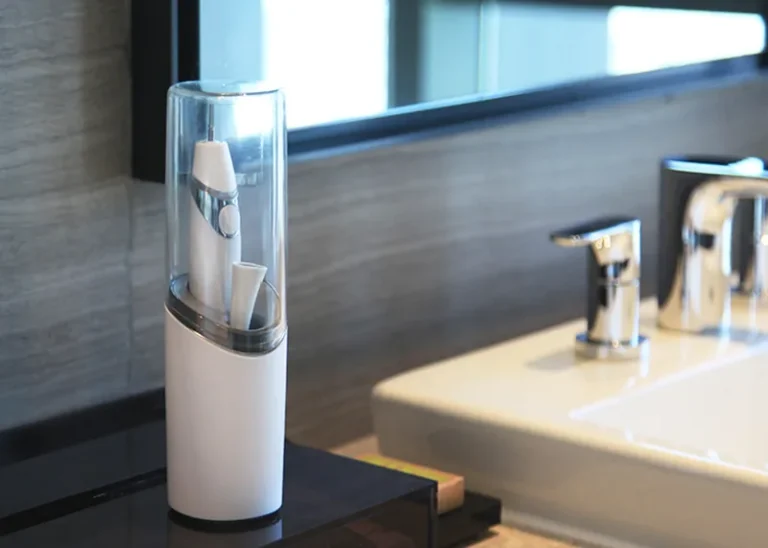
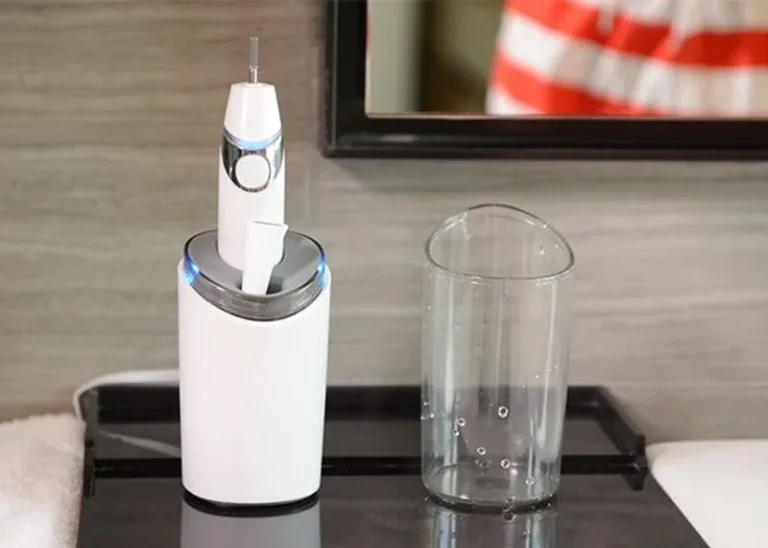
11. Stores toothbrushes. After completing the toothbrushing program, washes the head of the toothbrush and puts it back into the storage unit. This helps to maintain the integrity and useful life of the toothbrush. Take the brushes from the handle and keep them in the water for a few seconds. Drys them up on the racks. Washing the toothbrush with running water will remove any lingering toothpaste or shredding. Avoid covering the head of the toothbrush, which will help to promote bacteria. Ensure that the toothbrush is stored in a standing position.
AiwejayElectric toothbrushing plantFocusing on the design, development, production and marketing of acoustic electric toothbrushes, starting from product industrial aesthetic designs, innovative technologies, autonomous research and development and better solutions bring high quality personal health care products and services to clients.
Related Reading

Electric Toothbrush Purchasing Guide
我们在接待客户时,品牌商和工厂采购电动牙刷,经常遇到的一些问题。有时候难以一下子说清楚,这里我整理一下指南,以供行业参考
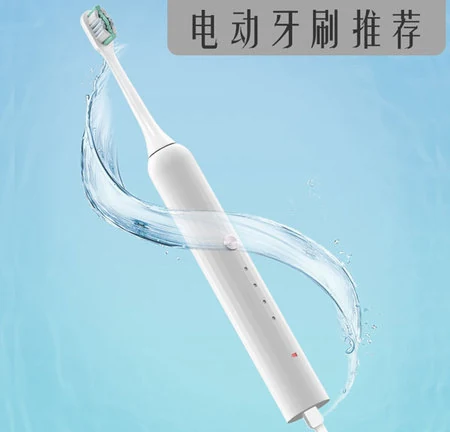
Choosing an Electric Toothbrush in 2021
进入2021年,很多人已经逐渐采用电动牙刷刷牙的方式。市场上的国产电动牙刷种类多,质量不一,选对电动牙刷很重要,那么如何
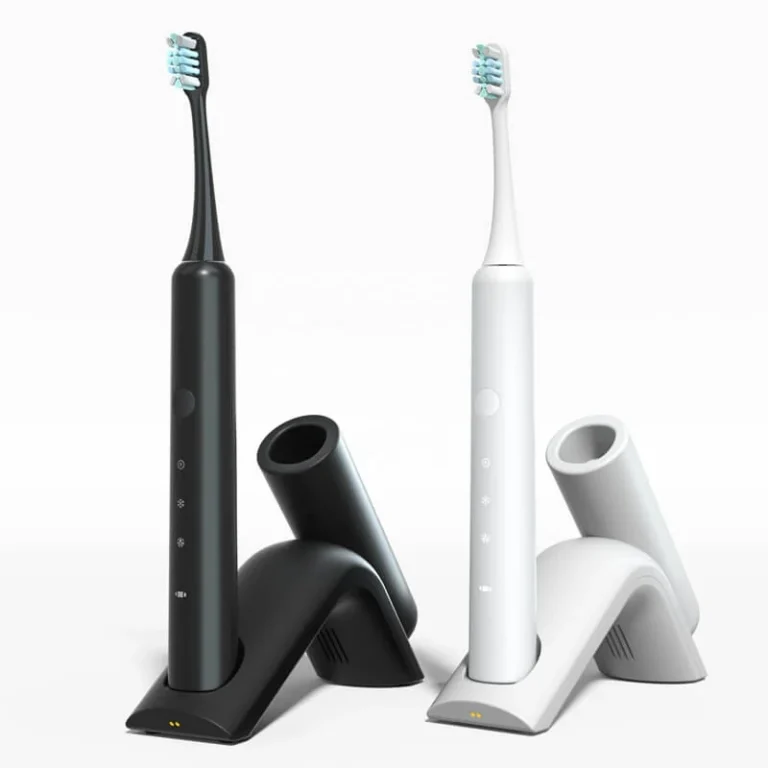
Helping Everyone Brush Correctly
我们希望电动牙刷进入到千家万户,让每个人都学会使用电动牙刷刷牙,让每个人都免受牙齿问题口腔问题的疼痛。
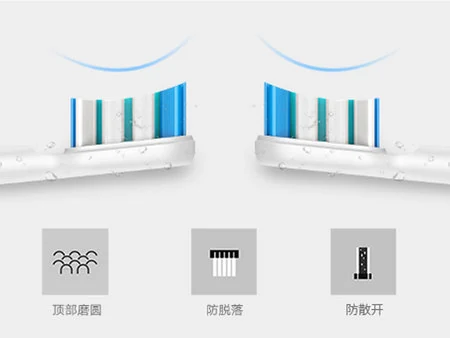
Detailed rounding rate for electric toothbrush: national standard regulation and selection guide
了解电动牙刷磨圆率的重要性及国家标准GB 39669-2020的规定,探索伟杰智能的电动牙刷,确保每次刷牙都温和有效,保
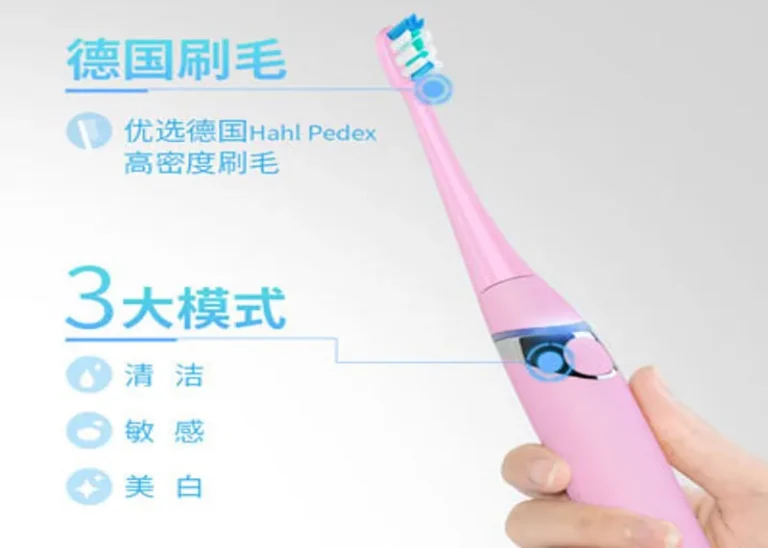
The difference between electric toothbrush and ordinary toothbrush is five main aspects.
电动牙刷和传统牙刷有哪些区别呢?电动牙刷对比手动牙刷有哪些优势?到底谁强谁弱,咱们从以下五方面来看看吧!一、电动牙刷和普