Products
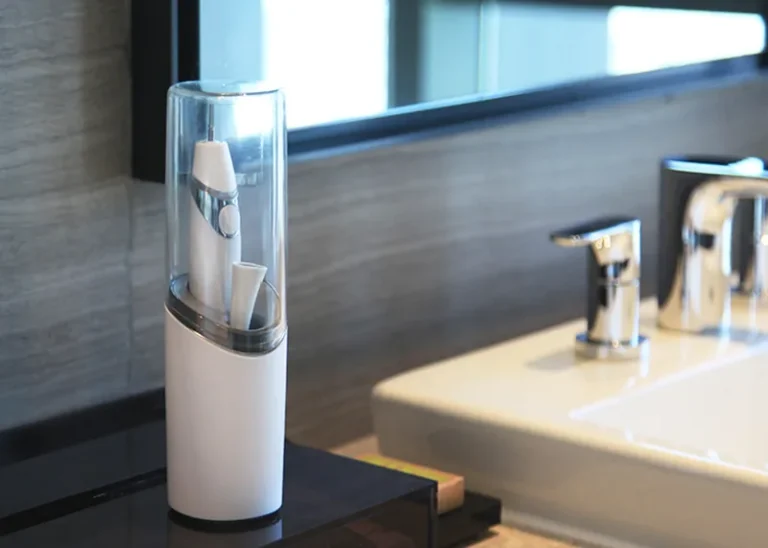
Electric toothbrushes have become an essential tool for modern family dental care, especially today, when many people are increasingly focusing on oral health, and their functionality and design are being upgraded. In particular, their waterproofness is a key consideration in consumers’ selection of electric toothbrushes.
Well,How does an electric toothbrush protect itself from water?Behind you.What are the technical principles??

Water and electricity protection toothbrushes are easier to use
The following is a post on the Global Voices website:The project is aimed at helping to better understand the principles of water and electricity protection against toothbrushes.
I. Importance of waterproofing electric toothbrushes
The electric toothbrush is daily in a damp environment, when used with water, clean head brushes, clean teeth, even in bathing. Water penetration and accumulation have a huge impact on the safety and longevity of electric toothbrushes.
First, waterproofing designs prevent moisture from entering the internal circuit of electric toothbrushes. Once water penetrates, it can cause short circuits, corruption of parts of the battery, and even shock safety problems. Second, the waterproofness of electric toothbrushes can affect their cleanness. Products with poor waterproof properties may be damaged by water-infilmation, leading to a loss of functionality. Thus, the waterproofness of electric toothbrushes is not just part of the visual design, but is directly related to the life of service, the clean-up effect, and the user’s sense of security.
II. Criteria and implications of water-protection levels
The water-resistant standard (IP-protective level) is the most common measure when evaluating the waterproofness of electric toothbrushes. The IP-protection level consists of two numbers, which are used to indicate the protective capacity of equipment for solid substances and liquids.
1. Definition of IP protection level
-
First number: On behalf of the dust-proofing level, it is the equipment's protective capacity against solid objects (e.g. dust, sand particles, etc.). The larger the number, the greater the protection capability. The common range ranges from 0 (unprotected) to 6 (completely dustproof).
-
Second number: Indicates the water-resistant level, which refers to the equipment's protection against liquids, especially water. The larger the number, the greater the protective capacity against water, it ranges from 0 (unprotected) to 9 (high pressure water spray protection).
2. Waterproof levels common to electric toothbrushes
-
IPX6This means that electric toothbrushes can withstand powerful water column injections. Consumers can wash their water directly from the tap when they are washed, without fearing that the water will penetrate the inside of the toothbrush.
-
IPX7: An electric toothbrush can be soaked in water at a depth of 1 metre for 30 minutes. This water-proof level means that even if the user accidentally drops the toothbrush into the sink while washing, the electric toothbrush will not be damaged by entering the water.
-
IPX8This is a higher level of waterproofness, usually immersed in deeper waters (e.g., 3 m deep) and kept working. Although the price of this waterproof level of electric toothbrushes is high, they are suitable for those who need to use electric toothbrushes frequently in wet environments.
Knowledge of the water-proof levels of electric toothbrush can help consumers to choose suitable products according to their needs.
III. Core waterproof technologies for electric toothbrushing
The waterproof design of an electric toothbrush does not depend on a simple shell, but combines several precision techniques. The following are some of the common electro-teethbrush waterproof techniques.
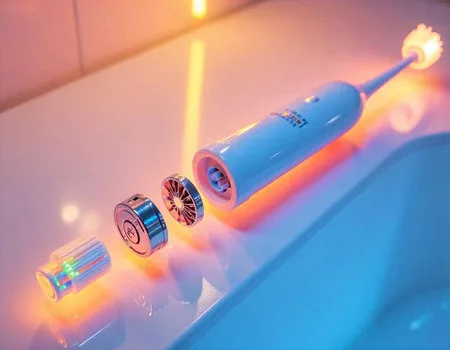
Waterproof interior design for electric toothbrush
1. Crust sealing design
The shell of an electric toothbrush is usually waterproof, such as ABS engineering plastics, which resist external pressure and have strong waterproof properties. During the manufacturing process, designers are able to connect components like brush head, handle, battery silos and so forth by a precise mould, forming a seamless whole structure that avoids water entering the electric toothbrush.
2. Waterproofing ducts and sealed gaskets
The key parts of an electric toothbrush, such as head brush interfaces, battery silos, charge interfaces, etc., require the installation of waterproof ducts or seal cushions. These small and important components can effectively fill gaps in the interface to prevent moisture from entering the internal battery and circuit system of the electric toothbrush. For example, sealing pads on the battery silos can be effective in preventing water vapour entry during washing, keeping the cell dry and extending the battery life.
3. Holeless design
Some high-end electric toothbrushes use wireless charger technology, avoiding the design of traditional electric toothbrush rechargers through metal contact points. This wireless charger design reduces the opening of the charging interface and reduces the risk of water entering the electric toothbrush interior while avoiding possible corrosive problems associated with traditional plug design.
4. Nano-waterproof coating technology
Modern electric toothbrushes should also use nano-waterproof coating techniques. The coatings can form a super-fine protective film on the surface, such as circuit boards, internal components, and effectively shield intrusion.
5. Ultrasound welding technology
The more highly active components of the shell connection to an electric toothbrush are ultrasound welding, which ensures that the connection points are completely seamless and do not contain the hazards of adhesives. Through ultrasound vibrations, the parts of an electric toothbrush can be welded together at a high level of precision to form stronger seals.
IV. Methods for testing waterproofness of electric toothbrushes
To ensure that the waterproofness of electric toothbrushes is in line with standards, the Chamber of Commerce of Production has conducted a series of rigorous tests:
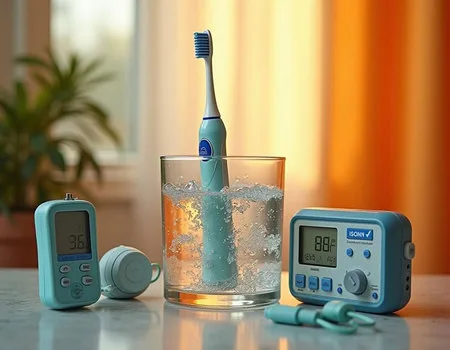
Waterproof testing of electric toothbrushes
1. Infiltration tests
This test simulates the exposure of electric toothbrushes to water for long periods.
2. Spray test
The spray test simulates the direct water flow from the tap to the electric toothbrush. Through high-pressure water column injection, the shell and sealing of the electric toothbrush is detected to ensure that it is resistant to strong currents without permeating.
3. Pressure testing
The test is to test the resistance and waterproofness of the electro-teethbrush shell by applying a certain pressure. This test will test the performance of the electric toothbrush in different water pressure environments, ensuring that it is not easily available during use.
V. How can you choose an electric toothbrush that is highly waterproof?
When selecting electric toothbrushes, consumers can help themselves to select a product that is highly waterproof by reference to the following:
1. View water-resistant grade markings
Consumers should choose the water-proof level asIPX7Or higher electric toothbrushes, which ensure that they are not easily accessible to water in daily cleaning and use.
2. Focus on recharge
Wireless chargers are more secure and convenient than traditional plug-in charging methods, where electric toothbrushes designed to reduce the risk of water seepage in the interface.
3. Observation of appearance design and work
Checks whether the shell of the electric toothbrush is close and there are any obvious gaps in the interface. High-quality electric toothbrushes are usually well designed, with good sealing at the interface to ensure that no water enters.
4. Reading user evaluation
It is possible to look at other consumer evaluations, learn about the actual waterproofness of products and select better brands and models.
Future trends in water-proof technologies
As technology progresses, waterproofing of electric toothbrushes is also evolving. In the future, we may see:
-
New waterproofing materialsEasy, efficient waterproofing materials will be mainstreamed to further enhance waterproofness while maintaining the ease of toothbrushes.
-
Smart waterproof design: Electric toothbrushes may use smart sensor technology to automatically alert users when water intrusion is detected.
-
Higher water-proof level.In the future, the water-proof level of electric toothbrushes is likely to reach higher standards and meet more needs for use in extreme environments.
Summary
The waterproofness of electric toothbrushes is not only related to their useful life and clean-up effects, but also directly affects the safety of users. When purchasing electric toothbrushes, understanding the principles of waterproofness, checking waterproofing levels and selecting products with good sealed designs are key to ensuring the waterproofness of electric toothbrushes.
Aiwejay Technology as a professionalElectric toothbrush OEMEnterprises have a wealth of research and development and production experience for many years, and are dedicated to providing their clients with high-quality electric toothbrushes that are highly waterproof.Electric ToothbrushesWe'll be in touch any time.Customize electric toothbrushproducts and services.
Related Reading

Electric Toothbrush Purchasing Guide
我们在接待客户时,品牌商和工厂采购电动牙刷,经常遇到的一些问题。有时候难以一下子说清楚,这里我整理一下指南,以供行业参考
Choosing an Electric Toothbrush in 2021
进入2021年,很多人已经逐渐采用电动牙刷刷牙的方式。市场上的国产电动牙刷种类多,质量不一,选对电动牙刷很重要,那么如何
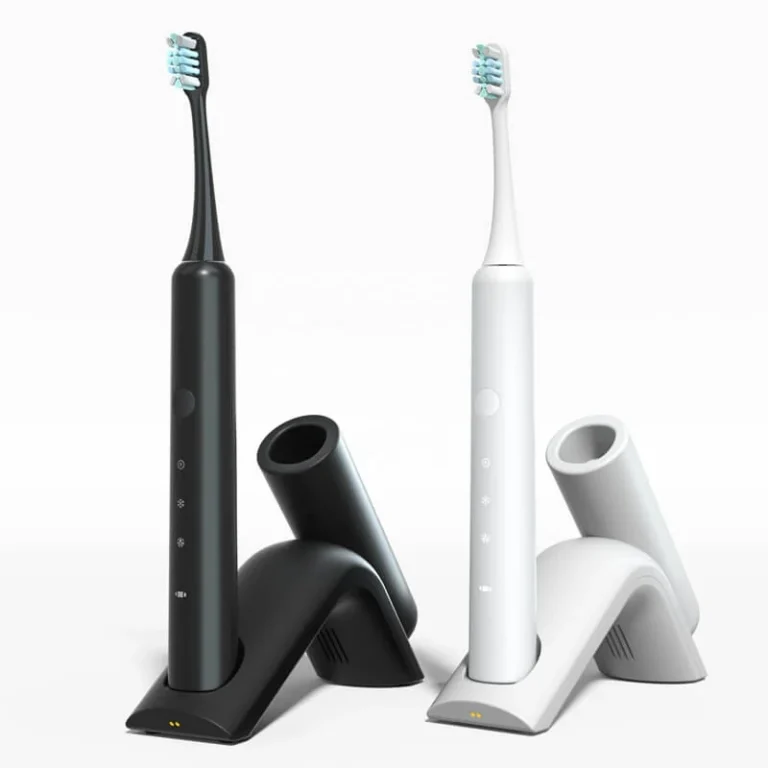
Helping Everyone Brush Correctly
我们希望电动牙刷进入到千家万户,让每个人都学会使用电动牙刷刷牙,让每个人都免受牙齿问题口腔问题的疼痛。
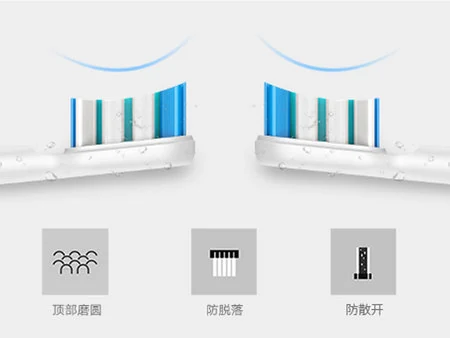
Detailed rounding rate for electric toothbrush: national standard regulation and selection guide
了解电动牙刷磨圆率的重要性及国家标准GB 39669-2020的规定,探索伟杰智能的电动牙刷,确保每次刷牙都温和有效,保
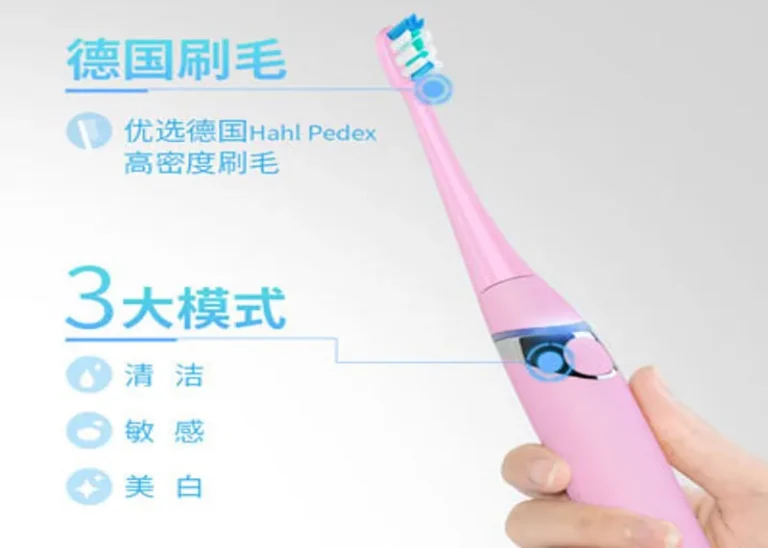
The difference between electric toothbrush and ordinary toothbrush is five main aspects.
电动牙刷和传统牙刷有哪些区别呢?电动牙刷对比手动牙刷有哪些优势?到底谁强谁弱,咱们从以下五方面来看看吧!一、电动牙刷和普