Products
What are the main ways of charging electric toothbrushes? What are the advantages and disadvantages, how should consumers rationally choose the appropriate chargeable electric toothbrush? The good with wireless charge or the good with Type-C?
I.Electric ToothbrushesThe way you charge it.Mainly: wireless charge, Type-C charge, contact charge, DC charge
Type-C wired charge:The same approach was the first to be used in the electric toothbrush industry, with the front and back ports of Type-C being the same, and the market for electronics having basically spread the Type-C charge interface, which is more easily charged.
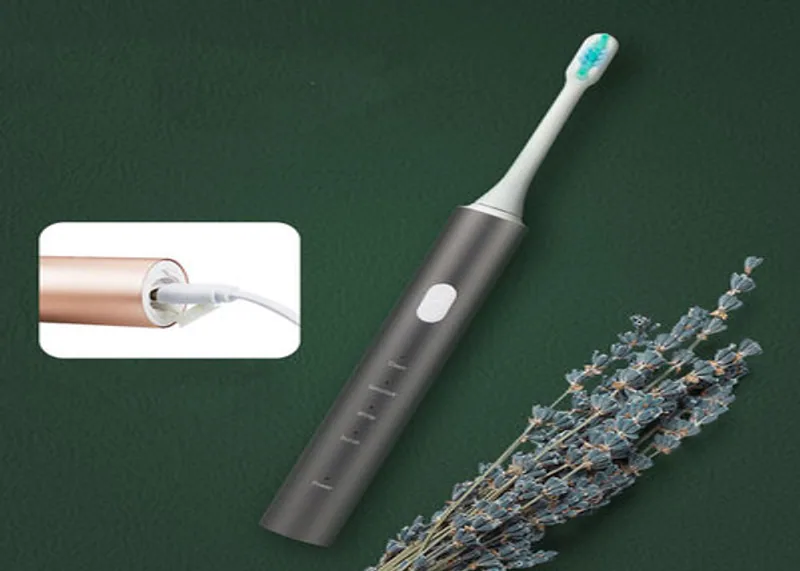
The U3 electric charge is Type-C.
Touch charge Pogo pin:It uses two sets of positive and negative metal detectors, which connect chargers and batteries, each with springs inside the metal probe, which, under pressure, shrink, and two sets of metal contact points that connect to charge.
DC Charge:It uses two sets of positive-negative metal tubes, divided into public parentes, which are connected to chargers and batteries, respectively, and a metal tube is charged in a connected manner.
Wireless charge.:It is sensory charge, bottom sense charge, bottom magnetic insulation charge, and magnetic insulation side wall charge.
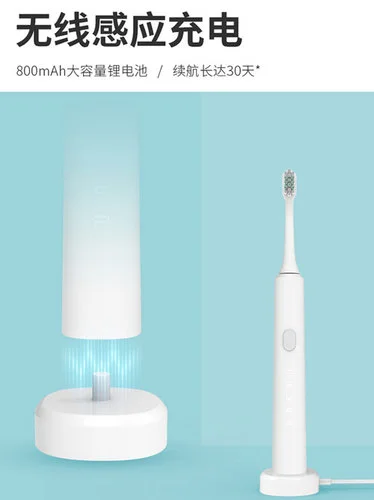
Aiwejay's new: U4 provides a passer-in service on a wireless charger.
II.Electric ToothbrushesThe better for wireless charge or the better for Type-C wired?
The electric toothbrush is recharged and dry batteries are used. Which one is more suitable for us to use? Here's the advantages and disadvantages of these.
Advantages and disadvantages of charging and battery toothbrushes:
Charged electric toothbrush
Advantages: Charged toothbrushes are more environmentally friendly, have a long useful life and can be recycled.
Disadvantages: Charged toothbrushes are generally more expensive than those using dry batteries, and there is an electrical wire, with rusty spots in the ground floor and where the toothbrush is exposed.
Type-CElectric Toothbrushes
Advantages:Type-CThe price of electric toothbrush is cheaper than the charger because he uses batteries, travels at home more conveniently and can use charging batteries if he does not want to change batteries.
Disadvantages: Dry battery toothbrushes are not used, batteries are replaced only a few times, and the rest of the batteries that remain when they are often replaced can contaminate the environment.
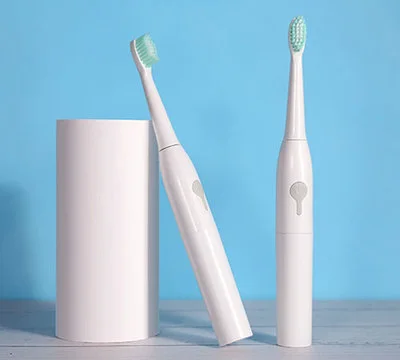
UF battery electric toothbrush
III. Conclusion: It is recommended that charging be good.
Now batteries need to be replaced regularly, even if chargeable batteries need to be recharged instead of being charged directly.Electric ToothbrushesThe charge can be made from 2 to 3 weeks, and there is no need to worry about it even if you travel.
Charged toothbrushes are also more energy-efficient, with wires not working, few times without electricity, and batteries are often purchased, and chargers can charge only if they are charged. From an environmental point of view, chargeable toothbrushes are not contaminated, while used batteries generated by dry battery electric toothbrushes also contaminate the environment.
That's the introduction to "Classes of how electric toothbrush is charged, how good is charge-up or how good battery is charged?" The novel suggests that users buy charging electric toothbrushes, preferably wirelessly charged, which are now going to be accepted by a wider audience. Prices will become more and more acceptable to consumers, just asCharge typeCell phones, like wired charging, are a big trend.
Related Reading

Electric Toothbrush Purchasing Guide
我们在接待客户时,品牌商和工厂采购电动牙刷,经常遇到的一些问题。有时候难以一下子说清楚,这里我整理一下指南,以供行业参考
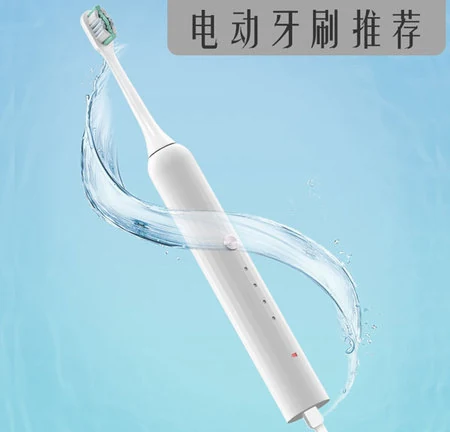
Choosing an Electric Toothbrush in 2021
进入2021年,很多人已经逐渐采用电动牙刷刷牙的方式。市场上的国产电动牙刷种类多,质量不一,选对电动牙刷很重要,那么如何
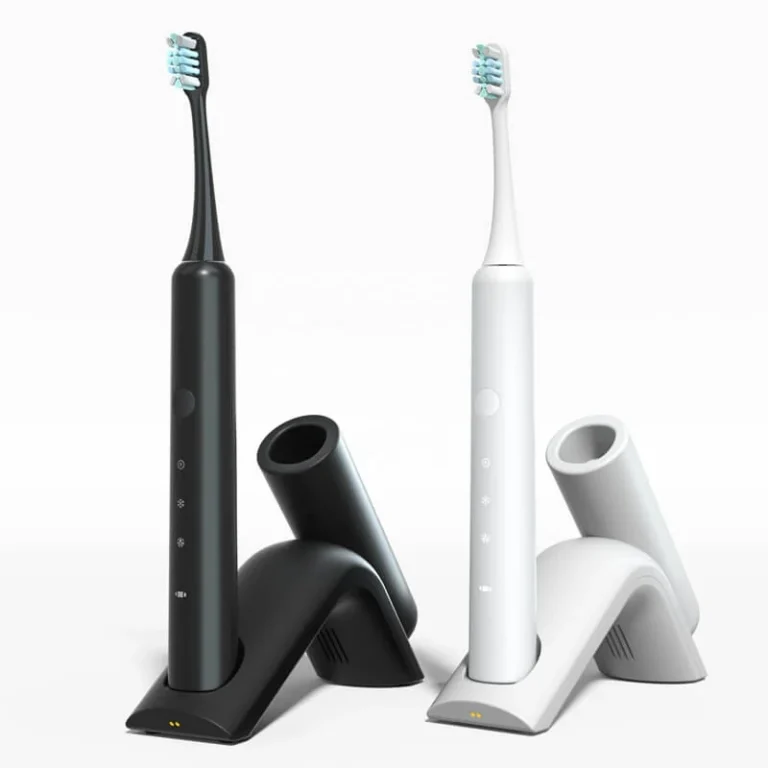
Helping Everyone Brush Correctly
我们希望电动牙刷进入到千家万户,让每个人都学会使用电动牙刷刷牙,让每个人都免受牙齿问题口腔问题的疼痛。
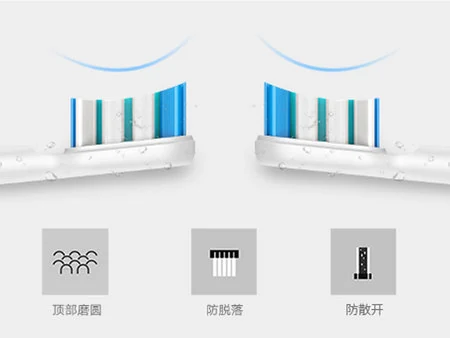
Detailed rounding rate for electric toothbrush: national standard regulation and selection guide
了解电动牙刷磨圆率的重要性及国家标准GB 39669-2020的规定,探索伟杰智能的电动牙刷,确保每次刷牙都温和有效,保
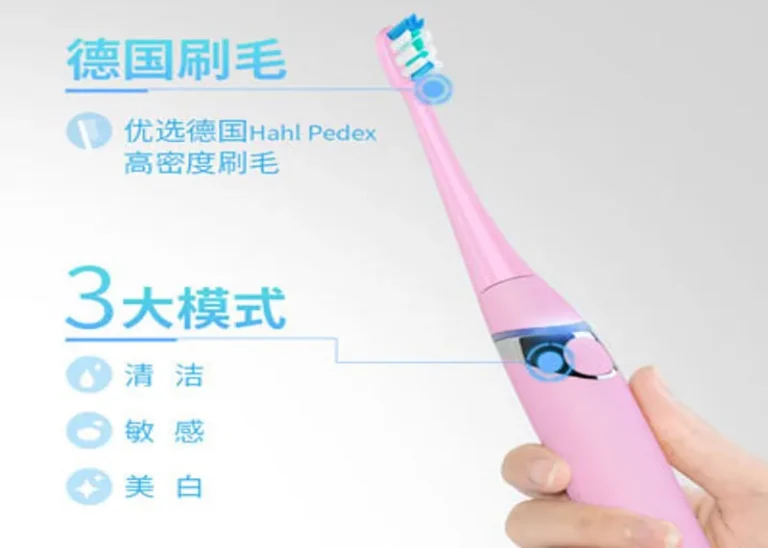
The difference between electric toothbrush and ordinary toothbrush is five main aspects.
电动牙刷和传统牙刷有哪些区别呢?电动牙刷对比手动牙刷有哪些优势?到底谁强谁弱,咱们从以下五方面来看看吧!一、电动牙刷和普