Products
As technology advances, the working model of electric toothbrush becomes more diverse to meet the need for oral clean-up. This paper will explore in depth how electric toothbrush works and the scientific principles behind different work models. We will analyze the components of electric toothbrushes by dissecting them, and explain in detail how they work.
I. Electro-tempolysis of toothbrushes:
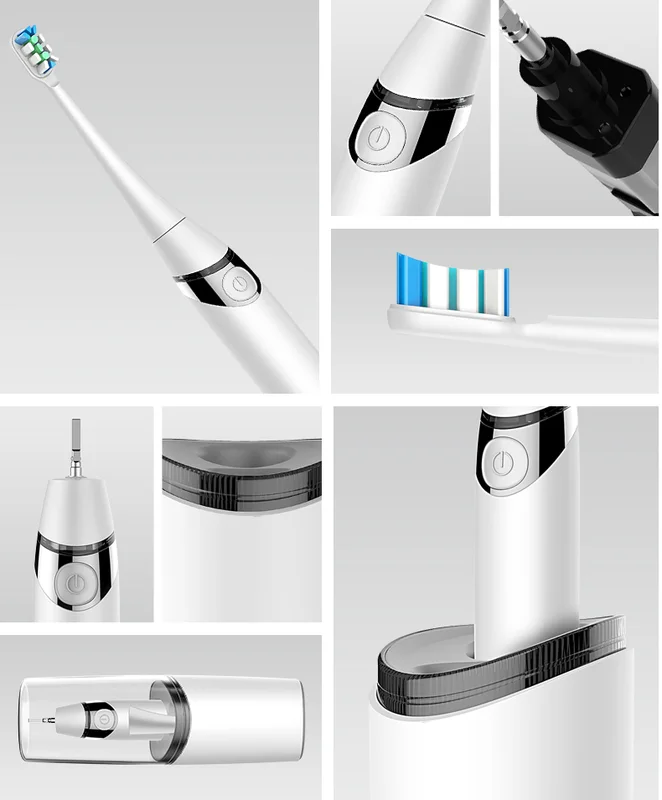
The disassembly is an effective way of helping us to better understand the internal structure and workings of electric toothbrushes. The following are some of the key components of electric toothbrushes:
1. Electric toothbrush handles:The handles of electric toothbrushes are usually made of plastics and have comfortable designs so that users can clean their mouths easily.
2. Electric motors:The heart of the electric toothbrush is an internal electric motor. This small and powerful motor drives a brush by vibration or rotation, thus achieving cleanness.
3. Brushing:The brush is one of the most important parts on an electric toothbrush. It's usually soft.Electric toothbrush brushes.These brushes are made to better touch the surface and stitches of teeth and effectively remove toothbrush and food residues.
4. Batteries:Electric toothbrushes use batteries as energy. Modern electric toothbrushes usually use rechargeable lithium batteries, which are efficient and long-lived.
Now, let us explore in depth the different modes of work and the scientific rationale behind them.
II. Vibration patterns
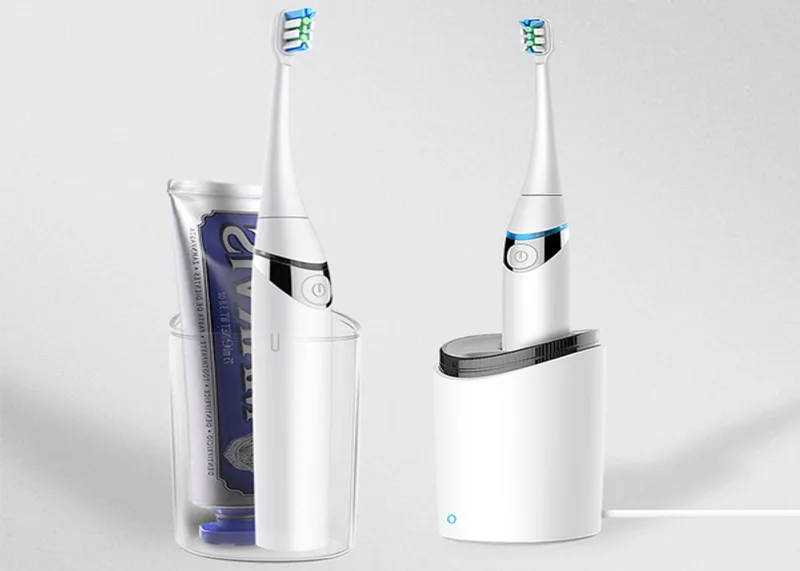
Vibration mode is one of the most basic work models for electric toothbrushes. It works by cleaning teeth through the rapid vibration of electric motors. This vibration creates a mechanical scrubbing effect that can effectively remove toothbrushes.
The advantage of vibrating patterns is that they are simple and efficient. Electric toothbrushes usually vibrate thousands of times a minute, produce higher brushing power than hand-brushing teeth, enable brushing to reach the surface and stitches of teeth, and thus clean up the mouth completely.
III. Rotation pattern
The rotation mode is another common pattern of electric toothbrush work. In this mode, the brushing of an electric toothbrush is cleaned in a quick rotation. The rotation mode uses the rotational action of a brush to cut and stir the toothbrush, so it is relaxed and brushed out.
The advantage of the rotation model lies in its strong cleanness. The brushing moves can be more deeply removed from toothbrush and dirt, especially in areas where teeth surfaces and cavities are difficult to reach. This model applies to people who need to be cleaner than they need.
IV. Vibration and rotation patterns
Vibration and rotation mode is an advanced working mode that combines vibration and rotation actions. In this mode, the brush of a electric toothbrush is both vibrated and rotated to achieve a more comprehensive clean effect.
The advantage of vibrating and rotating models is that they are multifunctional. The vibrations and rotations of brushes are coordinated to better remove toothbrush spots, dirt and food residues. This model applies to people who seek comprehensive oral cleaning.
V. Pressure-based induction patterns
The pressure induction mode is an intelligent working mode. The electric toothbrush is equipped with a pressure sensor that detects the user’s toothbrush pressure. When the user exerts excessive pressure, the electric toothbrush automatically reduces the vibration or rotation strength to avoid damage to the teeth and teeth.
The advantage of the pressure induction model lies in its protective nature. Excessive tooth brushing pressures can lead to abrasion and decay of teeth, and this smart model reminds users to maintain appropriate tooth brushing strength to protect their oral health.
VI. Clean and protective models
Cleaning models and protection models are the work models that are unique to electric toothbrushes. Clean models are designed to provide strong clean effects to remove toothbrush spots and stains.
Cleaning models, with powerful vibrations or rotational moves, can go deep into the surface of teeth and stitches of teeth, removing stubborn toothbrush spots and stains. It applies to people who need strong cleaning, such as smokers or those whose teeth are prone to pigmentation.
The protection model is more focused on the protection and massage of the tooth. It stimulates the blood circulation of the toothbrush through soft vibrating or rotational actions, promoting the health of the toothbrush. This model applies to people whose teeth are sensitive or susceptible to bleeding.
In conclusion, electric toothbrushes in different working models play their part in the cleaning of mouths. Whether they are vibrating, rotating or vibrating, they provide efficient clean-up in different ways.
Electron toothbrush disassembling: The scientific principles behind different work models demonstrate the progress of modern technology in oral care. By understanding the internal structure and working methods of electric toothbrushes, we can better choose electric toothbrushes that are appropriate for our own oral needs and use different work models correctly.
Common Question Answer
1: What's better than an electric toothbrush and a hand-held toothbrush?
An electric toothbrush is more efficient in cleaning than a manual toothbrush because it is better able to remove toothbrush spots and stains by vibration or rotation. At the same time, an electric toothbrush also has a function of choice by pressure sensitivity and different work patterns, providing more comprehensive dental care.
2: Does the vibration frequency of an electric toothbrush have an impact on the cleanness effect?
Vibration frequency has some effect on the cleanness of electric toothbrushes. Generally, the higher the vibration frequency, the better it is. The common rate of vibrating electric toothbrushes ranges from thousands to tens of thousands per minute, effectively removing toothbrush spots and stains.
3: Are electric toothbrushes suitable for use by children?
Yes, electric toothbrushes are also suitable for children. In fact, for some children, electric toothbrushes may be easier to use and more interesting. However, they should be chosen for their age-appropriate electric toothbrushes, with supervision and guidance when they are used to ensure correct toothbrushing techniques and appropriate timing.
4: Does an electric toothbrush need a new brush?
Yes, electric toothbrushes require regular change of brush. The brushes are worn over time and the cleaning effect of brushing is diminished. Usually it is recommended to change the brush every three months or to decide on the timing of the change according to the instruction given to the brush. This ensures that good cleaning is always maintained.
Conclusions
The working principles of electric toothbrushes and the scientific principles behind different work models provide us with a deeper understanding of the mechanisms and functions of electric toothbrushes. A variety of work models, such as vibrating, rotating, vibrating and rotating, pressure-sensitive, clean, and americian models, offer users different options for oral care. By choosing a work model that suits their own needs, the correct use of electric toothbrushes can achieve more efficient and comprehensive dental cleaning and protection.
In the past few years, there has been a lot of discussion about the importance of this issue, whether it is in pursuit of strong clean-up effects or in the focus on dental well-being.Electric ToothbrushesHowever, it is important to keep the brush regularly updated and to use the correct brush technique and brush time in order to maximize the effects of electric toothbrushes.
Electron toothbrush disassembly: The scientific principles behind different working models demonstrate the innovations and advances of modern technology in oral care. Select an electric toothbrush that suits you, and make full use of different work patterns to keep oral health at its best.
Related Reading

Electric Toothbrush Purchasing Guide
我们在接待客户时,品牌商和工厂采购电动牙刷,经常遇到的一些问题。有时候难以一下子说清楚,这里我整理一下指南,以供行业参考
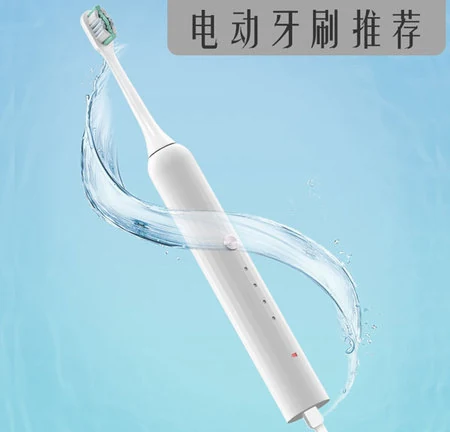
Choosing an Electric Toothbrush in 2021
进入2021年,很多人已经逐渐采用电动牙刷刷牙的方式。市场上的国产电动牙刷种类多,质量不一,选对电动牙刷很重要,那么如何
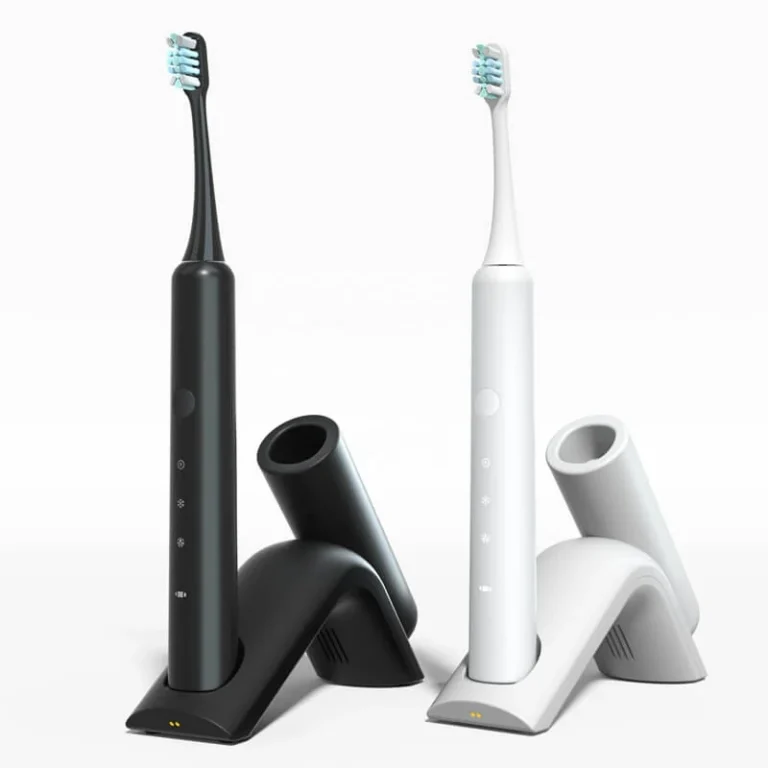
Helping Everyone Brush Correctly
我们希望电动牙刷进入到千家万户,让每个人都学会使用电动牙刷刷牙,让每个人都免受牙齿问题口腔问题的疼痛。
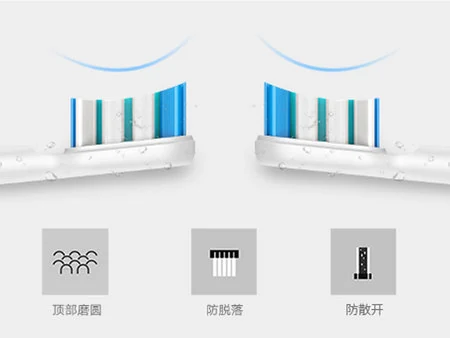
Detailed rounding rate for electric toothbrush: national standard regulation and selection guide
了解电动牙刷磨圆率的重要性及国家标准GB 39669-2020的规定,探索伟杰智能的电动牙刷,确保每次刷牙都温和有效,保
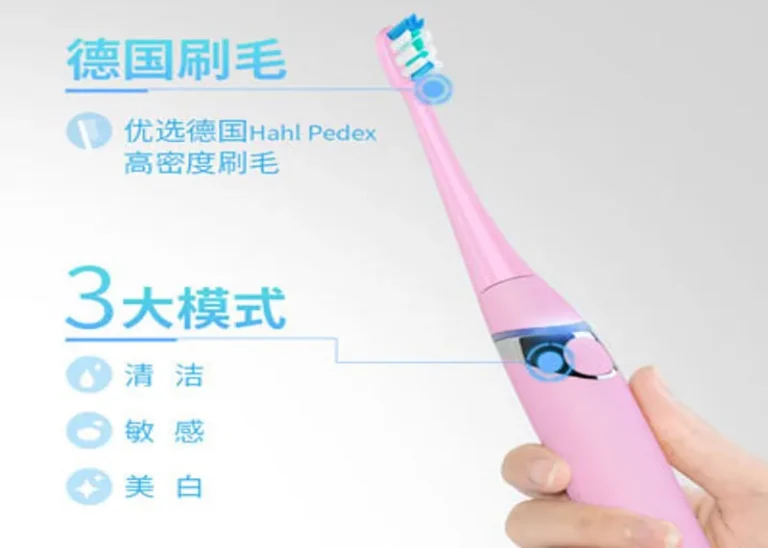
The difference between electric toothbrush and ordinary toothbrush is five main aspects.
电动牙刷和传统牙刷有哪些区别呢?电动牙刷对比手动牙刷有哪些优势?到底谁强谁弱,咱们从以下五方面来看看吧!一、电动牙刷和普