Products
Introduction:
In modern societies, oral hygiene is particularly important, especially for children. Electric toothbrushes are one of the most effective tools for maintaining oral health. However, for children, a custom-made approach is needed to ensure their safety and comfort. In this paper, we will explore every step in the design and delivery process of customizing children’s electric toothbrushes.
I. Design and initial plan
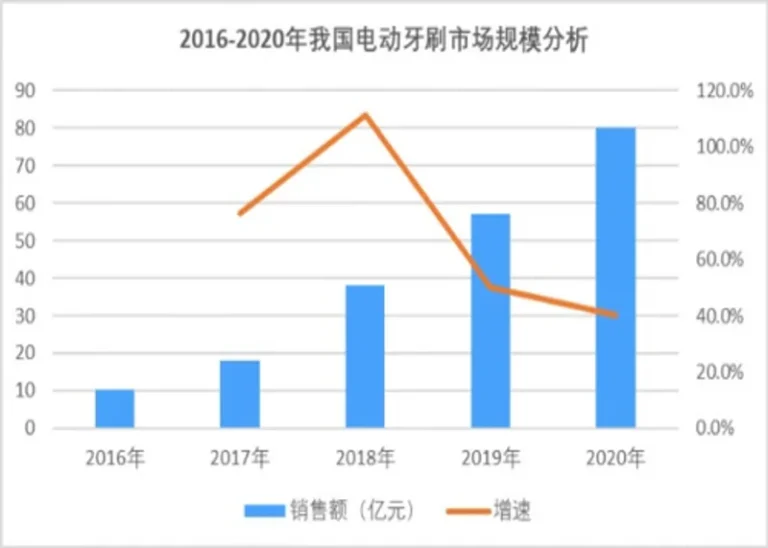
The initial design and planning phases are critical when it comes to the customization of electric toothbrushes for children. Source figures: 3.
1. Identifying target audiences —First, it is important to identify the target audience. Children of different ages may need different design requirements. Young children may need smaller and easier electric toothbrushes, while older children may need more functionality and special design toothbrushes.
2. Market research– Market research is essential in the design process. Understanding products and competitors that are already available in the market can help us identify unique design elements and functions that distinguish them from other products.
3. Conceptual design —Using the results of the study, conceptual design is being developed. This phase involves creatively presenting different design concepts, and the Aiwejay electric toothbrusher can also customize it according to client needs.OEM/ODMKids Electric ToothbrushesDesign. Consider how to meet the needs and preferences of children.
4. Design evaluation –After the conceptual design is completed, a design review is conducted. Experts and child users are invited to participate in the evaluation to obtain feedback and improve the design.
5. Identification of design options —Select the best design option in conjunction with the feedback from the design evaluation. Consider factors such as appearance, function, material and so forth, and adjust accordingly.
Prototype production and testing
After the design is completed, the next phase will be to make and test the prototype. The following are the key steps for this phase:
1. Prototype production –Prototypes are made according to the final design program. Prototypes that can be physically tested and evaluated using 3D printing techniques or other applicable manufacturing processes.
2. Functional testing –The prototype is tested for functionality.
3. Human engineering tests —This includes considerations of holding, key-buttoning, etc.
4. Safety tests –Safety tests are conducted to ensure that electric toothbrushes meet relevant safety standards. This includes considerations of the material’s non-harm, waterproofness, and battery safety.
5. User feedback collection –During the testing process, feedback and comments from users are collected. This can help improve the prototype and ensure that the final product meets the needs and expectations of children.
III. Production and delivery
After the prototype test, enter.Children ‘ s electric toothbrushing plantThe production and delivery phases are as follows:
1. Production programme –Develop detailed production plans, including considerations of materials procurement, production process arrangements and quality control measures.
2. Manufacturing process –The production programme allows the children’s electric toothbrushing plants to start large quantities of production.
3. Packaging and marking –Make sure that the packaging meets the requirements of the relevant regulations and provides clear instructions on use and safety warnings.
4. Distribution and delivery —Set up appropriate distribution channels to deliver electric toothbrushes to the target market. Ensure delivery on time and provide good customer service support.
IV. Common answers to questions
1. Is the electric toothbrush of a child safe?Yes, electric toothbrushes designed for children are strictly safe and meet relevant safety standards.
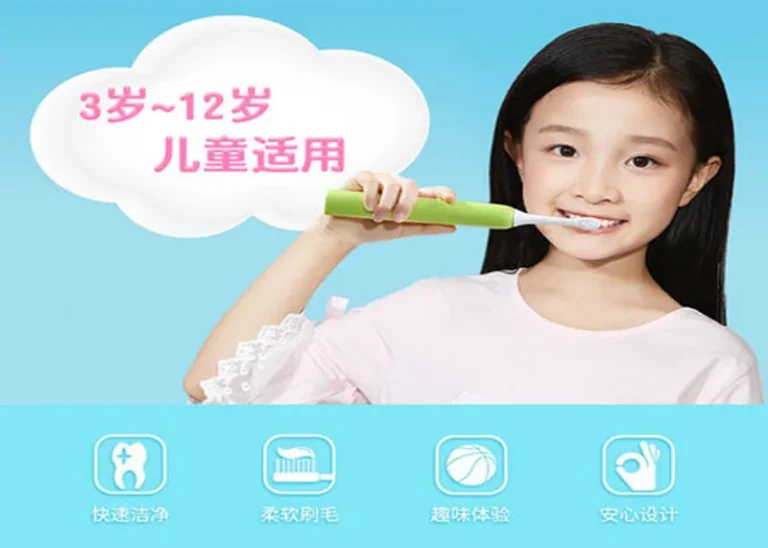
2. What is the appropriate age range for children to use their electric toothbrush?The children’s electric toothbrush usually applies to children aged 3 and over.
3. Is an electric toothbrush suitable for all children?For most children, the use of electric toothbrushes is safe and effective. However, if a child has specific oral problems or dental advice that an electric toothbrush should not be used, the dentist’s advice should be consulted.
4. How long is the battery of a child ‘ s electric toothbrush?The life of the battery in a child’s electric toothbrush varies from product to product. In general, the battery’s lifetime is several weeks or months, depending on the frequency of use and battery capacity.
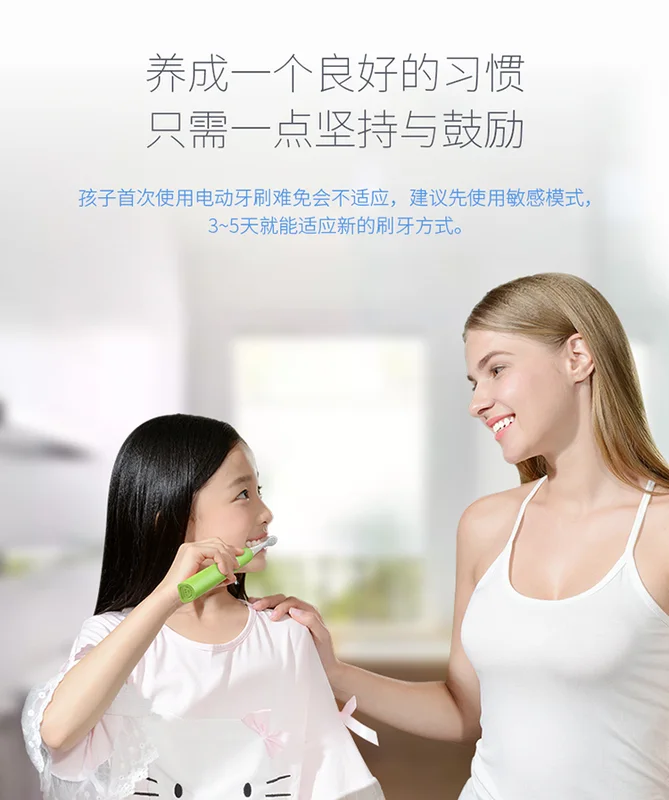
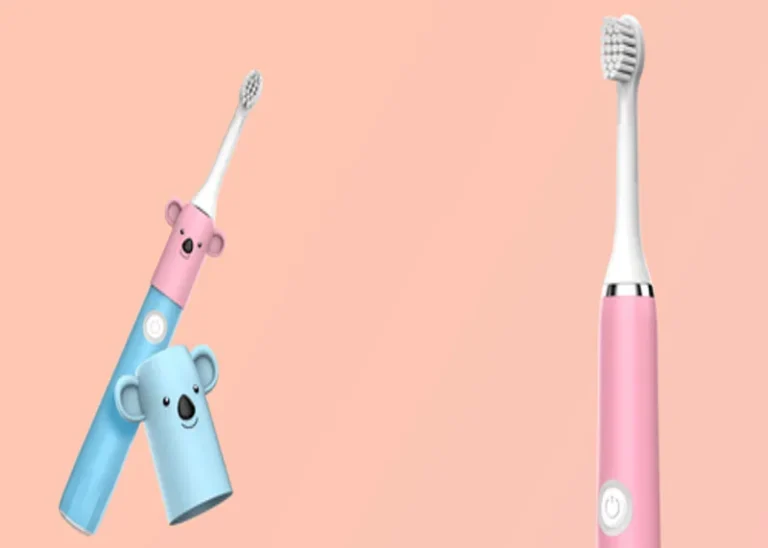
5. How can the use of electric toothbrushes be ensured for children?In order to make children like to use electric toothbrushes, it is important to consider choosing attractive and colourful designs or adding interesting features such as music or flashlights. It is also important to brush their teeth with children and encourage them to develop good oral hygiene practices.
V. Conclusions:
Through this paper, we have detailed steps and processes to customize children’s electric toothbrushes from design to delivery. Understanding the importance of each stage and the key steps can help us design safe, comfortable and effective electric toothbrushes that are responsive to the needs of children.
When choosing a child’s electric toothbrush, please ensure that professional advice is followed and the specific needs of the child are taken into account. Regular monitoring of children’s use of electric toothbrushes and good oral hygiene practices are carried out.
Related Reading
Electric Toothbrush OEM, ODM and OBM Models Compared | Aiwejay
探索电动牙刷OEM、ODM及OBM模式的优势和挑战。伟杰智能科技带您深入了解各模式背后的商业逻辑。
Small batch of electric toothbrush customized reduction programme: in-house decryption
引言在个性化消费崛起的今天,小批量电动牙刷定制需求激增,但高昂的生产成本常让品牌方望而却步。如何在不牺牲品质的前提下降低
The working principles of electric toothbrush and its composition - the Aiwejay electric toothbrusher
每天早上起来刷牙是我们必须要做的事,所以牙刷我们生活中不可或缺的物品,每天用牙刷刷牙可以有效的清理我们自己牙齿上的臭气和
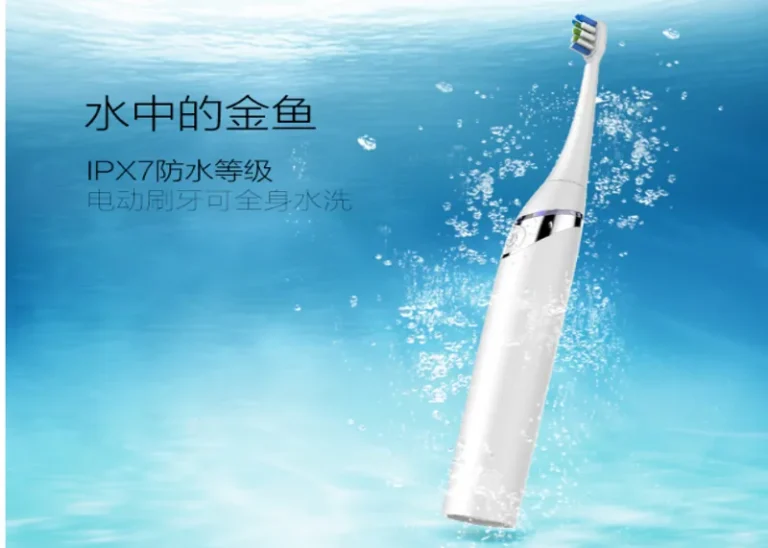
Aiwejay Electric Toothbrusher #8211; can electric toothbrush be waterproof?
多年以来电动牙刷已经走过了漫长的道路,现在电动牙刷使用声波技术,价格实惠,适合大多数人。牙齿可是身体最常用和最重要的部位
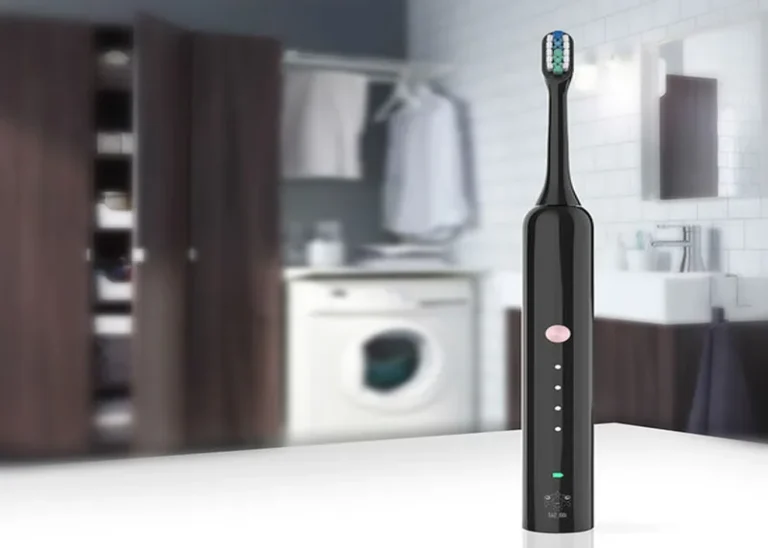
Characteristics of acoustic toothbrush - Aiwejay electric toothbrusher
电动牙刷厂家-伟杰智能为大家介绍一下声波电动牙刷都有哪些特点。声波电动牙刷具有UV刷头消毒剂,可有效刷牙。它由Sonic