Products
What’s a real ultrasound toothbrush, an ultrasound toothbrush brand, how do you classify ultrasound toothbrush, electric toothbrush and sonar toothbrush?
1, What’s a real ultrasound toothbrush?
First, there’s a difference between ultrasound toothbrush and sonar toothbrush.
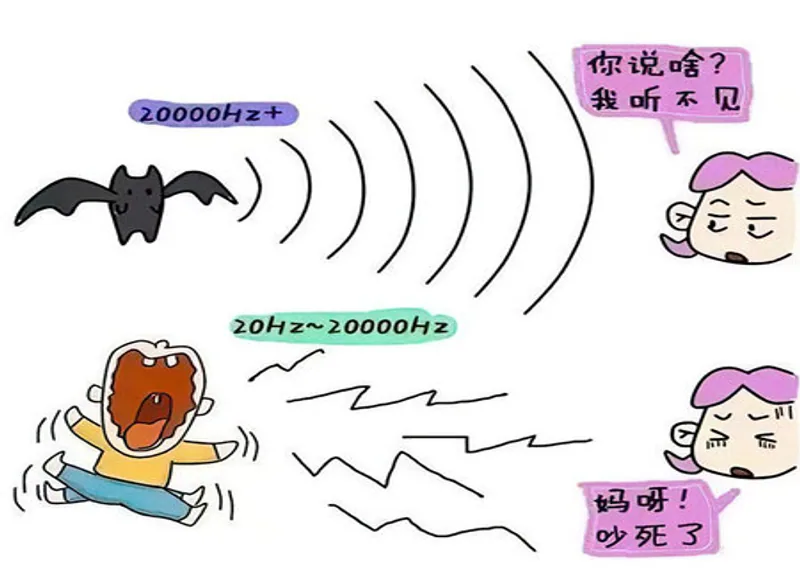
Ultrasound is a sound wave with a frequency above 20,000 Hz, which is well directed and penetrating, but cannot be heard. The judgement is that the real ultrasound toothbrush is mainly two points, and whether there are special vibrationors within the toothbrush that produce ultrasound and whether the Vibration frequency set by the toothbrush trademark is greater than 2000 Hz.
So, what’s the concept of a toothbrush vibrating frequency greater than 20,000 Hz?
It is the 2 per second (a rate of 120 per minute) that is vibrating 10,000 times per minute. On the list of technical parameters for ultrasound toothbrush products promoted by manufacturers as “single-crash” there is a parameter describing the frequency of a brush-brush, but this parameter does not necessarily mean the number of vibrations per second, many of which are actually the number of vibrations per minute.
Many consumers have been looking at 2 more than 10,000 times, but in fact it is far from the same. Only dividing the radio frequency assigned to the brochure by 60 is the true frequency, such as a toothbrush with an 31000 per minute, so that the vibration rate of its headbrush is only 517Hz.
2. Real ultrasound toothbrush brand
So far, the ultrasound toothbrush is relatively comparable.The mature brands are Ul-trasonex, EmegemaG, Germany, and so on.Other brands.Ultrasound toothbrush(e.g. Smilex, Ultreo and Megasonex)But it’s hard to see on the domestic level, whether offline.
The first ultrasound toothbrush was named Ultima, and then renamed Ultrasonex. The ultrasound toothbrush was patented in the United States and approved for domestic appliances by the US Food and Drug Regulatory Authority in 1992. The early ultrasound toothbrush had only ultrasound, but Ultrazonex introduced a model with an electric motor after a few years to provide users with additional acoustic vibration.
Ultrasonex ‘ s parent company was acquired in 2008 and withdrew from the oral health market.
Most electric toothbrushes, promoted as ultrasound toothbrushes, are just ordinary sonar toothbrushes. It is now judged whether the real ultrasound toothbrush is primarily two points, and whether there are special vibrationors within the toothbrush that produce ultrasounds and whether the vibrating frequency set by the toothbrusher trademark is greater than 20,000 Hz.
3. Categorization of ultrasound toothbrushes, electric toothbrushes, sonar toothbrushes
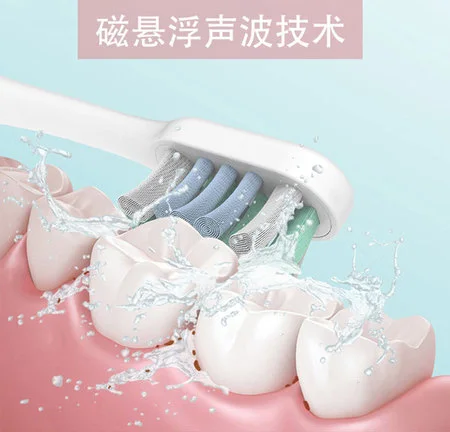
Electric toothbrushes can also be classified as generic electric toothbrushes, acoustic toothbrushes or ultrasound toothbrushes based on their rate of vibration.
A toothbrush can be classified as a sonar toothbrush if it is velocity enough to produce a buzzing (20 to 20,000 Hz) within the hearingable range, although the frequency range of such toothbrushes typically ranges from 200 – 400 Hz, i.e. 12,000 – 24,000 oscillations, or 24,000 – 48,000 fluctuations per minute.
Any electric toothbrush whose vibration speed exceeds the hearing range (20KHz, or 24,000 vibrations per minute) can be classified as ultrasound toothbrush.
Summary: The real voice toothbrush needs to be more than a frequency, 20,000 Hz, with the main brands being Ul-trasonex, Emega EMG, Germany.
Recommendations:
The difference between an electric toothbrush, acoustic toothbrush and an ultrasound toothbrush.
Related Reading

Electric Toothbrush Purchasing Guide
我们在接待客户时,品牌商和工厂采购电动牙刷,经常遇到的一些问题。有时候难以一下子说清楚,这里我整理一下指南,以供行业参考
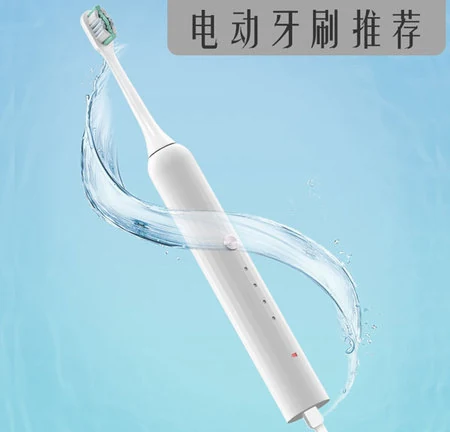
Choosing an Electric Toothbrush in 2021
进入2021年,很多人已经逐渐采用电动牙刷刷牙的方式。市场上的国产电动牙刷种类多,质量不一,选对电动牙刷很重要,那么如何
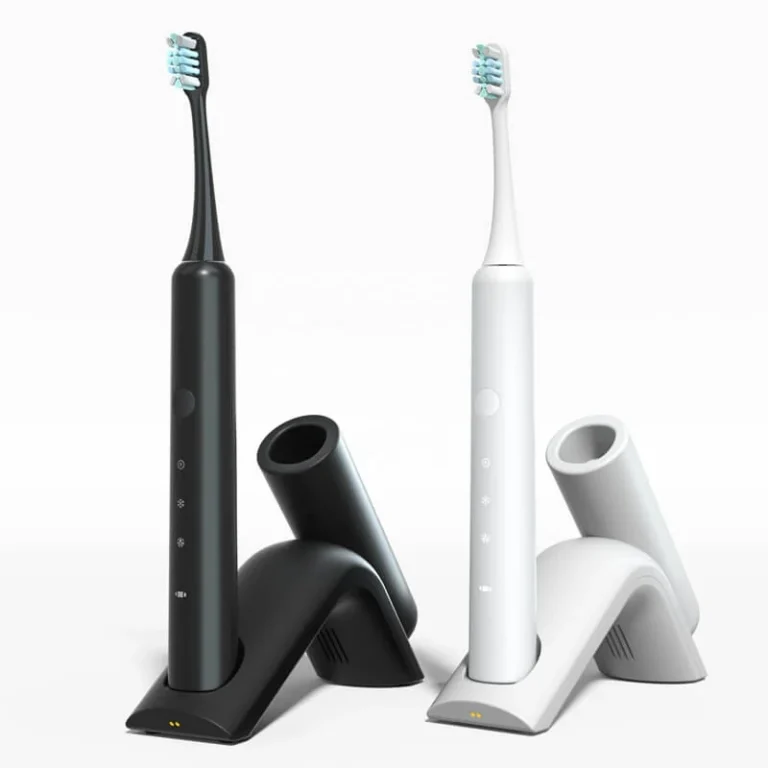
Helping Everyone Brush Correctly
我们希望电动牙刷进入到千家万户,让每个人都学会使用电动牙刷刷牙,让每个人都免受牙齿问题口腔问题的疼痛。
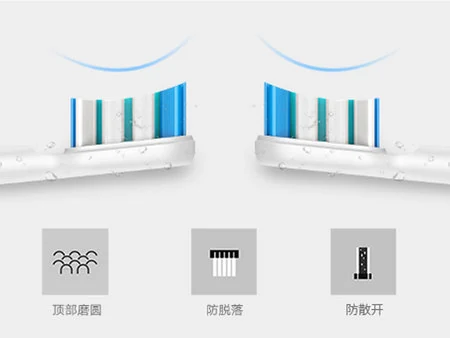
Detailed rounding rate for electric toothbrush: national standard regulation and selection guide
了解电动牙刷磨圆率的重要性及国家标准GB 39669-2020的规定,探索伟杰智能的电动牙刷,确保每次刷牙都温和有效,保
The difference between electric toothbrush and ordinary toothbrush is five main aspects.
电动牙刷和传统牙刷有哪些区别呢?电动牙刷对比手动牙刷有哪些优势?到底谁强谁弱,咱们从以下五方面来看看吧!一、电动牙刷和普