Products
The electric toothbrush is a convenient and efficient means of mouth cleaning, using electrical energy instead of hand-brushing teeth, which reduces the burden on people to brush their teeth, and increases their efficiency and effectiveness. The invention and spread of electric toothbrushes also greatly boosts oral health technology.How did the electric toothbrush work? Why was it called a sonic wave?Let’s get a little closer.

I. The process of manufacturing electric toothbrushes
The manufacture of electric toothbrushes.The following are detailed steps in the manufacturing process for electric toothbrushes:
1, Design and Development: The manufacture of electric toothbrush is first to be designed and developed, usually by engineers and designers. They consider the shape, size, material, circuit boards and controllers of electric toothbrushes.
2, Manufacturing Batteries: Electric toothbrushes require batteries to provide power. These batteries are usually lithium ion batteries that provide electrical energy through specific chemical reactions.
3. ManufactureSoundwave electricsThe electric toothbrush uses an electric power to turn the vibration and brush. The electrical power is usually made up of wires, electronic components and electromagnetic fields.
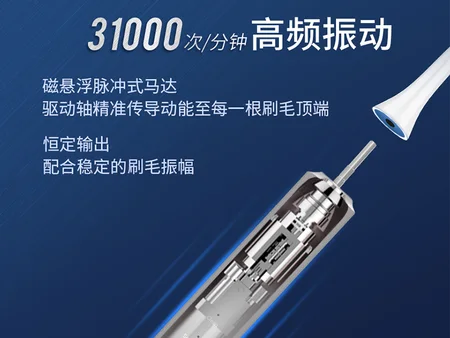
4. Manufacture of vibrationrs: Vibrationors are one of the core components of electric toothbrushes. They are cleaned by the electrician rotation that creates vibrations, which boosts the brush. Vibrationors require sophisticated processing and testing equipment.
5. Manufacturing control circuits: Control of circuits is one of the core parts of electric toothbrushes. It controls electrical machines, vibrations and brushes.
6, manufacturing brush: The brush is the most directly exposed part of an electric toothbrush. The brush usually consists of brushes, brushes and seals.
7, assembly and testing: After the components have been manufactured, assembly and testing are required.
ii. Why is the electric toothbrush called a sonic wave?
The vibrations of an electric toothbrush are in two categories: rotational and acoustic. The brushes of a rotating electric toothbrush rotate on a fixed axis, cleaning the teeth by brushing the hair. The acoustic electric toothbrushes use high frequency vibrations to clean the teeth.
The vibration of acoustic electric toothbrush is usually between 20,000 and 40,000 Hertz, which is called ultrasound. Ultrasound can produce small pressure changes in water, thus forming tiny bubbles that can reach into the tiny cracks of the teeth, defusing, relaxing and removing the stains on their surfaces and bacteria.
However, acoustic waves are not the only source of electric toothbrush vibrations, and in practice most of the acoustic electric toothbrushes are used as a different technology called “vibration technology.” This technology uses the internal vibrations of the electric power, rather than the sound waves, to generate vibrations. By moving through the internal electric power, they produce a certain frequency of vibrations that can be transmitted to the teeth surface through the brush of the electric toothbrush, which can have clean effects.
In general, acoustic vibration is a common technique in electric toothbrush manufacturing, which uses ultrasound to generate vibrations and transmits them to the teeth surface through toothbrush head. In practice, acoustic vibrations also need to be adapted and optimized to the design and brand characteristics of electric toothbrushes in order to achieve optimal cleanness.
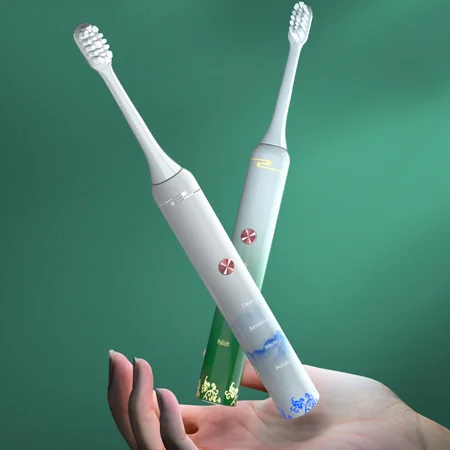
III. Presentation of conclusions on the manufacture of electric toothbrushes
In short, the manufacture and design of electric toothbrushes require multiple steps and sophisticated components to ensure their efficient cleanness and long-term reliability. While the cost of electric toothbrushes is higher than that of traditional toothbrushes, they are cleaner and more user-friendly, especially for those with oral health problems or who are physically indisposed to using traditional toothbrushes.
By gaining a better understanding of the principles and functions of electric toothbrushing, we can better understand its principles and function and make better choices about our oral health. We therefore encourage you to choose your own electric toothbrush in choosing dental care tools to maintain good oral health.
Related articles:
How do you choose the right child electric toothbrushing plant?
Batch-driven toothbrush stickers: necessary procurement techniques and channels for traders
Customized electric toothbrush production: full process resolution from design to production
Related Reading
Electric Toothbrush OEM, ODM and OBM Models Compared | Aiwejay
探索电动牙刷OEM、ODM及OBM模式的优势和挑战。伟杰智能科技带您深入了解各模式背后的商业逻辑。
Small batch of electric toothbrush customized reduction programme: in-house decryption
引言在个性化消费崛起的今天,小批量电动牙刷定制需求激增,但高昂的生产成本常让品牌方望而却步。如何在不牺牲品质的前提下降低
The working principles of electric toothbrush and its composition - the Aiwejay electric toothbrusher
每天早上起来刷牙是我们必须要做的事,所以牙刷我们生活中不可或缺的物品,每天用牙刷刷牙可以有效的清理我们自己牙齿上的臭气和
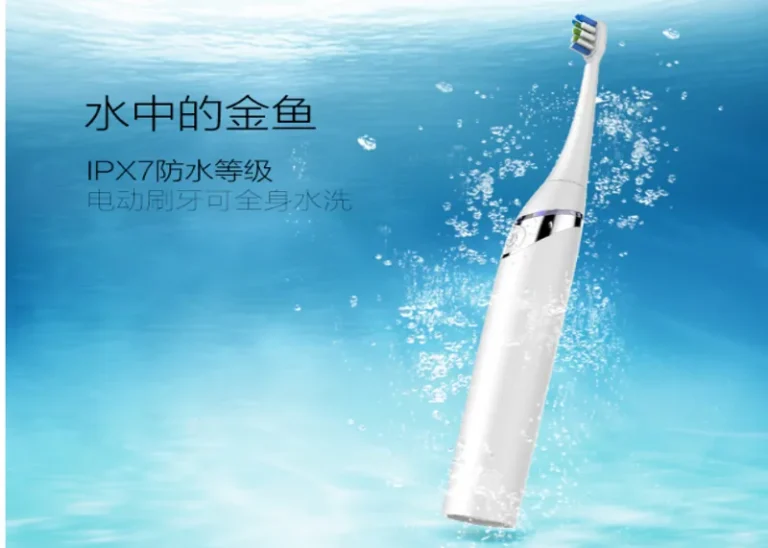
Aiwejay Electric Toothbrusher #8211; can electric toothbrush be waterproof?
多年以来电动牙刷已经走过了漫长的道路,现在电动牙刷使用声波技术,价格实惠,适合大多数人。牙齿可是身体最常用和最重要的部位
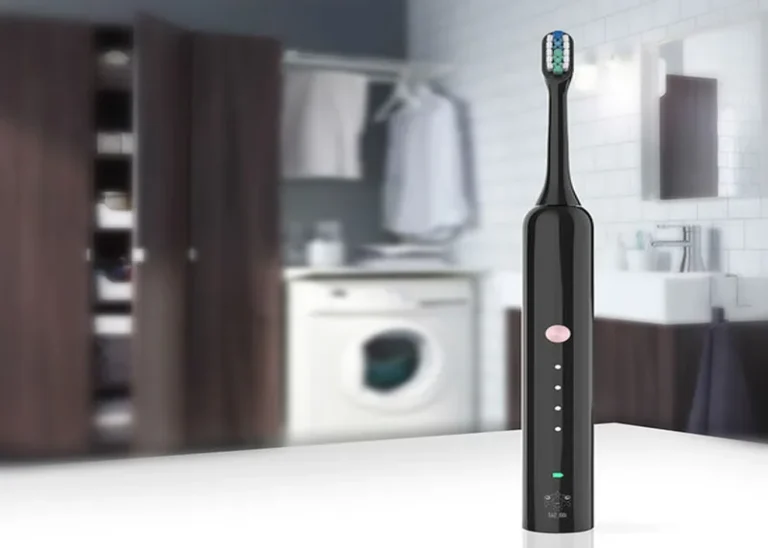
Characteristics of acoustic toothbrush - Aiwejay electric toothbrusher
电动牙刷厂家-伟杰智能为大家介绍一下声波电动牙刷都有哪些特点。声波电动牙刷具有UV刷头消毒剂,可有效刷牙。它由Sonic