Products
Introduction
As dental care technology continues to improve, electric toothbrushes are becoming the preferred choice for a growing number of people to brush their teeth on a daily basis.Sonic Electric ToothbrushandNormal electric toothbrush.These are two of the most common options. While their basic functions are similar - they are designed to help people clean their teeth more efficiently and thoroughly - there are many differences in their working principles, clean-up effects, comforts, etc. Understanding these differences can help consumers make more appropriate choices based on individual needs.
This paper will explore the difference between acoustic electric toothbrushes and ordinary electric toothbrushes in detail, and analyse their respective advantages to help you better understand which electric toothbrushes are best suited to you.
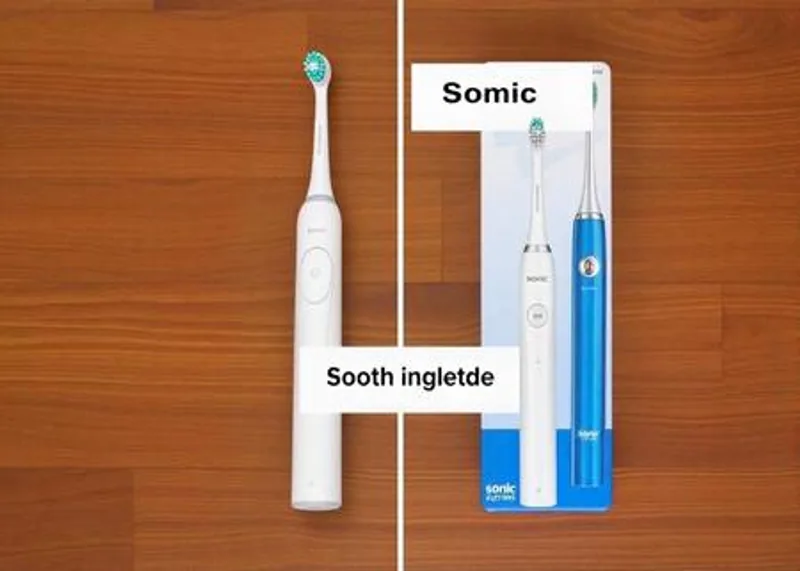
Acoustic electric toothbrushes and ordinary electric toothbrushes
H2: The operation of acoustic electric toothbrushes and ordinary electric toothbrushes
H3: The principles of sound wave electric toothbrushes
Unlike normal electric toothbrushes, acoustic toothbrushes use high-frequency acoustic vibrations to clean teeth. Specifically, the brushes of acoustic electric toothbrush move rapidly at tens of thousands of high-frequency vibrations per minute, which not only remove the toothbrushes directly from the surface of the teeth, but also produce small bubbles and water currents, deep-water penetration through the stitches of teeth and jaws, and remove stains and bacteria that are difficult to remove with ordinary toothbrushing.
This acoustic vibration not only improves the efficiency of tooth brushing, but also helps to clean up the surface of teeth and areas on the edge of the tooth. Especially at the intersection of teeth and teeth, where traditional handbrushes or ordinary electric toothbrushes are difficult to access and where soundbrushes can be fully cleaned.
-
Frequency: Acoustic electric toothbrushes usually have between 30,000 and 40,000 vibrations per minute, which enables them to provide a strong and detailed clean-up effect.
-
Bubbles and currents: Small bubbles from high frequency acoustic waves can penetrate between teeth and toothbrush, which effectively removes toothbrush spots and prevents toothbrush disease.
H3: The principle of normal electric toothbrushes
The normal electric toothbrush is relatively simple. It rotates or re-moves quickly through battery-driven brushes, which help brush the teeth and rub them on the surface, removing the stains and specter of the teeth.RotationandReset. The rotated brush rotates at 360 degrees, while the rear-to-up brush moves quickly back and forth.
The general electric toothbrush movement pattern relies mainly on brushing of physical friction to clean teeth, but it does not produce bubbles or currents like acoustic electric toothbrush, so its cleaning depth is usually less than acoustic electric toothbrush. It usually has a lower vibration frequency, usually between several thousand and 20,000 times per minute, which means that its cleanness is relatively limited.
-
Frequency: The normal electric toothbrush is usually vibrated between 5,000 and 20,000 times per minute.
-
Cleaning principles: The main reliance is on brushing rotation or retroactivity to clean teeth, less involving hydrodynamics.
H2: Major differences between acoustic electric toothbrush and normal electric toothbrush
H3: Vibration frequency and cleaning effects
Vibration frequency directly affects the cleanness of toothbrushes. The vibration rate of acoustic electric toothbrush is much higher than that of an ordinary electric toothbrush, which means it can provide more detailed and more thorough cleaning. Higher vibration frequency makes brushing more efficient, not only by removing stains on the teeth ' surface but also by cleaning deep gaps between teeth and removing gumbrush marks from areas where conventional cleaning methods are not accessible.
Common electric toothbrushes have a lower vibration frequency and relatively more superficial cleaning effects. While it can also effectively remove stains on teeth, the cleanness of ordinary electric toothbrushes is somewhat less significant than that of acoustic electric toothbrushes, especially in areas where cleaning is difficult to access.
-
Sound wave electric toothbrush: HF vibrations can penetrate the teeth and cavities and remove hard-to-reach toothbrush spots.
-
Normal electric toothbrush: The effects of cleaning are concentrated on the teeth surface, which makes it difficult to get into clean teeth.
H3: Toothbrushing patterns and use experience
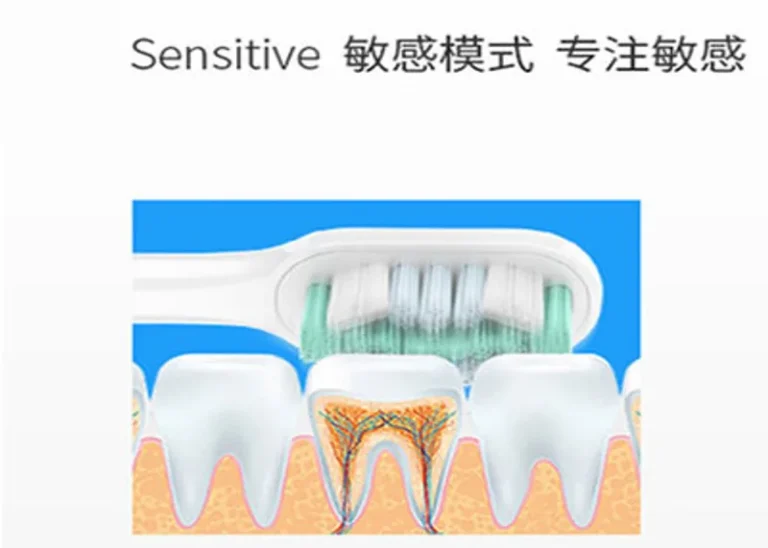
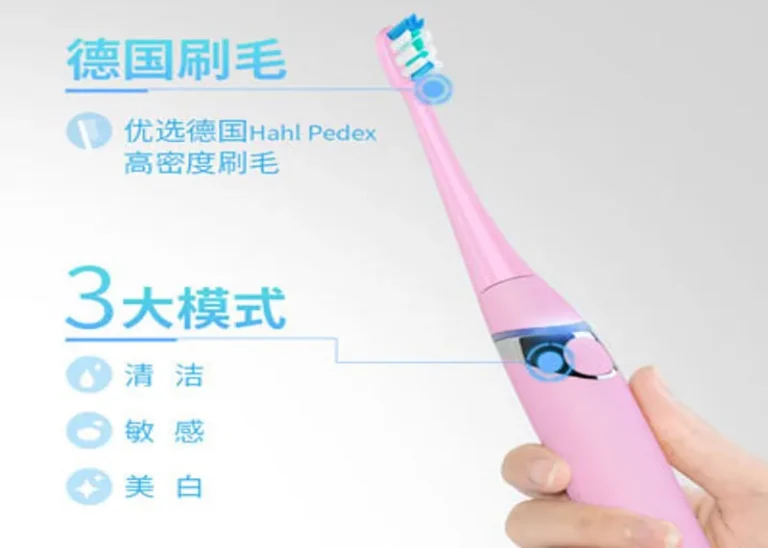
Acoustic electric toothbrushes are often equipped with multiple models of tooth brushing to suit different needs. For example, many sound-brush electric toothbrushes have deep cleaning, sensitive patterns, and dental massages. Users can choose the most suitable model for their oral health status.
By contrast, the normal electric toothbrush model is usually simpler, usually with only one or two models, which are less powerful than acoustic electric toothbrushes. Many basic electric toothbrushes have only one clean mode and experience is more uniform.
-
Sound wave electric toothbrush: Multiple brushing models, adapted to different user needs.
-
Normal electric toothbrush: The function is single, and the brushing pattern is relatively small.
H3: Comfort and user adaptability
Acoustic electric toothbrushes usually provide better comforts for more sensitive users. They are less irritated by soft, high-frequency and low-intensity brushes.
In addition, the high efficiency of sonar electric toothbrush cleaning and relatively short brushing times can also reduce dental damage caused by excessive toothbrushing.
-
Sound wave electric toothbrush: The brush is soft, suitable for sensitive teeth, clean and efficient, and does not easily cause discomfort when brushing.
-
Normal electric toothbrush: Scratching is hard and can stimulate sensitive toothpaste.
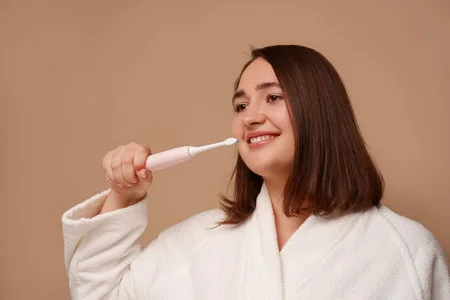
H2: Acoustic electric toothbrush advantages
H3: Upgrading dental health
The high-frequency vibration of acoustic electric toothbrush can go deep into cleaning the teeth and teeth, removing the hard-to-remote gumbreeds, and helping to prevent oral problems such as dental inflammation and dentures.
H3: Improvement of oral hygiene practices
The cleanness of acoustic electric toothbrushes is more significant than that of hand-brushing teeth, which motivates users to perform oral care more frequently. In addition, many acoustic electric toothbrushes are equipped with timers, reminding users of the length of brushing their teeth, thus ensuring that each brush meets the recommended criteria and helps to develop good oral hygiene habits.
H3: Fits to sensitive dental users
Acoustic electric toothbrush is designed to be more mild, with high and moderate vibration frequency, and experience is more comfortable for dentally sensitive users. And common electric toothbrush brushes are harder, with high vibration intensity, which can stimulate sensitive toothbrushes.
H2: Advantages of ordinary electric toothbrushes
H3: More pro-people prices
Common electric toothbrush prices are more pro-people than sonar toothbrushes. For users with limited budgets, ordinary electric toothbrushes offer a more economical option and their cleanness is sufficient to meet daily dental care needs.
H3: Easy to use
Common electric toothbrushes are usually not too complex and simple to understand. Most ordinary electric toothbrushes have only one or two models, which are used in a very intuitive manner, especially for users who do not like excessive settings.
H2: How to choose an electric toothbrush that suits you
H3: Select function according to needs
If you focus on deeper cleaning, especially where the teeth and teeth intersect, the acoustic electric toothbrush is clearly a better choice. It not only cleans the surface of the teeth completely, but also reaches between the teeth and teeth to prevent oral disease. If you have dental problems or want to improve your oral health, the acoustic electric toothbrush is certainly the best option.
If your budget is limited and you need only a basic electric toothbrush for daily cleaning, the ordinary electric toothbrush is sufficient to meet basic needs.
H3: Based on budget selection
The budget is also a factor in choosing an electric toothbrush. If you want to improve your oral health while getting more functionality, the acoustic toothbrush is an investmentable option.
Conclusions
In conclusion, sound-wave electric toothbrushes and ordinary electric toothbrushes each have their own unique advantages. With their high frequency vibrations and sound-cleaning techniques, they provide deeper, more nuanced, cleaner, especially for users who seek oral health.
As a professional.Electric toothbrush manufacturer,Aiwejay TechnologyYou can provide a suitable solution for your client to achieve healthier oral care.
Related Reading

Electric Toothbrush Purchasing Guide
我们在接待客户时,品牌商和工厂采购电动牙刷,经常遇到的一些问题。有时候难以一下子说清楚,这里我整理一下指南,以供行业参考
Choosing an Electric Toothbrush in 2021
进入2021年,很多人已经逐渐采用电动牙刷刷牙的方式。市场上的国产电动牙刷种类多,质量不一,选对电动牙刷很重要,那么如何
Helping Everyone Brush Correctly
我们希望电动牙刷进入到千家万户,让每个人都学会使用电动牙刷刷牙,让每个人都免受牙齿问题口腔问题的疼痛。
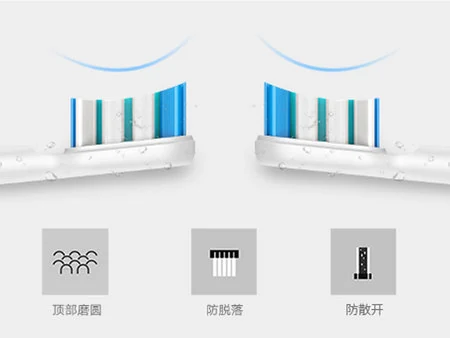
Detailed rounding rate for electric toothbrush: national standard regulation and selection guide
了解电动牙刷磨圆率的重要性及国家标准GB 39669-2020的规定,探索伟杰智能的电动牙刷,确保每次刷牙都温和有效,保
The difference between electric toothbrush and ordinary toothbrush is five main aspects.
电动牙刷和传统牙刷有哪些区别呢?电动牙刷对比手动牙刷有哪些优势?到底谁强谁弱,咱们从以下五方面来看看吧!一、电动牙刷和普