Products
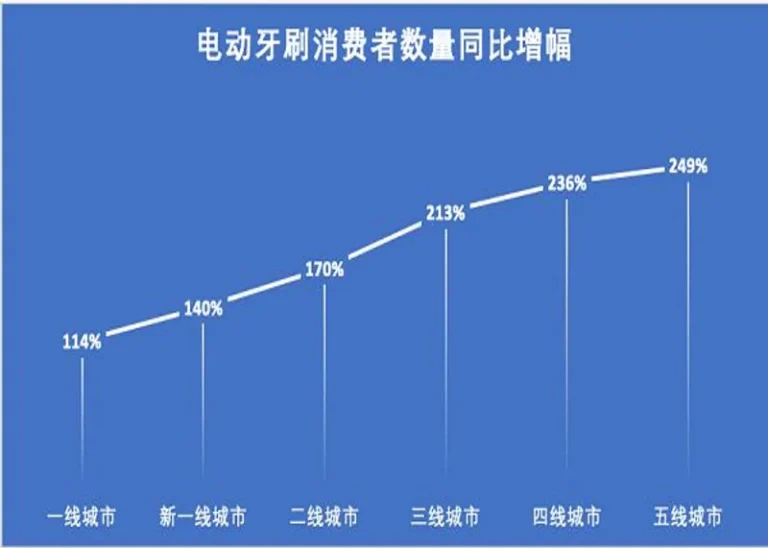
More and more people are now paying attention to their oral health, and more and more friends around them are using electric toothbrushes. Using electric toothbrushes is a way of keeping their daily mouth clean and corternant white, but people tend to ignore one detail when cleaning their teeth: changing their head regularly. The brushing is not changed in time, the brushing is breeding a lot of bacteria, and the persistent use of such impure toothbrushes can have a negative impact on oral health.
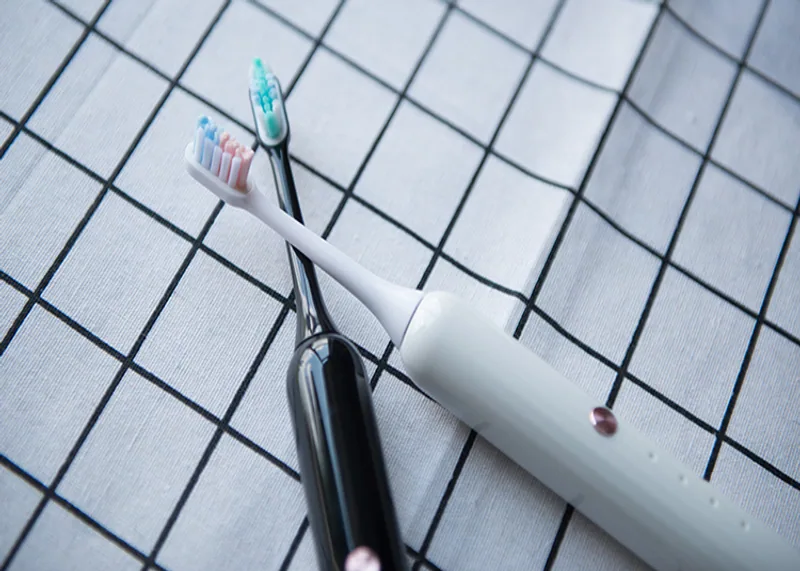
With regard to the frequency of replacement of electric toothbrush brushes, dentists recommend that it be replaced every three months. This is due to:
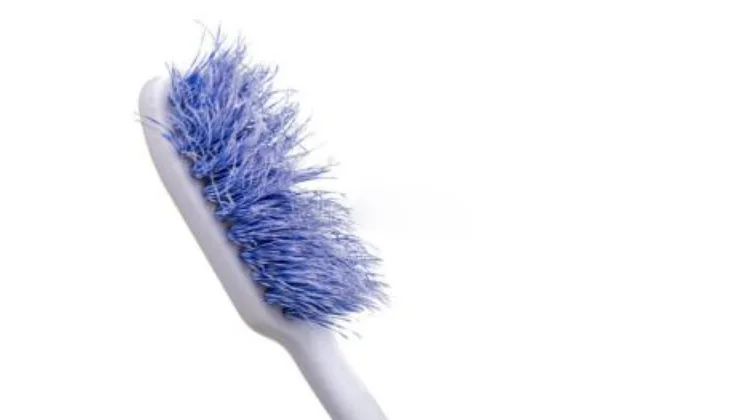
S brushes are often used repeatedly over a long period of time, and brushes are bent and worn, and the cleanness of brushes is significantly reduced.
The most common method of ploughing is still traditional metal-planting techniques, and the brushes of metal-planting have a disadvantage: they need to be implanted in the bottom to achieve a more solid brush. Metal chips are not sealed, and in brushing their teeth, they oxidize, nourish bacteria, and are useless to humans. Moreover, there is a risk that the pieces will fall off, enter the mouth during the use of toothbrushes, enter the body through the feeding channel, and become a major hazard.
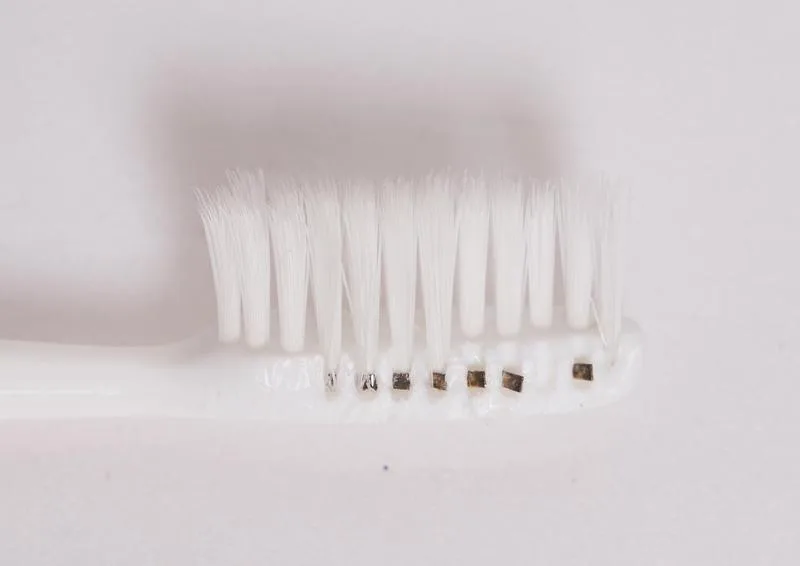
Teethbrushes with traditional metal ploughing techniques
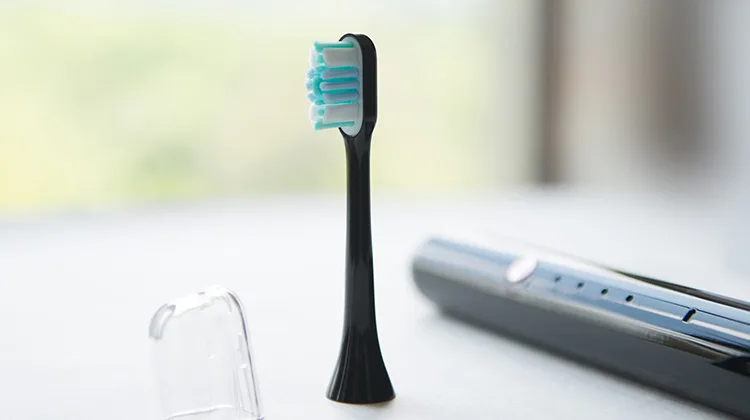
So, the young writer suggested a toothbrush that was built with the latest hair-planting technology - Goldfish electric toothbrush with white-colored toothbrush. The newest world-wide hair-planting technique is the one that uses this type of brushing.
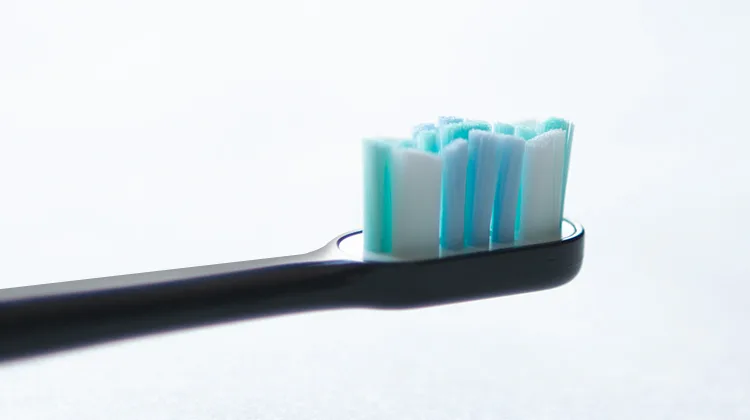
A toothbrush without metal ploughing techniques
The amount of gross brush under metalless wool is also significantly increased, to about 28 per cent more than the amount of gross brush under metal-planting techniques.
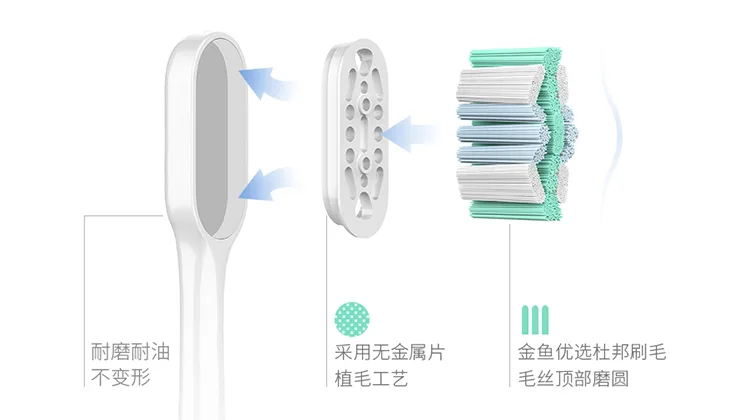
From the roots.
Goldfish electric toothbrushes with white-brush hairs are used to import the U.S. DuPont brush, brush tops to grind round, soft and unharmed, and to enter. Wave shape designs, more deep into the teeth gap, such as a close to the teeth, and more exposed.
Related Reading

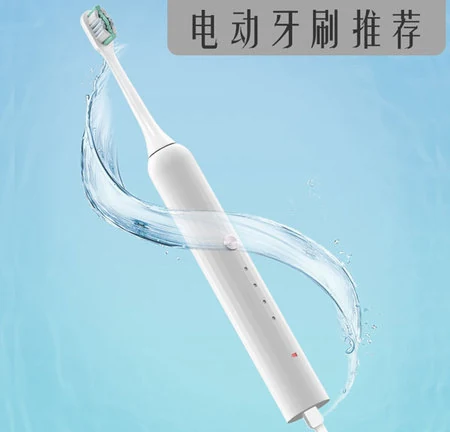
Electric Toothbrush Purchasing Guide
我们在接待客户时,品牌商和工厂采购电动牙刷,经常遇到的一些问题。有时候难以一下子说清楚,这里我整理一下指南,以供行业参考
Choosing an Electric Toothbrush in 2021
进入2021年,很多人已经逐渐采用电动牙刷刷牙的方式。市场上的国产电动牙刷种类多,质量不一,选对电动牙刷很重要,那么如何
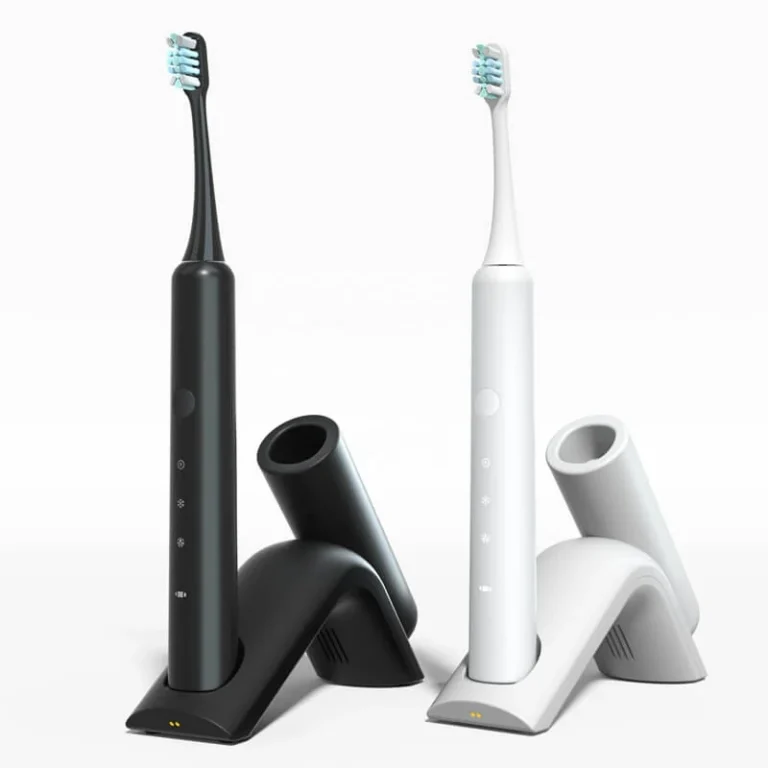
Helping Everyone Brush Correctly
我们希望电动牙刷进入到千家万户,让每个人都学会使用电动牙刷刷牙,让每个人都免受牙齿问题口腔问题的疼痛。
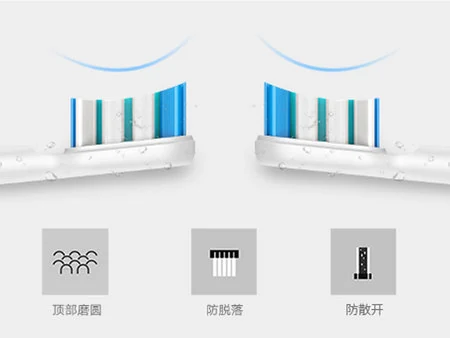
Detailed rounding rate for electric toothbrush: national standard regulation and selection guide
了解电动牙刷磨圆率的重要性及国家标准GB 39669-2020的规定,探索伟杰智能的电动牙刷,确保每次刷牙都温和有效,保
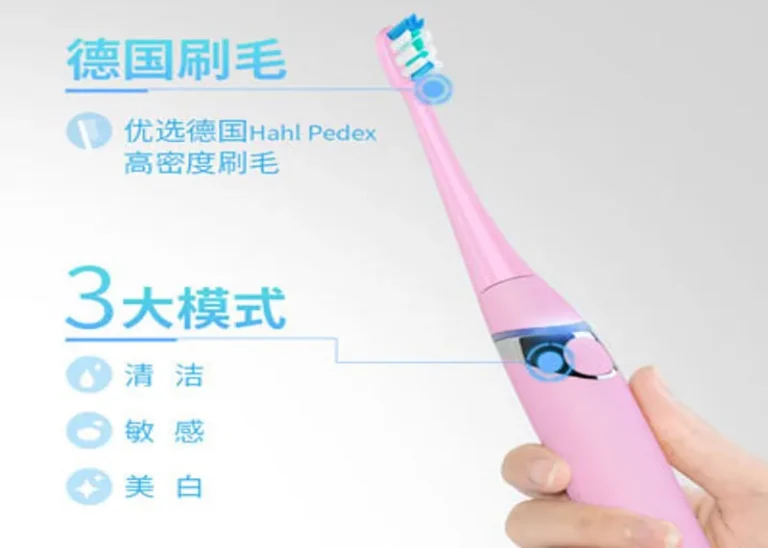
The difference between electric toothbrush and ordinary toothbrush is five main aspects.
电动牙刷和传统牙刷有哪些区别呢?电动牙刷对比手动牙刷有哪些优势?到底谁强谁弱,咱们从以下五方面来看看吧!一、电动牙刷和普