Products
The brushing of electric toothbrushes is one of its most important components, directly affecting the effect of toothbrushing, comfort and user experience. As a sophisticated dental care tool, it requires not only good cleaning but also durable and comfortable use over long periods of time.
This paper will provide a detailed analysis of the process of manufacturing electric toothbrush brushes and the techniques behind them, in many ways, to show you how these seemingly simple little parts are made from precision processes.
I. Composition of the electric toothbrush brush
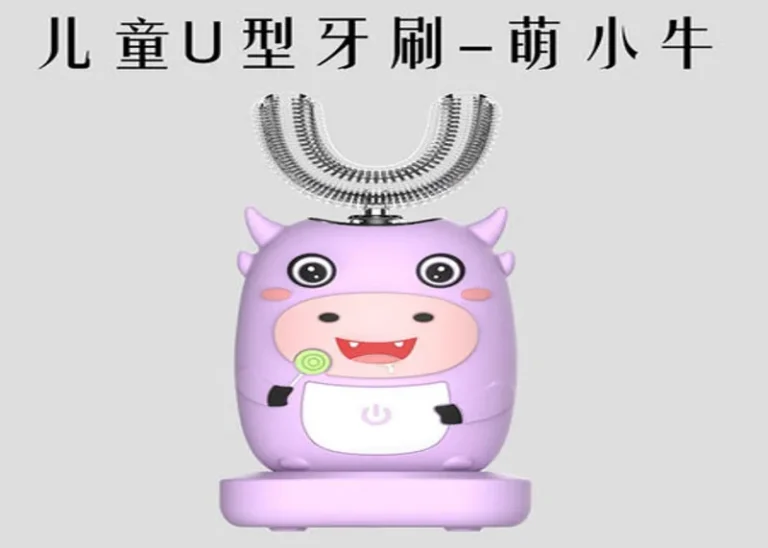
Electric toothbrush.
The electric toothbrush is usually composed of brushes, head-stands, nodes and waterproof designs. Each part plays a different but vital role in ensuring that the brush works efficiently, comfortably and safely.
1. Shape brush: key cleaning components
The brush is the most directly exposed part of the toothbrush, so its material, design and organization directly affects the performance and comfort of the toothbrush.NIROUND、PolyesterorNatural hairThe materials, of which nylons are the most common, are water-resistant and resilient, and can effectively maintain the shape of brushing.
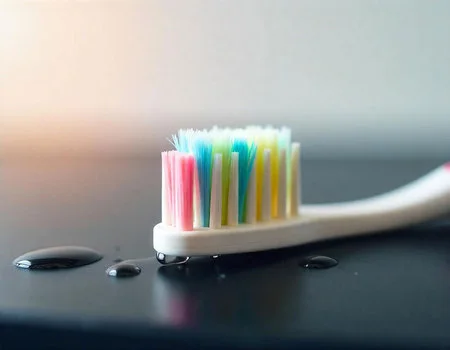
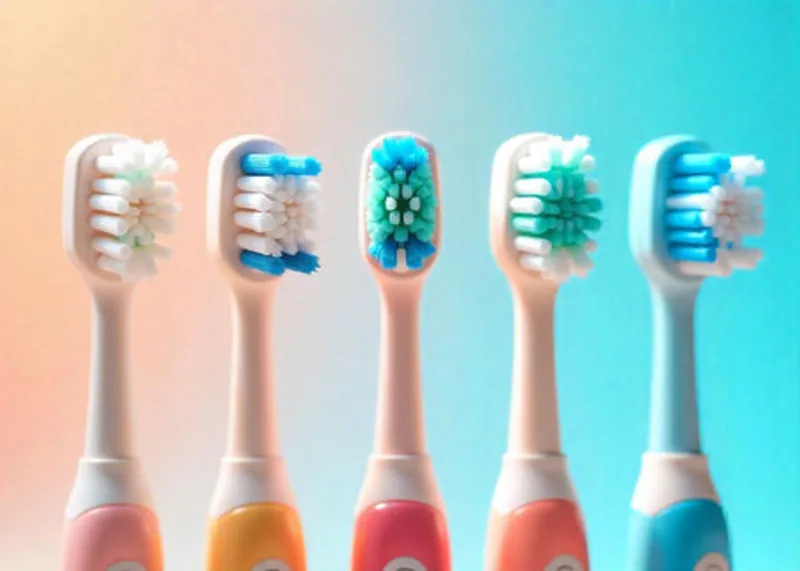
Electric toothbrush brushes.
-
Soft and hard-crop designSoft hair is a direct influence on the experience of brushing teeth. Soft hair is suitable for sensitive people, reducing dental stimulation and wear. Hard hair brushes are appropriate for people with higher cleaning needs, and can more effectively remove stubborn tooth mud and stone from the surface of their teeth.
-
Brushing SortingThe way in which brushes are organized has an important impact on the cleanness. Modern electric toothbrush brush designs are becoming more sophisticated, such as those that use “V” brushes, which are better adapted to the curves of the teeth' surface and thus make them cleaner.
-
Scratch density and formThe density and form of brushing is also closely related to the effect of brushing teeth. High density brushes provide greater cleanness, which is suitable for removing more toothpaste, while lower density brushes are used to rub teeth more softly and for sensitive mouth users.
2. Headbrusher: Carrying brushing support
The brush is the infrastructure that supports the brush, which usually is made byABS plasticsorNyron materialMade. To ensure the stability and useful life of the brush, the brushing rack must be sufficiently strong and resilient.
-
Design requirementsThe brusher must be designed to ensure evenly and stable brushing. A good brush is effective in avoiding the tilt or fall of brushing during use, thus ensuring consistent cleanness of brushes.
-
Structure and comfortThe headbrusher structure usually takes into account the comfort of the user, for example, by designing curves that fit human oral structures to suit the needs of different parts of the body. Some high-end electric toothbrush headbrushing frames are also designed to reduce the discomfort caused by exposure to the headbrush and mouth.
3. Console segment: connection to handles
The interface of the electric toothbrush is where the brush is connected to the handle of the electric toothbrush, and this part directly determines the ease and stability of the brushing.stainless steel.orHigh-intensity plasticsProduction, capable of enduring long-term use and friction.
-
Plugin DesignMost of the brushes are designed with an interpolated structure to enable users to change their brushes according to demand. A good extraction design not only ensures that the brushes are firmly connected to the handle, but also avoids water infiltration into the joints and prolongs the life of the electric toothbrush.
-
Durable and corrosiveThe interface requires a strong corrosivity, as electric toothbrushes are often exposed to water. High-quality stainless steel materials can effectively prevent rust and corrosion of the docking components from being exposed to the moisture for prolonged periods.
4. Waterproof design: ensuring safety and durability
The electric toothbrush brush needs to be protected from a large amount of moisture during the brushing process, but also to ensure that it is used safely in a damp environment. Waterproof design becomes one of the core techniques for electric toothbrushing.
-
Seal DesignThe head and handle are to be fitted with a seamless seal to prevent water infiltration into the brush and damage to the internal circuit of the electric toothbrush. Usually, the head is protected by a seal or glue between the brush and the joint section to ensure that the water does not penetrate through the suture.
-
High temperature and tide resistanceIn addition to waterproofing, the swirling and heat-resistant nature of brushes are important. The electric toothbrush is washed with multiple high temperature currents, so the material needs to be better heat-resistant and less humid, ensuring that it is not inverted at high temperatures.
II. Production process for electric toothbrush brushes
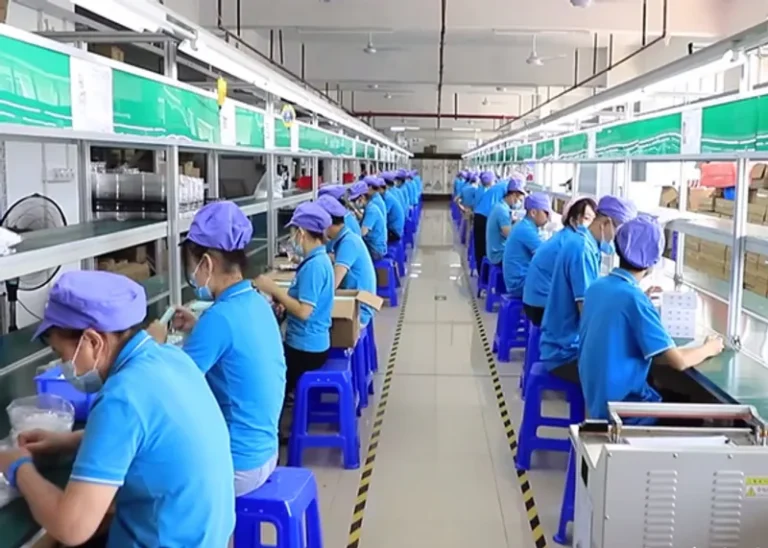
The following are the main processes for the production of electric toothbrush brushes:
1. Preparation and handling of brushes
The choice and processing of brushes is the first step in the production of brushes.
-
Brushing processThe tip of a brush is usually “rounded” by softening and grinding the tip of a brush to avoid irritating or hurting teeth during brushing. Through this process, the brushing touch becomes softer and more comfortable.
2. Embossing of headbrusher
The headbrusher is usually produced byNote plasticization technology. This process is used to heat up materials such as ABS plastics into melting, and then inject them into the mould, cooling them and forming them. The brushing frame after formation requires precision repair to ensure that it meets the design requirements.
-
High-precision molds: To ensure the stability and durability of the brush, the precision of the moulds used in production is very high. Through precision processing, each detail of the brush is made strictly according to design requirements to ensure that brushes are organized and worked in a stable manner.
3. Organization and fixing of headbrushes
The brushing is an important part of the brushing. The brushing is usually done by machine into a hole in the headbrush, and then fixed using special glue or heating. This process needs to be controlled precisely to ensure that the brushing is organized and firmly secured.
-
Shapeing and fixing: The alignment of brushing and the stability of brushing have a direct impact on the use of brushes. To ensure this, production lines usually use automation equipment to arrange and fix brushes, ensuring that each brush is located precisely at the intended position.
4. Checking and quality control of brushes
The final step in the production process is a full quality check of the brush.
-
Durable testing: To ensure the durability of brushes, the manufacturer usually performs simulation tests for brushing, such as repeated brushing, long-term impregnation and ensuring that they are able to maintain good performance in all use environments.
III. How can an appropriate electric toothbrush brush be selected?
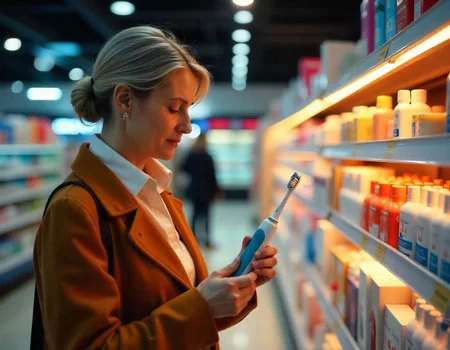
Picking up electric toothbrush brushes.
The selection of an electric toothbrush brush, in addition to its material and manufacturing process, should be based on individual needs:
-
Select the brush hardness according to the toothbrush state.For groups with more teeth sensitivity, soft brushes can reduce the incentives; for those with higher cleaning needs, hard brushes can be chosen to enhance cleanness.
-
Change brushes regularly: The useful life of the electric toothbrush is limited and it is usually recommended that it be replaced every 3 month to maintain the brushing effect and oral health.
-
Select a brush that matches the handle: The electric toothbrush of different brands and models may use different types of brushes, so it is selected to ensure that brushes are compatible with the handle of the electric toothbrush.
Aiwejay Technology - your professional electric toothbrush manufacturer
Aiwejay Technology, as a family focused onElectro-teeth brush development and productionWe're working on high quality.Electric toothbrush headEnsure that each brush is of a strict quality standard, helping users to achieve optimal oral clean-up.
Related Reading
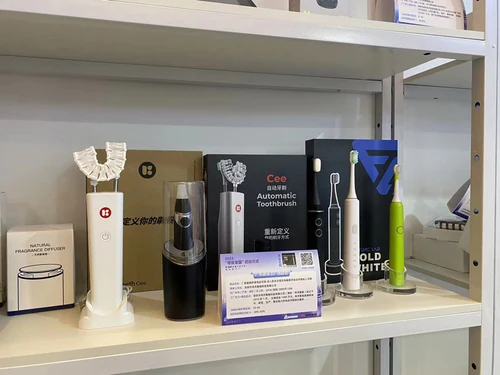
Electric Toothbrush OEM, ODM and OBM Models Compared | Aiwejay
探索电动牙刷OEM、ODM及OBM模式的优势和挑战。伟杰智能科技带您深入了解各模式背后的商业逻辑。
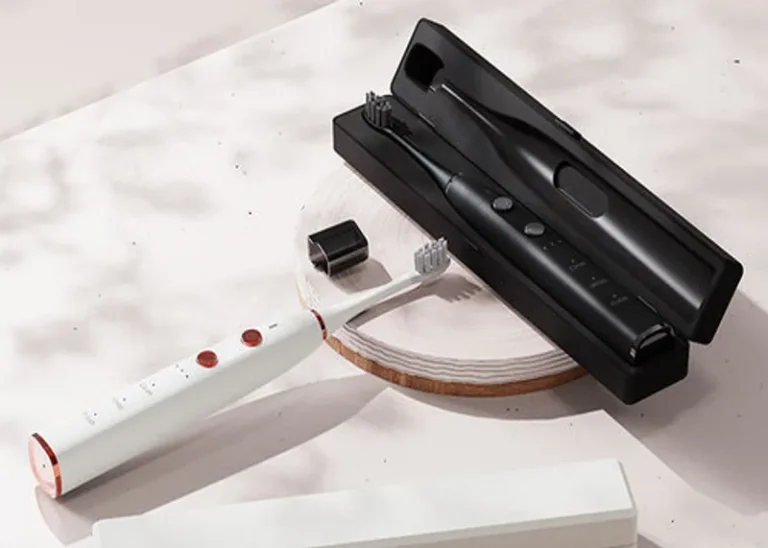
Small batch of electric toothbrush customized reduction programme: in-house decryption
引言在个性化消费崛起的今天,小批量电动牙刷定制需求激增,但高昂的生产成本常让品牌方望而却步。如何在不牺牲品质的前提下降低
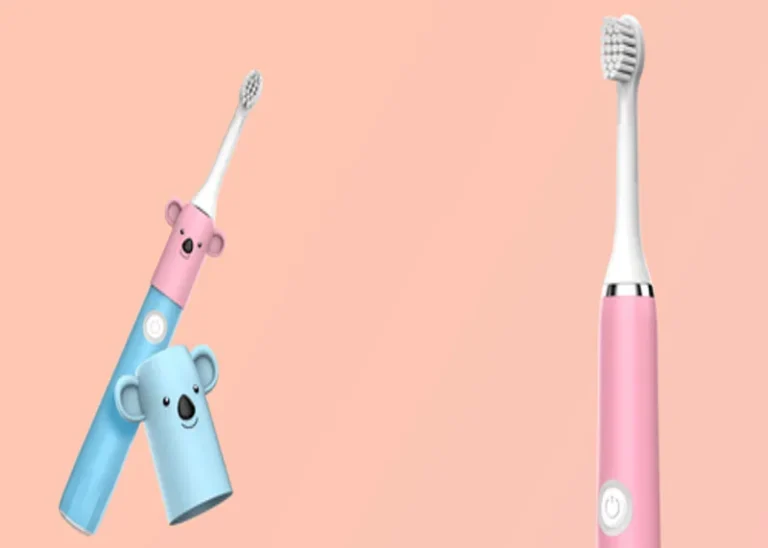
The working principles of electric toothbrush and its composition - the Aiwejay electric toothbrusher
每天早上起来刷牙是我们必须要做的事,所以牙刷我们生活中不可或缺的物品,每天用牙刷刷牙可以有效的清理我们自己牙齿上的臭气和
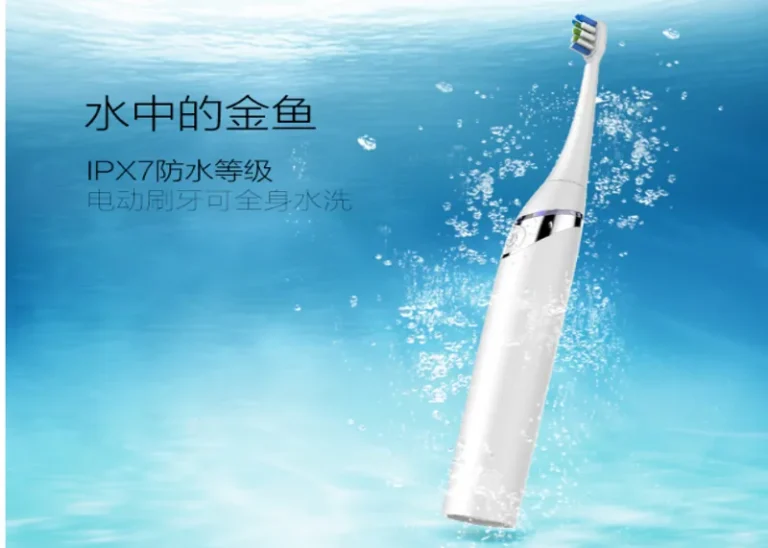
Aiwejay Electric Toothbrusher #8211; can electric toothbrush be waterproof?
多年以来电动牙刷已经走过了漫长的道路,现在电动牙刷使用声波技术,价格实惠,适合大多数人。牙齿可是身体最常用和最重要的部位
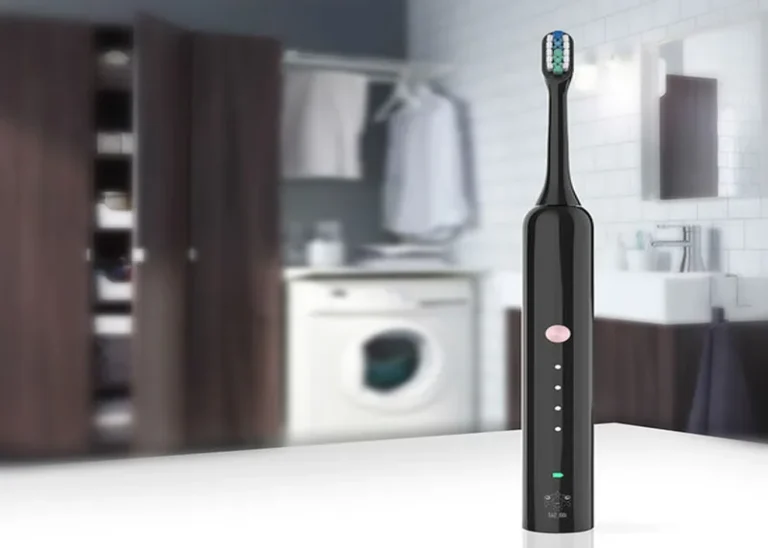
Characteristics of acoustic toothbrush - Aiwejay electric toothbrusher
电动牙刷厂家-伟杰智能为大家介绍一下声波电动牙刷都有哪些特点。声波电动牙刷具有UV刷头消毒剂,可有效刷牙。它由Sonic