Products
I. Origin of the tooth-washer:
The world’s first denture was born in the United States in 1962, an inventor of dentists and an engineer. So far, mouth-to-mouth utensils around the world have taken a seat, entering the market as a household requirement for oral cleaning. Source figures: 50, 51.
The solution is toothlines, which in the developed world are virtually equivalent to toothbrushes, but our teeth are usually thin, common teeth are not easily controlled, they are easily scratched and they are not used with any comfort.
So trust me, strong Ari, absolute fairy.
Watertooth LineAlso called the Tooth Transmutor, the principle by definition is to wash the surface of the teeth, especially the gaps in the teeth, using high pressure pulses to flush water, so that the teeth are cleaned more thoroughly.
II. The role of the tooth-washer:
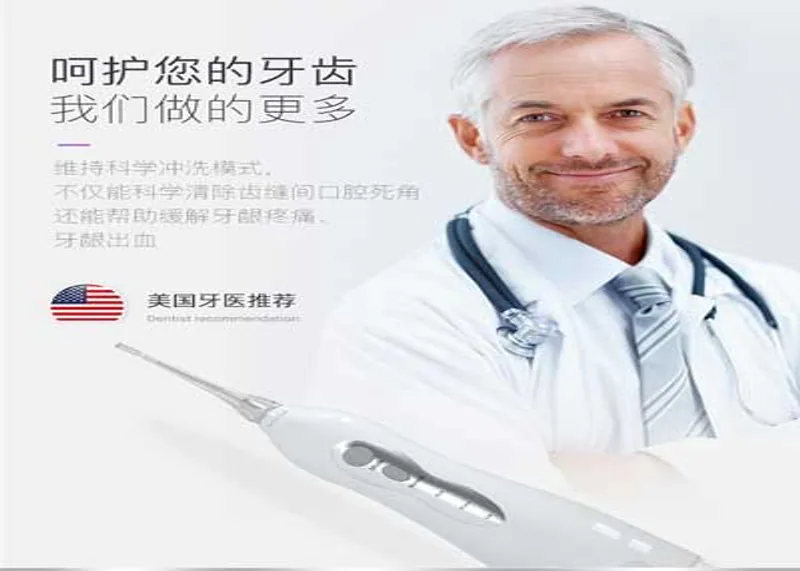
An electric toothwasher is a relatively new type of oral cleaning device, a tool to clean teeth and teeth by ejecting pulse-flow shocks under certain pressure.
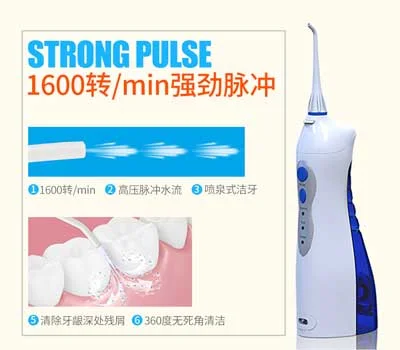
The tooth pump presses the water, generating 800 to 1600 ultra-floating piping poles per minute, and a sophisticated nozzles designed to flush the piping column to any part of the mouth without hindrance, including toothbrushes, teeth wires, and teeth stitches and jaws that are not easily enough to reach.
After eating, you can wash 1-3 minutes of the food debris from the teeth. The shock from the high pressure pulse flow of the tooth-washer is a soft irritation that not only does it not touch the cavity or any part of the face, but also the massage of the tooth, which feels comfortable.
To be fully protective, it is best to flush the teeth every time you finish eating, and then develop another “sweat” habit. Generally, a denture can be used with water, or can be supplemented by mouthwash or anti-inflammation pills, which can be reinforced in a targeted manner.
III. Vs dental floss, what’s the difference?
It must be admitted that so far there has been a debate in the dental community as to whether toothlines can be replaced by dentures.
Because bacteria in the teeth are often in the form of “teeths” and sticky on the surface of the teeth, relatively powerful mechanical frictions — such as strong frictions and scratches of the teeth — can be removed.
The vortex currents can wash away the vast majority of food residues in the dead ends of the teeth, but only partially damage and wash away some of the toothbrushes on the surface of the teeth.
Friends who believe that they have used a toothline must be troubled by the simple use of a tooth wire in the front, by the fact that the difficulty of using a tooth line in the back is rising straight, and at the end they are easily overlooked.
But the dentor has its own advantages:
It’s easy to use!
The same is the interdent cleaning tool, which can be automatically sprayed with thin, small-scale nozzles and beats the toothline on portability and ease of use.
If the toothlines remove the toothbrush from 90, it is only 60 and even less easy to use; whereas the toothbrusher is the opposite, it may have just passed 60, but it is more portable and easier to use 90.
– So, in terms of overall cleaning effects, the effect of a tooth-washer is more than that of a tooth-literate (* indeed, the results of many experiments are also true).
What should we pay attention to when buying, apart from taking prices into account?
1, Water Outlet: Continuous vs pulse
The vortex is discharged in a continuous and pulse mode.
The former is more expensive, and the food that comes out can be thrown out with the current;
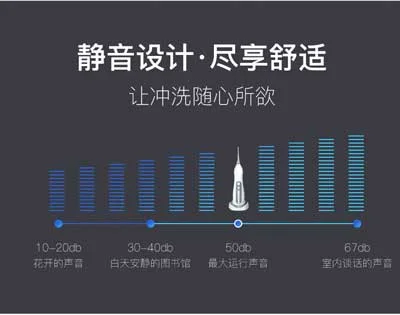
The latter may be used in a way that starts to shock, “twirl, twirl…” but the pulsed vortex is more efficient. (*It has one disadvantage, however – it is easy to spray water across the mirror with open mouths.)
2, with sputations similar to electric toothbrushes, is often also the case for a “shock force” choice of various sizes.
At the beginning of the week, since the direction of the shock was difficult to control, it was recommended that the choice of force should be gradual from an early age to a large scale, and that there was no particular discomfort until the largest slot was used.
3. Portable or household
If it is kept in the household for long periods or in multiple individuals (replacement of jets), a water tank with a larger capacity can be selected;
When carried out, products designed for water-free tanks (which are actually small reservoirs) may be selected.
However, in any event, it is not recommended that the water remain in the reservoir for long periods.
Because there is no doubt that bacteria (from long-term non-moveable water) can also be grown within the utensils pipeline, which poses health risks.
4. Multifunctional nozzles
Tooth-drunkerThe point of sale is easy to use, portable.
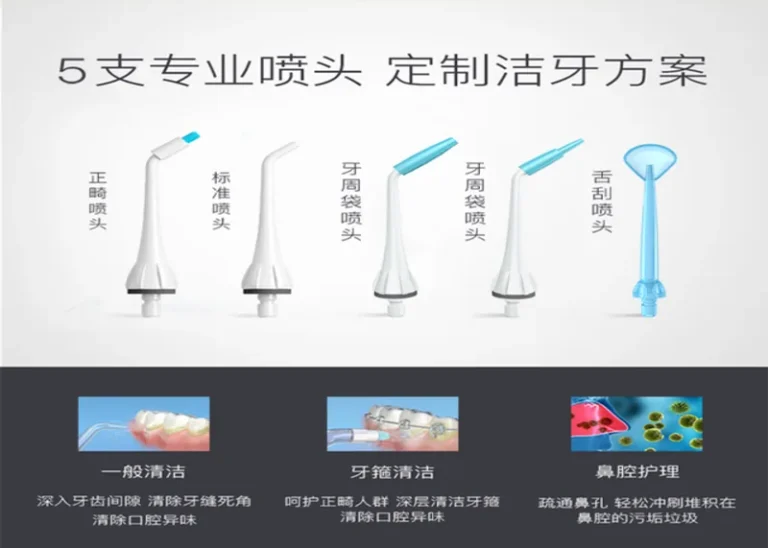
For people who are deformed, for those who grow teeth, for the elderly, etc., there will also be different types of jets to adapt to the complex oral environment of these groups and to the structure around their teeth, which will be more targeted and efficient.
Related Reading
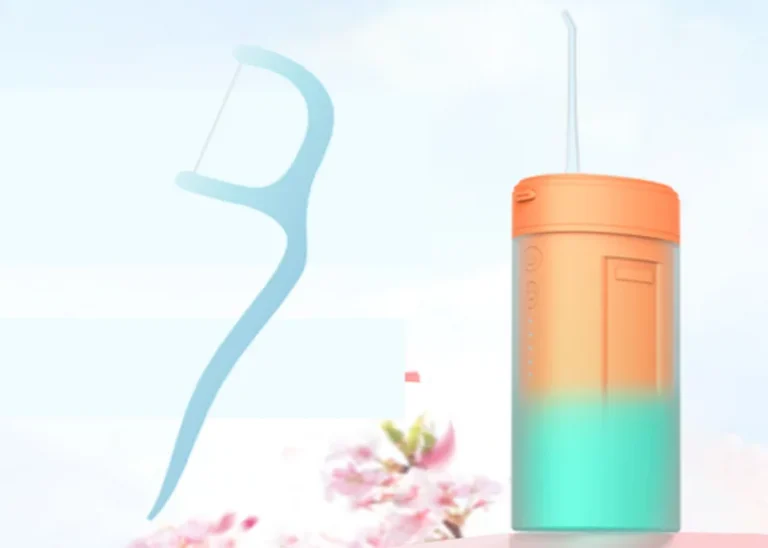
What difference does it make between a toothbrusher and a toothbrusher?
冲牙器跟牙线有什么区别,冲牙器有必要买吗?冲牙器有多个叫法,有人称之为水牙线、洗牙器、洁牙器等。正式进入我国市场不过20
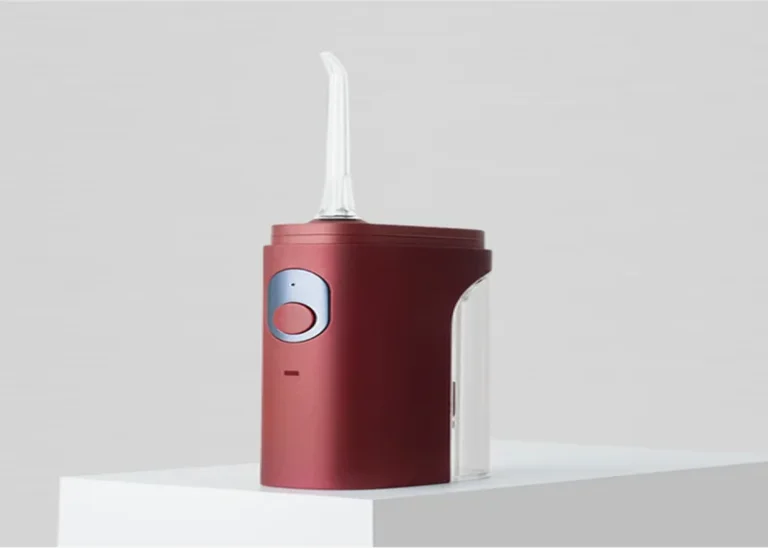
A strong-for-the-branch manufacturer - [Aiwejay]
冲牙器又称水牙线,是一种新颖的口腔清洁用具。随着电动牙刷的普及,冲牙器也越来越受到关注。目前生产冲牙器的厂家,主要是生产
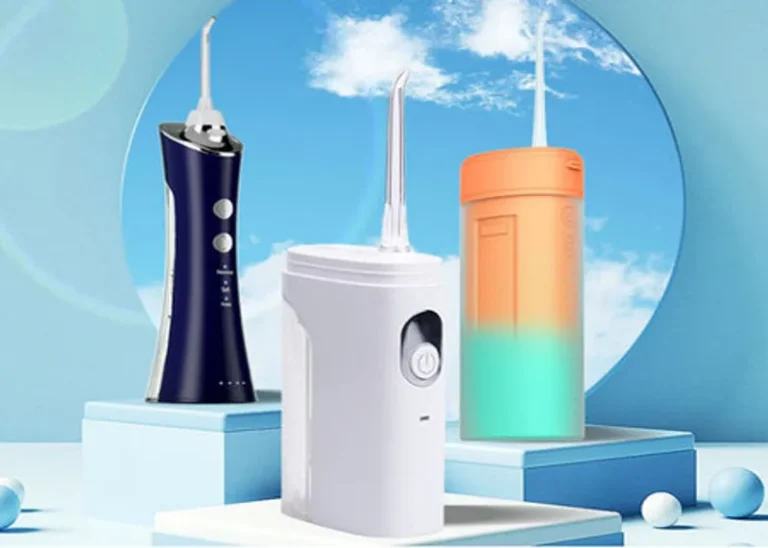
Before or after brushing? Frequency and time used by the denture.
使用冲牙器的最佳时间,早上还是晚上?冲牙器多长时间使用一次,冲牙器多长时间用一次合适,冲牙器在刷牙前还是刷牙后?冲牙器使
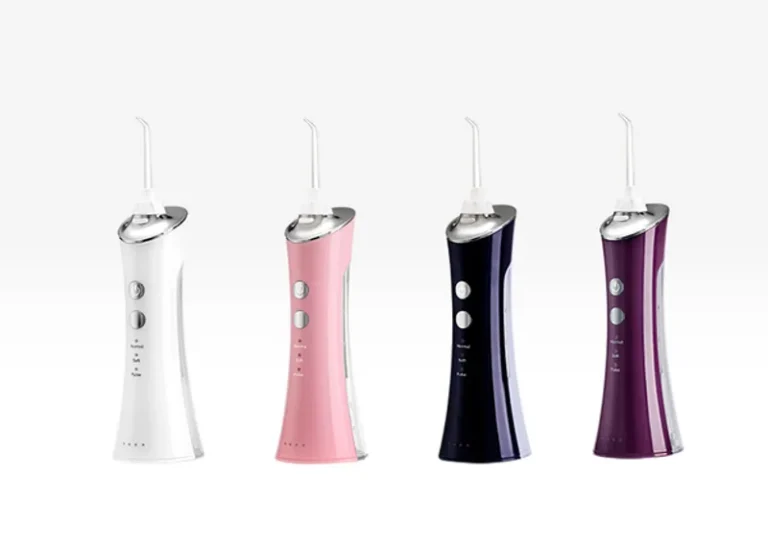
Paste-dipper for pro-processing: advantages and business opportunities
想要私人定制一款自有品牌的冲牙器,但很多冲牙器销售商都没有独立的生产设备以及生产能力,那么很多冲牙器销售商都会想到冲牙器
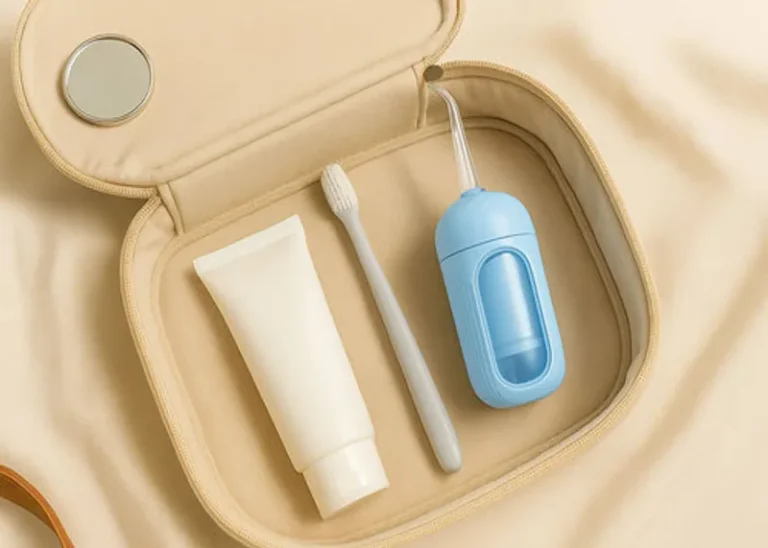
Travel washbags must be recommended with good things: real experience with small grafts and selection advice
你是不是也有过这种经历?明明是计划中的“轻装上阵”,结果一打开洗刷包,瓶瓶罐罐堆成小山,洗面奶、牙刷、润唇膏、化妆棉……