Products
The electric toothbrush is divided into two main genres.Sonic Electric ToothbrushAnd spin the electric toothbrush, which is about what's best and bad, so far there are no agreed conclusions: some brands like sound waves and others are loyal to the spin-firing toothbrush. Here's a little bit of an analysis of their strengths and weaknesses for your information.

I. Common acoustic waves and rotating electric toothbrush brands include:
Rotation (mechanical motor):The main brand is Ole B, etc.; the simple principle of a rotational toothbrush is that it is electrically driven by a circular brush, which is used to enhance friction while carrying out normal toothbrushing actions, with high noise in the rotational toothbrushes, clean face cleaning and relatively weak toothbrushing, but it is worn out and not recommended for long-term use.
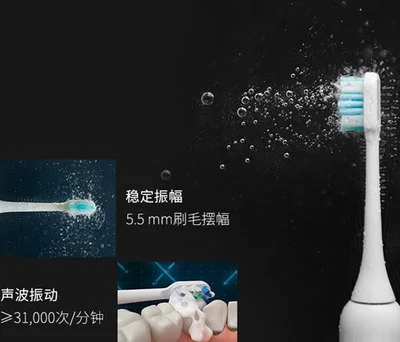
Vibration (sonic pomada):The typical representation is Philip, and there is an electric-driven vibrating machine inside a toothbrush of the type of vibration, such as millimetres and gendarles, which allows brushes to generate high-frequency swings vertically in the handle direction, but with very small swings, typically around 5 mm up and down, with the industry's largest swing being 6 mm. The brushing of teeth is carried out efficiently by high-frequency brushes, while more than 30,000 per minute vibrations produce large amounts of tiny bubbles of toothpaste and water blends in the mouth, and pressure from bubble bursting can reach deep into the teeth to clean up.
ii. Soundwaves and rotating electric toothbrushes, comparison of advantages and disadvantages
1 Cleaning capacity comparison: acoustic & lt; Rotation
Sound wave electric toothbrushThe brushes are long strips, usually in the amount of clean teeth around 2, which is similar to hand-held toothbrushes, while the rotating electric toothbrushes are round, and they are done by the rotation of the brushes around the thrusting axis when cleaning teeth. They can be clean with one of them, while also enhancing the friction of toothbrushes with the tooth, so the cleaning power is stronger than the acoustic electric toothbrush.
2. Price comparisons: acoustic & gt; Rotation
Acoustic electric toothbrushes do high-frequency concussions while brushing their teeth, while driving the current to wash them. The principle is more complex, whereas a rotational electric toothbrushes typically do mechanical turns, i.e. rubbing on the surface of the teeth, which is simpler, so that at price, the spin-firing toothbrush is cheaper than the sound-bought toothbrush.
3 Tooth protection contrast: acoustic & lt; Rotation
Rotating electric toothbrush works very simply, as it does high-speed friction on the teeth like a brush, which can easily cause bleeding in the teeth, while acoustic electric toothbrush removes toothbrushes from the teeth surface by 31,000 high-frequency vibrations. This way of brushing teeth is less irritating to the toothbrush and therefore less harmful to the toothbrush than a spinal toothbrush.
4. Comfortable comparison: acoustic & gt; Rotation
From a comfort point of view, the vibrating sense is greater when a rotating electric tooth brush brushes its teeth, while the acoustic electric toothbrush works more softly, and there is less haemorrhage in the toothbrush than in the rotation. Moreover, there is much noise when a rotating electric toothbrush brushes its teeth, which is relatively quieter, so that the acoustic toothbrush is more comfortable than a spin.
iii. The principles of sound waves and rotating electric toothbrushes:
1. The principles of rotating electric toothbrushes
The electric toothbrush, which is mainly driven by the electrical work inside the toothbrush, can enhance the friction effect of the toothbrush on the teeth while carrying out normal toothbrush actions, with up to 15,000 selections per minute, a method that is easier to wash into hidden teeth than manual brushes.
2. The principles of acoustic electric toothbrushes
The principle of acoustic electric toothbrush: it is the energy of acoustic waves that generate high-frequency vibrations (31000 times/minute) which transmits to brush head, which causes a HF wave of brushing vertically in the direction of the brush and creates a hollow effect around the Tooth Week tissue, which breaks toothpaste into millions of microfoams, flushes toothbrushes, crushes unformed toothbrushing stones.
Love: A little tip.
Acoustic electric toothbrushes and rotating electric toothbrushes.Chiaki, we're all good.
When you buy a tooth, you make a choice. If your teeth are sensitive, or you have dental problems, or you mind the noise from your toothbrush, then you better choose.Sound wave electric toothbrushAnd if you think the acoustic electric toothbrush is too expensive, then you can also choose the rotational electric toothbrush.
Related Reading

Electric Toothbrush Purchasing Guide
我们在接待客户时,品牌商和工厂采购电动牙刷,经常遇到的一些问题。有时候难以一下子说清楚,这里我整理一下指南,以供行业参考
Choosing an Electric Toothbrush in 2021
进入2021年,很多人已经逐渐采用电动牙刷刷牙的方式。市场上的国产电动牙刷种类多,质量不一,选对电动牙刷很重要,那么如何
Helping Everyone Brush Correctly
我们希望电动牙刷进入到千家万户,让每个人都学会使用电动牙刷刷牙,让每个人都免受牙齿问题口腔问题的疼痛。
Detailed rounding rate for electric toothbrush: national standard regulation and selection guide
了解电动牙刷磨圆率的重要性及国家标准GB 39669-2020的规定,探索伟杰智能的电动牙刷,确保每次刷牙都温和有效,保
The difference between electric toothbrush and ordinary toothbrush is five main aspects.
电动牙刷和传统牙刷有哪些区别呢?电动牙刷对比手动牙刷有哪些优势?到底谁强谁弱,咱们从以下五方面来看看吧!一、电动牙刷和普