Products
As oral health awareness rises, more and more people are looking at the choice of dental cleaning tools. The electric toothbrush is popular because of its high-efficiency cleanliness, but many still wonder whether the electric toothbrush can be effective in cleaning the rear of the teeth. This paper will be used to analyse this issue in conjunction with experts and provide practical techniques to help you better maintain your oral health.
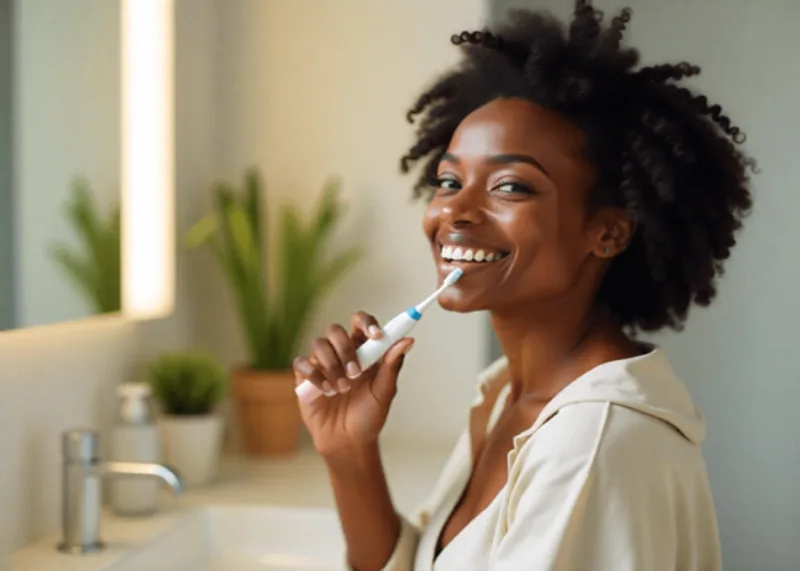
The advantages of electric toothbrushes: Why can they be effectively clean?
The electric toothbrush is able to quickly remove toothbrush spots and food residues from the teeth surface through high-frequency vibrations or rotations. It is more efficient to clean up the electric toothbrush than the manual toothbrush, especially in hard-to-reach areas such as cleaning behind the teeth.
1. HF vibrations: The vibration frequency of an electric toothbrush is usually thousands or even tens of thousands per minute, able to reach the edges of the teeth and teeth and remove stubborn stains.
2. Smart Stress PerceptionsMany high-end electric toothbrushes are equipped with stress induction to avoid damage to teeth due to excessive force.
3. Time function: Electric toothbrush normally incorporates 2-minute timer to ensure that each brush is adequately timed and covers all dental areas.
It's hard to clean up behind the teeth.
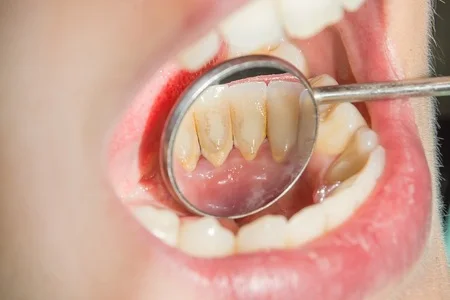
The rear of the teeth is one of the areas most easily neglected in mouth cleaning. Owing to its hidden position, hand-held toothbrushes are often difficult to clean completely, leading to a build-up of toothbrushes, which in turn causes problems such as cavity and dental inflammation.
1. The sight is limited.The rear of the teeth is deep in the mouth, it is difficult for the naked eye to observe directly and it is easy to leave out when cleaning.
2. The brushing angle is restricted.The brushing angle of the hand-held toothbrush is fixed and it is difficult to match the radians behind the teeth.
3. Inadequate cleaning.: When brushing teeth manually, it is difficult to reconcile strength and frequency, which can easily lead to incomplete cleaning.
The expert analyses how electric toothbrushes clean the rear of the teeth.
In response to the problem of cleaning behind teeth, several dental health experts noted that electric toothbrushes have significant advantages in:
1. More compatible headbrush design
The brushes of electric toothbrushes are usually designed with a small, round head, which is better suited to the radians behind the teeth and deep in cleaning the dead corners.
2. HF vibration deep in teeth stitches
The high-frequency vibration of an electric toothbrush can produce microflows, deep into the edges of the teeth and teeth, and remove hidden toothbrush spots.
3. Smart model assistive cleaning
Some electric toothbrushes are equipped with specialized clean-up models, such as the “Torthic Care Model” or the “Deep Cleaning Model”, which allow for focused clean-up of areas such as behind teeth.
4. Expert recommendations: selection of suitable brushes
The experts suggested that the size and hardness of a brush should be taken into account when selecting it. A smaller brush is better suited to clean the rear of the teeth, while a soft brush better protects the toothbrush.
Usage technique: How to clean the rear of a tooth with an electric toothbrush?
In order to optimize the clean-up effect of electric toothbrushes, the following are practical techniques for use:
1. Correct holding of electric toothbrushes
The electric toothbrush is directed at the line of the tooth with an angle of 45, and the pressure is pressed gently so that the brush can reach the edge of the toothbrush and behind the teeth.
2. Sub-cleaning
Splits the mouth into four areas: top left, bottom left, top right, bottom right. Each area is 30 seconds clean, ensuring that the rear of the teeth is fully cleaned.
3. Use of paping technique
Bass Technique is used to brush the brush against the toothbrush and cleans the surface and rear of the teeth by small vibrations.
4. Periodic change of brushes
The brushing would have an impact on the clean-up effect and it is recommended that each 3 month be replaced with a brush or that it be replaced in a timely manner, depending on usage.
5. Complementing toothlines orTooth-drunker
While electric toothbrushes can effectively clean the rear of teeth, they need to be accompanied by dental wires or grazers to remove residues from the teeth.
Common Question Answer
1. Are electric toothbrushes suitable for use by all?
Yes, electric toothbrushes are suitable for use by most people, especially those whose teeth are poorly organized or who are sensitive to the tooth.
2. Does an electric toothbrush damage a toothbrush?
The electric toothbrush does not damage the toothbrush if it is used correctly.
3. How can you choose an electric toothbrush that suits you?
Individual needs-based choices, for example, for dental sensibilities, can be made with an electric toothbrush with a “sensitive pattern”, while deep cleaners can choose high-frequency vibration payments.
Summary
If you still have questions about the choice or use of an electric toothbrush, you can consult a professional dentist and obtain personalized expert analysis and advice.
I hope this paper will help you to better understand the advantages of electric toothbrush cleaning and practical cleaning techniques to improve your oral health!
5 Common Issues (FAQ)
1. Question: Is an electric toothbrush effective in cleaning the rear of the teeth?
Answer: Yes, electric toothbrushes, which are able to go deep into the dead corner behind their teeth and remove toothbrushes and food residues, are more significant than manual toothbrushes.
2. Question: How does the headbrush design of an electric toothbrush help clean the rear of the tooth?
Answer: The brushes of electric toothbrush are usually designed with a small, round head, which is better suited to the radians behind the teeth, and deep into hard-to-reach areas to ensure that they are cleaner and more thorough.
3. Question: What needs to be noted when using electric toothbrushes to clean the rear of teeth?
Answer: When using an electric toothbrush to clean the rear of the tooth, you should point at a 45-degree angle to the toothbrush line, gently press pressure, clean the four areas of the mouth and use the Pap brush method to ensure that each area is fully cleaned.
4. Question: Does an electric toothbrush damage a toothbrush?
Answer: The electric toothbrush does not damage the toothbrush if it is used correctly. Choosing soft hair brushes and avoiding excessive force can effectively protect the toothbrush’s health. Many high-end electric toothbrushes are also equipped with stress induction to prevent over-exercising.
5. Question: How to choose an electric toothbrush suitable for cleaning the rear of teeth?
Answer: SelectElectric ToothbrushesSmall brushes are better suited to clean the rear of teeth, while soft brushes better protect the back of teeth. In addition, electric toothbrushes with a “tooth care” or “deep cleaning” model can be chosen to focus on cleaning behind teeth.
Related Reading

Electric Toothbrush Purchasing Guide
我们在接待客户时,品牌商和工厂采购电动牙刷,经常遇到的一些问题。有时候难以一下子说清楚,这里我整理一下指南,以供行业参考
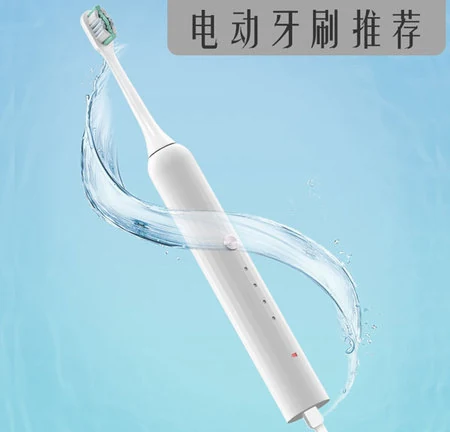
Choosing an Electric Toothbrush in 2021
进入2021年,很多人已经逐渐采用电动牙刷刷牙的方式。市场上的国产电动牙刷种类多,质量不一,选对电动牙刷很重要,那么如何
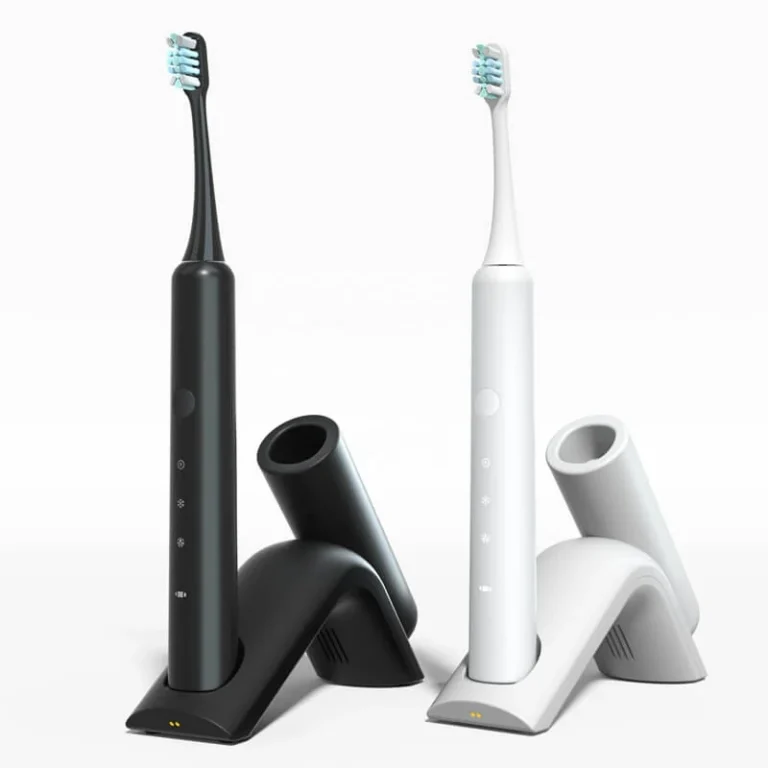
Helping Everyone Brush Correctly
我们希望电动牙刷进入到千家万户,让每个人都学会使用电动牙刷刷牙,让每个人都免受牙齿问题口腔问题的疼痛。
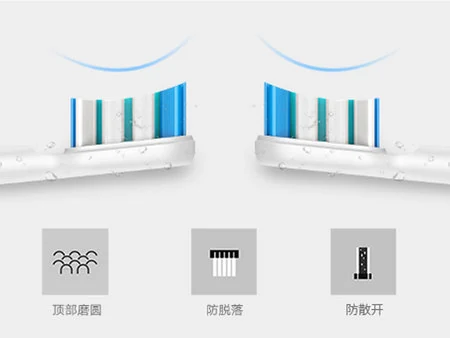
Detailed rounding rate for electric toothbrush: national standard regulation and selection guide
了解电动牙刷磨圆率的重要性及国家标准GB 39669-2020的规定,探索伟杰智能的电动牙刷,确保每次刷牙都温和有效,保
The difference between electric toothbrush and ordinary toothbrush is five main aspects.
电动牙刷和传统牙刷有哪些区别呢?电动牙刷对比手动牙刷有哪些优势?到底谁强谁弱,咱们从以下五方面来看看吧!一、电动牙刷和普