Products
In modern dental care, electric toothbrushes are widely welcomed because of their high-efficiency cleanness. However, the safety and suitability of using an electric toothbrush is still a subject of concern for people with sensitive teeth.
I. What's dental sensitivity?
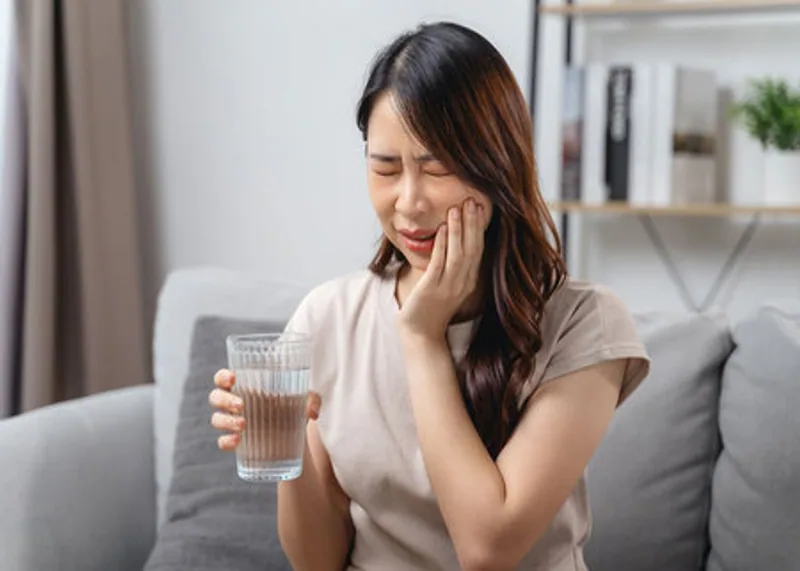
Teeth sensitive.
Teeth sensitivity, also known as “sensitive teeth”, refers to the occurrence of discomfort or pain in teeth when exposed to irritating foods such as cold heat, sour sweets. This is usually caused by wear and tearing of teeth, contracting of teeth or other oral diseases. According to studies, about 30 to 40% of the population experience different degrees of dental sensitivity.
1. Causes of dental sensitivity
Tooth abrasion wear.(b) The prolonged use of inappropriate brushing methods or the use of hard brushes can lead to gradual wear and tear of the tooth acne, thereby causing internal neuroexposure.
Tooths retreat.As age increases or as oral care is inappropriate, the tooth can shrink, leading to root exposure and increased sensitivity.
Teethys and other oral diseases: Diseases such as tooth decay, Circumfitis can also cause dental sensitivity.
II. Effects of electric toothbrushes on sensitive teeth
1. Advantages of electric toothbrushes
An electric toothbrush is more clean than a hand-held toothbrush, which can effectively remove bacterial spots and food residues from the mouth. For patients with mild or moderate sensitivity, an electric toothbrush helps to improve oral hygiene and thereby mitigate sensitive symptoms.
Cleaning efficiency: The vibration and rotation of electric toothbrushes allows for deeper cleaning of hard-to-reach areas, such as teeth stitches and ditches.
Reduction of inappropriate force for manual operations: The electric toothbrush provides a stable rate of vibration and avoids excessive pressure on users to brush their teeth manually, thereby reducing the irritation to sensitive areas.
2. Use of vigilance
Despite the advantages of electric toothbrushes, caution is still required in their use for highly sensitive patients:
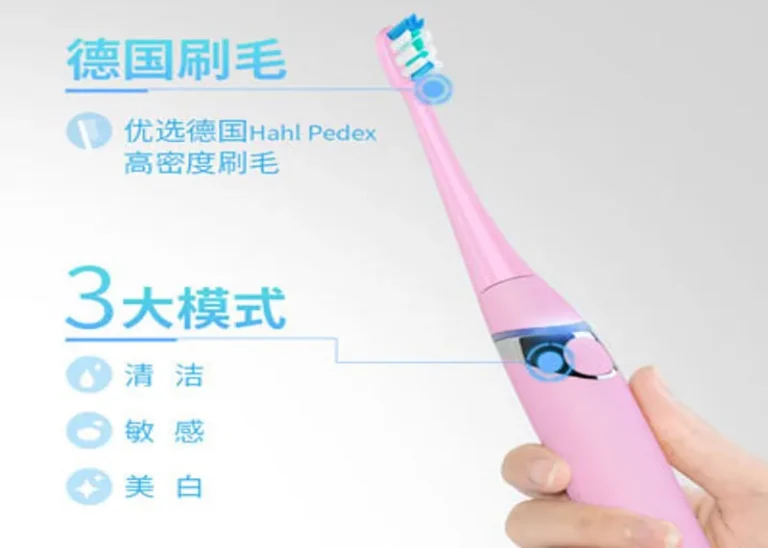
Select the appropriate modeMany electric toothbrushes provide many clean models, such as mild ones, suitable for use by sensitive populations.
Control of use strength: Excessive pressure on electric toothbrushes should be avoided in order to avoid further discomfort.
Change brushes regularly: Aging or wearing brushes may cause harm in sensitive areas and should be periodically replaced.
III. Populations fit for electric toothbrushes
1. Light to medium sensitive population
An electric toothbrush is an ideal option for people who are slightly to moderately sensitive. Such patients may suffer from a slight discomfort while eating cold and hot food, but they are not seriously affected in their daily lives.
2. Severely sensitive populations
If the symptoms are severe, such as mild exposure, it is recommended that treatment should be preferred to the direct use of electric toothbrushes.
IV. How to select an appropriate electric toothbrush
The selection of suitable electric toothbrushes is essential to protect sensitive mouths.
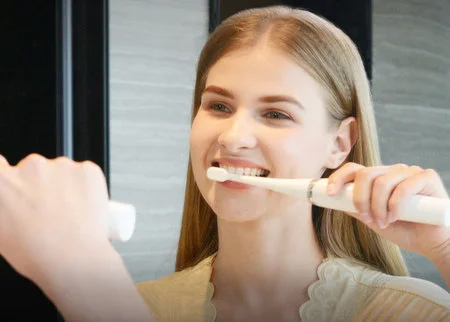
Use of acoustic electric toothbrush
1. Select acoustic vibration
Acoustic vibrating electric toothbrushes are more mild and friendly to sensitive patients than they are to rotate. Sound-wave technologies can provide effective cleaning while reducing the irritation of oral tissue.
2. Multi-slotting design
The selection of electric toothbrushes with multiple cleaning models and sputee regulation functions can be adjusted to individual needs in order to achieve optimal cleanness without harming the mouth.
3. Scrubber material
High-quality soft brushes can be effective in reducing incentives to sensitive areas, and it is therefore recommended that soft hair-type electric toothbrushes be chosen.
4. Knowledge of branding and evaluation
Pre-purchase can be based on other users’ evaluations and recommendations, avoiding the purchase of poor quality products.
V. Common error areas in the use of electric toothbrushes
There may be errors in the use of electric toothbrushes, which can lead to adverse effects on oral health:
1. Blind pursuit of high frequency
The higher the frequency of earthquakes, many believe, the better the clean-up effect. Indeed, the frequency is not the only factor affecting the clean-up effect, but it can cause harm to sensitive areas.
2. Neglect of periodic replacement of brushes
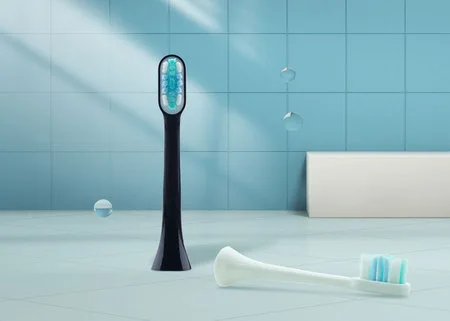
Regular change of brushes is good for cleaning.
Many users, when purchasing electric toothbrushes, ignore the importance of regularly changing their head. Aging or worn brushes not only cannot be effectively cleaned, but can also lead to bacterial breeding, with negative effects on oral health.
VI. Importance of electric toothbrushes for oral health
Maintaining good oral hygiene is essential, both for ordinary people and for sensitive populations. Research shows that about 96 per cent of Chinese have different levels of oral health problems, while traditional manual cleaning tools often fail to meet modern-day needs for oral hygiene.
Conclusions
In conclusion, the use of electric toothbrushes is safe and useful for people who are slightly to moderately sensitive. However, for those who are seriously sensitive, care must be taken and medical professionals consulted.
We're professional.Electric toothbrush ODMBusiness - Aiwejay Technology. We work to develop electric toothbrushes that are of high quality, high performance and appropriate to the needs of all people, providing each user with a good oral care experience.
Related Reading:
Tooth-sensitive people should use a soft-brushed electric toothbrush.
如何为牙齿敏感的用户设计,更优质的电动牙刷
电动牙刷与牙齿敏感:益处与注意事项
伟杰智能科技:定制电动牙刷满足敏感牙齿需求
Aiwejay developed, pressure-borne electric toothbrushes that are effective in reducing dental sensitivity
Related Reading

Electric Toothbrush Purchasing Guide
我们在接待客户时,品牌商和工厂采购电动牙刷,经常遇到的一些问题。有时候难以一下子说清楚,这里我整理一下指南,以供行业参考
Choosing an Electric Toothbrush in 2021
进入2021年,很多人已经逐渐采用电动牙刷刷牙的方式。市场上的国产电动牙刷种类多,质量不一,选对电动牙刷很重要,那么如何
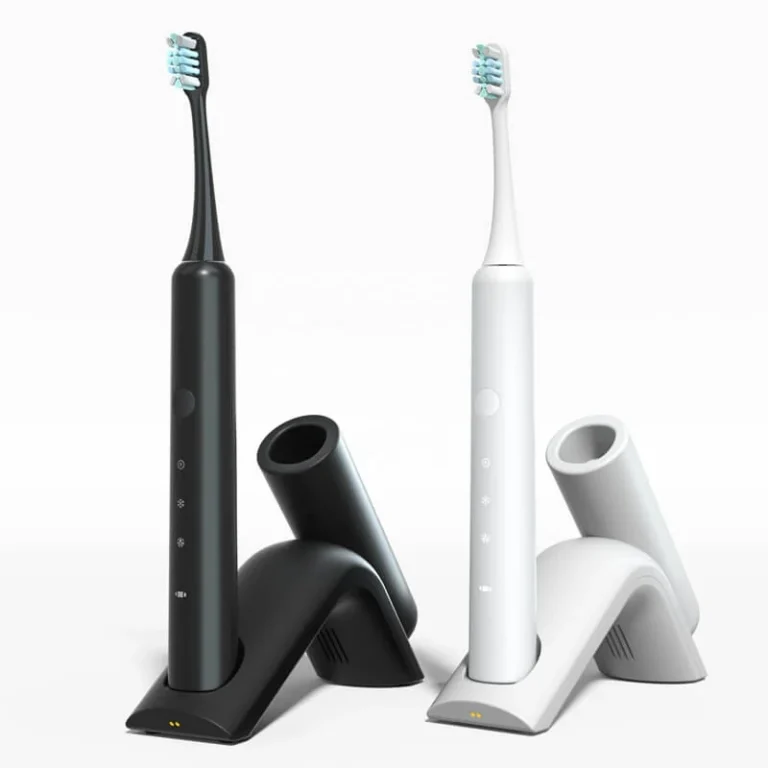
Helping Everyone Brush Correctly
我们希望电动牙刷进入到千家万户,让每个人都学会使用电动牙刷刷牙,让每个人都免受牙齿问题口腔问题的疼痛。
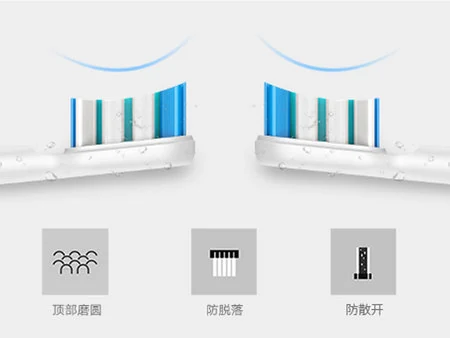
Detailed rounding rate for electric toothbrush: national standard regulation and selection guide
了解电动牙刷磨圆率的重要性及国家标准GB 39669-2020的规定,探索伟杰智能的电动牙刷,确保每次刷牙都温和有效,保
The difference between electric toothbrush and ordinary toothbrush is five main aspects.
电动牙刷和传统牙刷有哪些区别呢?电动牙刷对比手动牙刷有哪些优势?到底谁强谁弱,咱们从以下五方面来看看吧!一、电动牙刷和普