Products
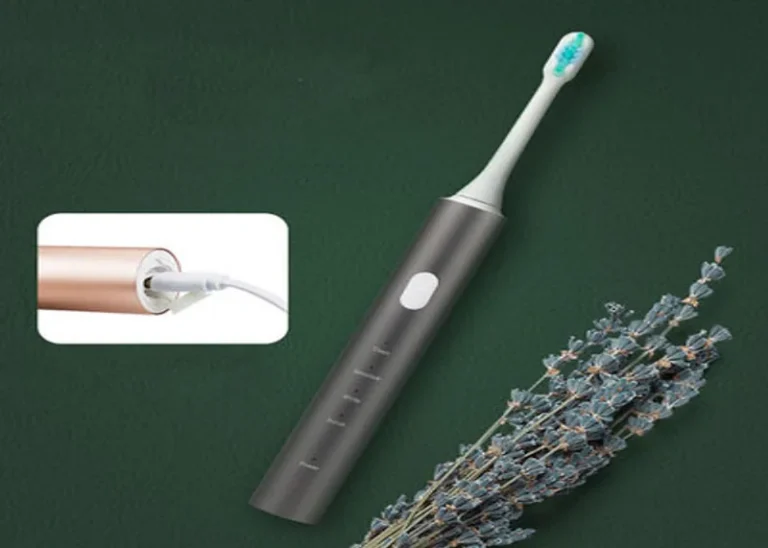
Increased prevalence of oral diseases has facilitated the marketing of oral care products, including electric toothbrushes;
As the demand for oral care products increases, these oral care products help to reduce the most common oral health conditions, such as tooth aroma, and the demand for electric toothbrushes will increase in the coming years. According to the Centers for Disease Prevention and Control, on average more than 50% of people aged 30 years and over suffer from dental care problems, thus favouring products such as electric toothbrushes to provide better oral care.
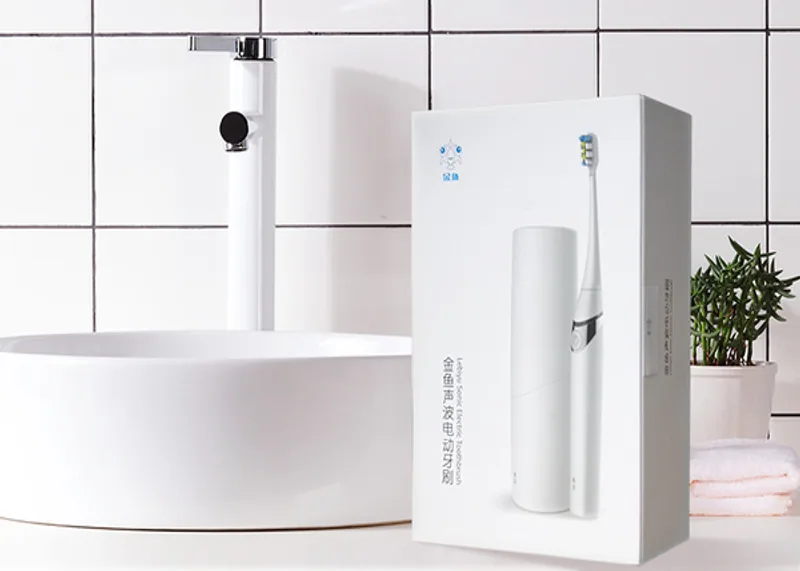
(b) The excellent functional attributes continue to position electric toothbrushes better than manual variants;
The electric toothbrush is widely available for a short time because of its benefits.The electric toothbrusher.An electric toothbrush product is designed with excellent technology and efficiency to eliminate more toothbrush spots. For example, manual brushes can be used 300 to 400 flush trips per minute, while electric toothbrushes usually rotate between 7,000 and 31,000 times per minute.
Trends in the market for smart electric toothbrushes;
Some other functions of electric toothbrush, such as pressure sensor technology, head replacement alerts, and real-time data transmission of smart equipment, are also considered important factors driving global market sales. The electric toothbrush is equipped with intelligent technologies, such as blue teeth or data transfer techniques, which collect data from users’ toothbrush habits and are one of the most popular products in the electric toothbrush market.
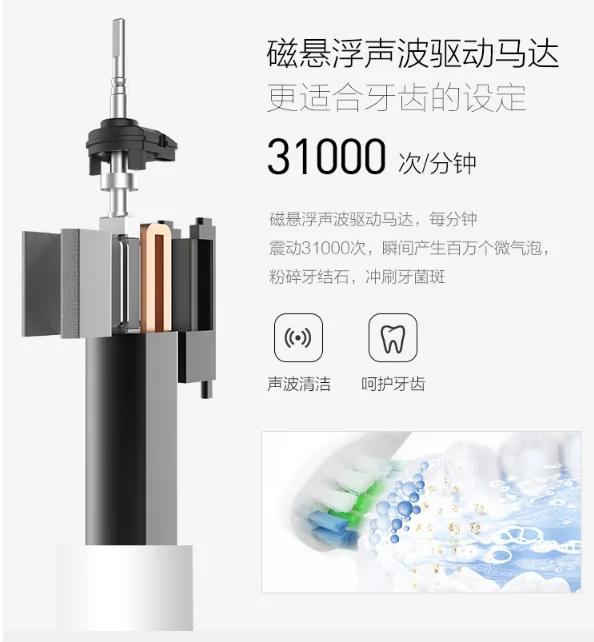
In addition, electric toothbrushes have a reversible head and alert users to changing them if needed, another trend characteristic that favours the demand for electric toothbrushes, especially among smart consumers. The brushing of electric toothbrushes is softer than manual toothbrushes.
According to a recent survey, children tend to prefer electric toothbrushes rather than manual variants.The electric toothbrusher.Attention is also being paid to the development of smart technologies, and cost competitiveness will remain a powerful differential strategy.
Related Reading

Electric Toothbrush Purchasing Guide
我们在接待客户时,品牌商和工厂采购电动牙刷,经常遇到的一些问题。有时候难以一下子说清楚,这里我整理一下指南,以供行业参考
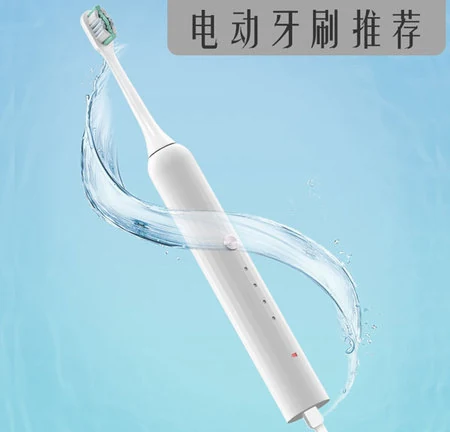
Choosing an Electric Toothbrush in 2021
进入2021年,很多人已经逐渐采用电动牙刷刷牙的方式。市场上的国产电动牙刷种类多,质量不一,选对电动牙刷很重要,那么如何
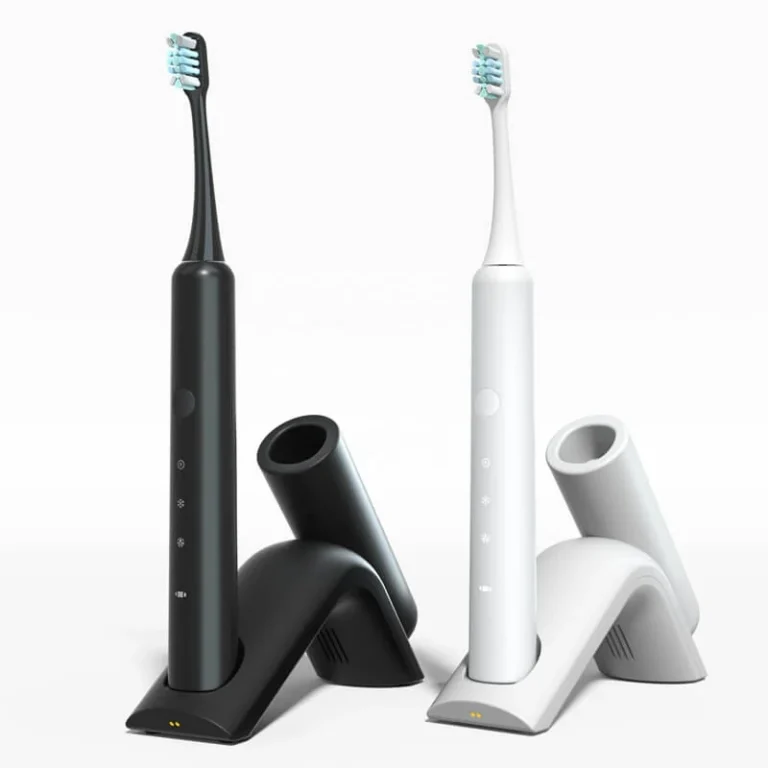
Helping Everyone Brush Correctly
我们希望电动牙刷进入到千家万户,让每个人都学会使用电动牙刷刷牙,让每个人都免受牙齿问题口腔问题的疼痛。
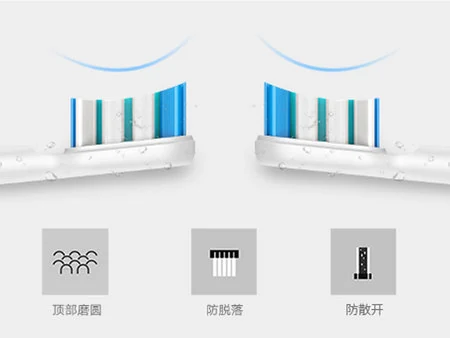
Detailed rounding rate for electric toothbrush: national standard regulation and selection guide
了解电动牙刷磨圆率的重要性及国家标准GB 39669-2020的规定,探索伟杰智能的电动牙刷,确保每次刷牙都温和有效,保
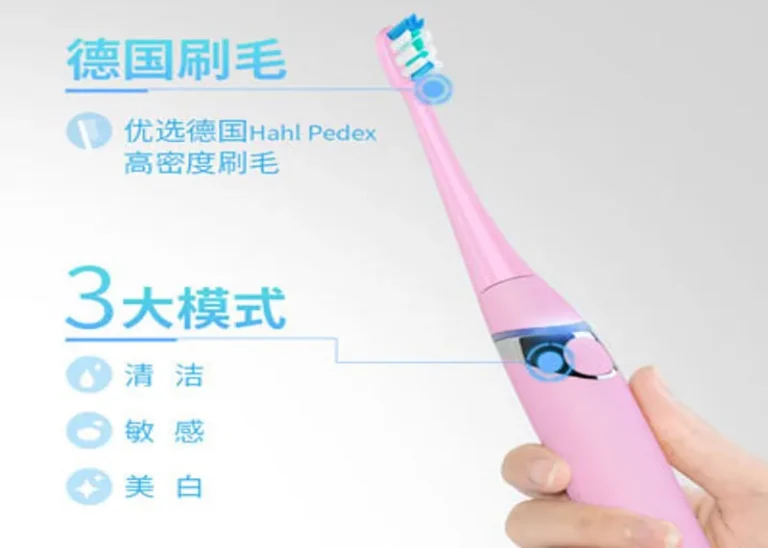
The difference between electric toothbrush and ordinary toothbrush is five main aspects.
电动牙刷和传统牙刷有哪些区别呢?电动牙刷对比手动牙刷有哪些优势?到底谁强谁弱,咱们从以下五方面来看看吧!一、电动牙刷和普