Products
Introduction
With increasing attention to oral health, electric toothbrushes have become a highly recommended cleaning tool. It not only enhances the cleanness but also provides users with a more intelligent and convenient experience of brushing their teeth. However, this high-tech product is not perfect.
The advantages of electric toothbrushes for teeth.
1. Effective removal of toothbrush
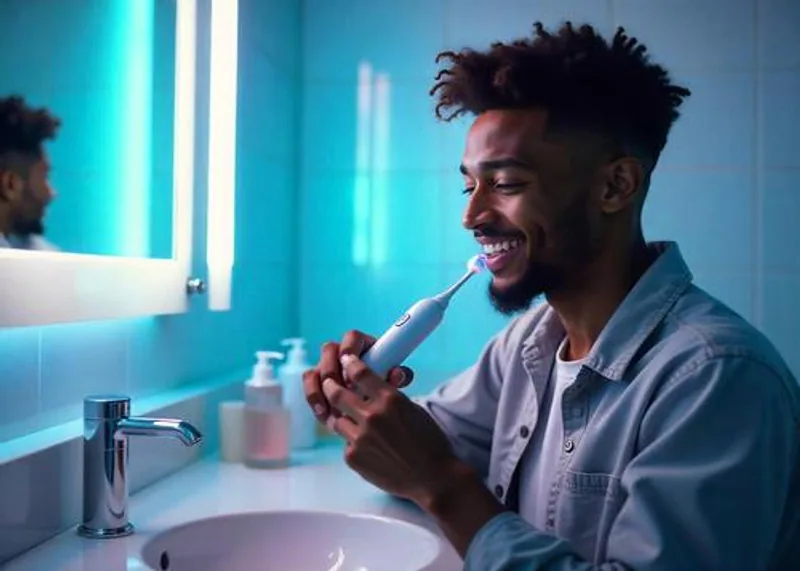
The electric toothbrush, with its high-frequency vibration or rotation function, can more effectively remove toothbrush spots, especially in the vicinity of the toothbrush line and in the gaps in the teeth, which are left to be ignored by hand. The accumulation of toothbrushes not only leads to color change, but may also cause toothbrushitis and carving. Thus, the use of electric toothbrushes can significantly reduce the risk of these problems.
2. Improving toothbrushing
Manual toothbrushing requires that users have the right way to brush their teeth, while electric toothbrushes automatically complete the clean process through vibrations and rotational actions, reducing dependence on technology. Especially with support from multiple models of toothbrushing (e.g. sensitive models, deep cleaning models), users can adjust their cleanness effects to individual needs. For example, deep-cleaning models are suitable for people with more toothbrush spots, while sensitive models help people with more dental sensitivity to experience more comfortable brushing.
3. Improving the convenience of brushing teeth
The electric toothbrush is equipped with an intelligent timer, which reminds users of the best time to brush their teeth. Most electric toothbrushes suggest 30 seconds per area, ensuring that each tooth is fully cleaned. In addition, some high-end electric toothbrushes have stress induction functions that alert users when they overstretched, preventing damage to their teeth by overtly pushing. This design greatly improves the ease and safety of brushing teeth.
4. Better suited to special populations
The electric toothbrush is particularly suitable for people with lower hand-to-hand flexibility, such as children, the elderly or patients with arthritis. Traditional toothbrushes require users to perform their own brushing, while electric toothbrushes help to clean themselves by means of automatic vibrations or rotations, reducing operational difficulties.
5. Reduction in tooth color
Many people have problems with their teeth coloring because they smoke or drink tea, coffee, and the high-frequency vibration of electric toothbrushes can effectively remove these surface stains. It is more efficient to clean and less damaging to the teeth’ surface than a manual toothbrush. Long-term use can keep their teeth white and improve overall oral health.
The potential harm of electric toothbrushes on teeth.
1. Improper use may cause dental damage
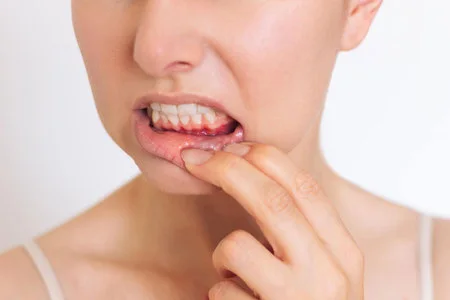
Although the electric toothbrush is designed to be pressure-sensitive, many users may not have the right strength at the time of its use. If the brush is too hard or wrong, vibration and rotation brushes can stimulate the toothbrush, or even cause the toothbrush to recede. The toothbrush will expose its roots and make it sensitive. Therefore, when using the electric toothbrush, it is recommended that the toothbrush be held gently, so that the brush is self-cleaning, rather than pressing.
2. Long-term reliance on techniques that may ignore toothbrushing
While electric toothbrushes simplify the process of brushing, some users may have ignored the importance of toothbrushing techniques. For example, the correct way to brush teeth involves tilting head-to-heads at 45 degrees to the line and moving slowly one by one. However, full reliance on electric toothbrushes may result in areas not being properly cleaned up.
3. Possible over-stimulation of sensitive teeth
For example, users who have just completed dental white therapy or whose teeth are sensitive may feel sour when using normal models. To avoid this, it is recommended to choose an electric toothbrush with a “sensitive model” or consult dentists to obtain professional advice.
4. Need to replace brushes on a regular basis
An electric toothbrush is usually replaced every three months at a relatively high cost. If the brush is worn badly but not replaced in time, the clean-up effect will be significantly reduced and may even lead to wear and tear on the teeth’ surfaces. In addition, unreplaced brushes can breed bacteria and pose a threat to oral health.
How to better use electric toothbrushes
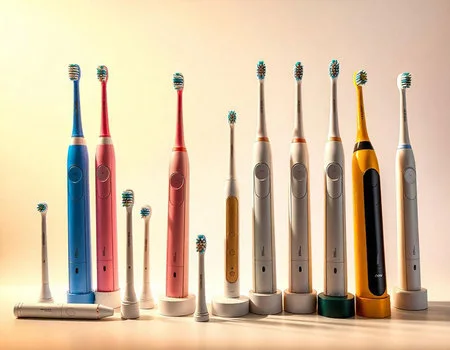
1. Select the appropriate model
There are many types of electric toothbrushes in the market, ranging from entry levels to high-end smarts. The choice of suitable functions based on individual needs, such as stress sensors, timers or models, can improve the performance of toothbrushing and avoid unnecessary loss of functionality.
2. Correct use of methods
When brushing your teeth, place the electric toothbrush head at the intersection of the tooth and the tooth line for a few seconds in each area to ensure that it is cleaned to all the teeth.
3. Periodic maintenance and replacement
Ensuring that brushes are clean and regularly replaced is key to maintaining the performance of electric toothbrushes. In addition, the battery life of electric toothbrushes also requires attention to avoid long periods of non-chargement after power has run out, so as not to affect the useful life of the equipment.
Conclusions
The benefits of electric toothbrushes are mixed with the disadvantages of teeth. It is excellent in improving clean efficiency, protecting dental health, and ease of use, but it can cause problems as a result of inappropriate use.
As a professional.Electric toothbrush ODMBusiness,Aiwejay TechnologyFocusing on providing high-quality electric toothbrush customization services to customers. Our products are rigorously tested, balancing performance with comfort, and are a reliable choice for dental care.
Related Reading

Electric Toothbrush Purchasing Guide
我们在接待客户时,品牌商和工厂采购电动牙刷,经常遇到的一些问题。有时候难以一下子说清楚,这里我整理一下指南,以供行业参考
Choosing an Electric Toothbrush in 2021
进入2021年,很多人已经逐渐采用电动牙刷刷牙的方式。市场上的国产电动牙刷种类多,质量不一,选对电动牙刷很重要,那么如何
Helping Everyone Brush Correctly
我们希望电动牙刷进入到千家万户,让每个人都学会使用电动牙刷刷牙,让每个人都免受牙齿问题口腔问题的疼痛。
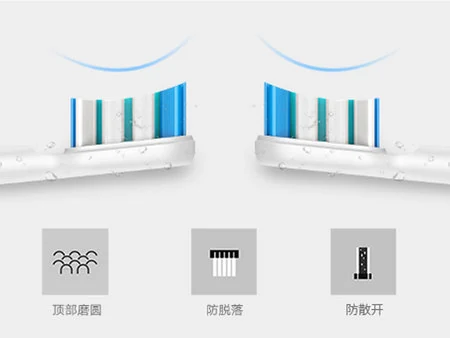
Detailed rounding rate for electric toothbrush: national standard regulation and selection guide
了解电动牙刷磨圆率的重要性及国家标准GB 39669-2020的规定,探索伟杰智能的电动牙刷,确保每次刷牙都温和有效,保
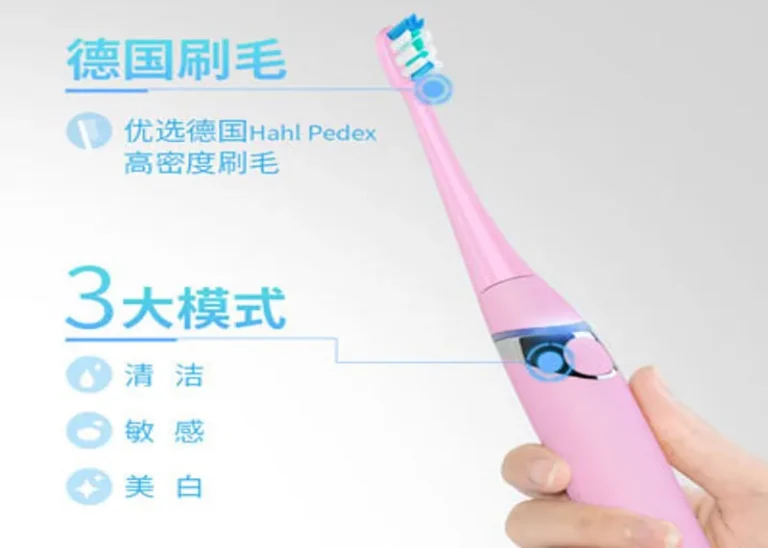
The difference between electric toothbrush and ordinary toothbrush is five main aspects.
电动牙刷和传统牙刷有哪些区别呢?电动牙刷对比手动牙刷有哪些优势?到底谁强谁弱,咱们从以下五方面来看看吧!一、电动牙刷和普